Moving to Sacramento: A Local’s Guide from First-Hand Experience

Back in 2017, my husband and I packed everything we owned into a moving truck and drove from San Diego to Sacramento. While I am originally from the SF Bay Area, we had been living with my in-laws in San Diego to save up money for a home downpayment. The truth behind our move was simple, practical, and incredibly common for young couples in California. We desperately wanted to plant roots and buy our first home. We had looked at options all around the San Diego area, but a house was just out of reach for us.
It wasn’t until my husband stumbled across a real-estate article which highlighted Sacramento as one of the most affordable big cities in California. When he started looking through the listings of available houses, it was a happy surprise that we actually could afford a real house with a proper backyard for the dog. Sacramento turned out to be a place where we could actually afford a mortgage without sacrificing our entire quality of life.


Our New City of Sacramento
Before moving to Sacramento, I could count on one hand the number of times I had visited. It was mostly during my Chico State college days, when we would day trip to go shopping at Arden Mall (the Chico mall at the time was so tiny with no “cool brands”).
I don’t think my husband had ever really seen Sacramento before, so it was very new to him. Our days of house hunting with the real estate agent was his first chance to see the different neighborhoods and areas of the city.
After we made the commitment, purchased our home and moved in, it was time to play tourist in our new city. As it turned out, there was so much to explore! We had really underestimated all that Sacramento has to offer, and we quickly felt like we had made the right choice. From the moment we moved here, there has never been any doubt or hesitation to call Sacramento our home city.


The Affordability Shock: Sacramento vs. SF and LA
When you tell people you are moving to Sacramento from Southern California, you get a lot of polite, slightly confused nods. Coastal Californians often view anything inland as a possibly less desirable place to live. What they miss is the sheer financial liberation that comes with Sacramento real estate prices (at least back in 2017), combined with a surprisingly modern and elevated lifestyle.
Our first home in Sacramento only cost us $240,000! It came with 4 bedrooms, 2 baths, over 2000 square feet and plus an acre of land! It was no doubt a “fixer upper” home, with kitchen and bathroom renovations needed. The neighborhood was North Sacramento, which is not a prestigious zip code, but it was good enough for us at the time.
Now full disclosure, if we bought that same house today, we would be most likely spending closer to $500,000. But even still, compared to other areas of California, it’s still a much more affordable price.

Sacramento Weather and Four Seasons
One of my favorite things about living in Sacramento is that we have all four seasons. This is truly unique in California, because many areas really only experience two major annual shifts in the weather.
Springtime in Sacramento is very green and full of blossoms everywhere, autumn gives us colorful fall foliage and winter is when the holiday season and crisp cold weather takes over. But, the summer, is very hot! If you are coming from a coastal town with mild summer weather, be prepared for the intense heat which reaches over 100 degrees often.
The silver lining to the sometimes grueling hot summers is the local summertime culture of outdoor recreation and swimming in the many lakes surrounding the area. Our swimming hole and lake guides get thousands of visitors every May, June, July and August.
Sacramento Has the Best Central Location in Northern California
One of the best kept secrets about Sacramento is how centrally located we are to so many desirable areas. Taking daytrips from Sacramento is definitely a thing around here, and the options are plenty. You can drive to the beach at Bodega Bay, to the Napa Valley, to San Francisco, Lake Tahoe and so many places, and then still be home for dinner that night. For a weekend trip, you can spend the night in Yosemite or Monterey without too much of a drive. We also have access to a major international airport SMF for those who love to travel.
See our guide – Over 30 Family Day Trips From Sacramento: All Within a 2 Hour or Less Drive!


Raising Kids in Sacramento
We closed escrow on our first home in Sacramento in the month of August, and by September we found out that we were expecting our baby girl! Owning a home was a big part of our plan to grow our family, with plenty of space for all the things that come with babies. We had been previously squeezed into the spare bedroom at my mother-in-law’s house, which meant little room for a crib, diaper station, etc. It finally felt like we had the right time and place to have a baby.
Sacramento is an incredibly family-friendly place to raise kids. There’s so many parks with nature and open spaces, libraries with children’s programs, childcare options, good schools (more on this to come), and an overall sense of community. In stark contrast to a city like San Francisco which is not very kid-friendly at all, Sacramento feels like a perfect place to raise kids.
The School District Conundrum in Sacramento
I grew up in the small town of Half Moon Bay, and we basically had one elementary school, one middle school and one high school. There was no big choices on where your kids would attend school, which was fine for the most part because all the schools were safe and ranked fairly well.
Coming into Sacramento as a new parent looking for good school choices, it was a very different story than my experience growing up. I shared above that our first house in Sacramento was a bargain deal, but there’s one point I didn’t mention. Our house in North Sacramento was also unfortunately assigned to some of the worst schools in the district. As our daughter was growing up and approaching her entry into kindergarten, we had to come up with a plan to get her into a better school than our neighborhood assigned elementary school.
Our Move to East Sacramento Simply for the School District
We ultimately decided to move into another home which came with a better school district. We did our research on the best public schools, and narrowed down the areas of Sacramento where we could move. We settled on a search to any of the following neighborhoods: Land Park, East Sacramento, Midtown, Tahoe Park, Elmhurst, Fair Oaks and River Park.
The cost of houses in these areas was significantly higher than the cost of our first house. We had to enlist the help of family to have enough budget to make an offer. In the midst of the chaos of Covid in the year 2020 (and I was also 9 months pregnant with baby #2 at this point), we closed escrow on our house in East Sacramento. Our current home comes with a top rated elementary school assigned to it… but here’s the kicker… we ended up going with a charter school!
Public Schools vs. Charter Schools in Sacramento
Before moving to Sacramento, I had no knowledge at all about what a charter school entailed. All I knew was public and private schools, and as it turns out, charter is a bit in-between. When you look at the school ranking lists in Sacramento, you’ll see that charter schools are often the highest ranked in quality of education provided. Often even more than the best public schools. So how do you get your kid into one of these schools? Keep reading.
Charter schools do not charge a tuition fee like a private school, they are funded through the state like a public school. The interesting part is that anyone who lives within the Sacramento county school district can attend any charter school, but they have to get in first. Charter school students are selected by lottery, sometimes after an initial screening test. My daughter had to undergo a screening exam to be able to qualify for the kindergarten lottery list for her charter school. But a few years later, the state required the school to drop the kindergarten screening (for discriminatory practices), so my son didn’t have to take the test to qualify for kindergarten lottery.
As far as I can tell, charter schools tend to run their school in some ways similar to a private school. For example, the kids are required to wear a uniform, which I don’t think a public school can enforce. The academic focus seems to be on STEM, college prep and GATE programs. Their focus seems to be very much on higher learning, which means a lot of homework and they expect a lot of parental involvement.
The Verdict – Do I recommend you enroll your child in a Sacramento charter school?
Yes. If you can get into a charter by luck of the lottery, I suggest you go for it. The system is definitely built to set a foundation of success for their students. That being said, there’s many public schools that are also excellent options for kids too. The most important thing to note is do your research before you buy your house, and know for sure what your options are. Have charter be Plan A, and have an excellent Plan B for your assigned school.
*Note: Sacramento school district lines can be tricky, meaning that you can live in a great neighborhood, but be assigned to a not-so-great school. Double and triple check your assigned schools on multiple resources before moving!


The Best Sacramento Neighborhoods to Buy a House
Finding the perfect place to plant roots in Sacramento means understanding the distinct personalities of the city’s distinct neighborhoods. All the areas listed below are by far the most coveted zip codes in Sacramento.
East Sacramento
If you picture wide streets shaded by massive sycamore trees and meticulously preserved 1920s architecture, you are picturing East Sacramento. This is one of the most stable, coveted, and high-value pockets in the city limits.
The Vibe: Old money, active, and deeply community-oriented. Neighbors walk their dogs to local coffee shops and gather at McKinley Park, a 32-acre green space featuring a stunning public rose garden, tennis courts, and a duck pond.
The Housing Stock: You will find everything from cozy Tudor cottages and Craftsman bungalows to the sprawling, multi-million dollar estates of the legendary “Fabulous Forties” section.
The Drawback: Real estate is very expensive in East Sac. Homes sell quickly, and you will often have to compromise on square footage or navigate historic preservation guidelines if you want to remodel.
Midtown
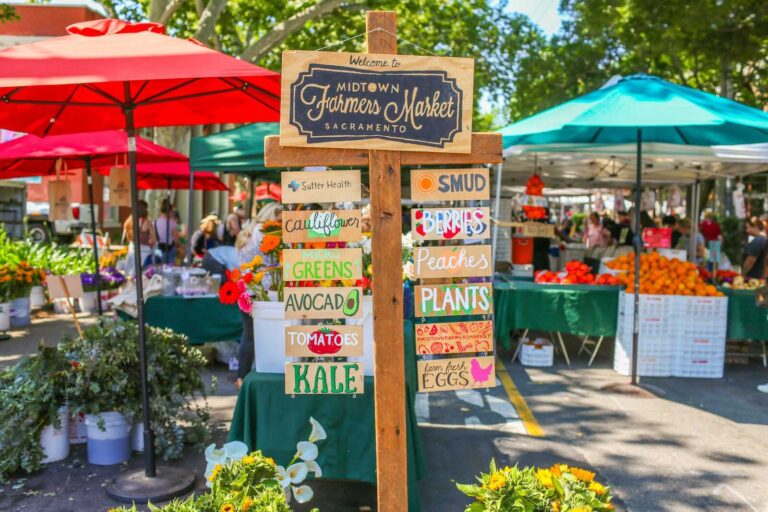
If your ideal Saturday morning involves walking to an expansive farmers market and your ideal Friday night is spent on a lively, string-lit restaurant patio, Midtown is your neighborhood. Situated directly east of the downtown business district, Midtown is the cultural beating heart of Sacramento.
The Vibe: High-energy, artistic, and incredibly bike-friendly. Midtown is where Sacramento’s farm-to-fork culinary scene thrives, mixed with indie boutiques, art galleries, and a highly active nightlife. The streets are laid out on a highly navigable flat grid under a canopy of old-growth trees, making it a haven for those who prefer to leave their car in the garage.
The Housing Stock: Midtown features the city’s most eclectic mix of residential real estate. You will find historic, multi-story Victorian and Queen Anne homes painted in bold pastel colors sitting right next to early 20th-century brick apartment buildings, Craftsman bungalows, and sleek, ultra-modern three-story infill townhomes.
The Drawback: Living in the center of the action means dealing with urban realities. Parking can be difficult on weekends, street noise is a constant, homeless, and properties rarely come with large yards. You will also pay a premium for location, with home prices frequently ranging from $480,000 for compact spaces up to $850,000 or more for larger, restored historic properties.
Land Park
Land Park is a neighborhood defined by its park-centric lifestyle and architectural elegance. Unlike the strict grid layout of downtown, Land Park features curved streets and deep lots.
The Vibe: Peaceful, established, and family-oriented. The neighborhood centers around William Land Park, which houses the Sacramento Zoo, Fairytale Town, a nine-hole golf course, and acres of picnic areas.
The Housing Stock: Stately Spanish Revivals, Tudor homes, and mid-century ranches. Many homes sit on generous lots, giving buyers more yard space than is typically found in East Sac.
The Drawback: Inventory is incredibly tight. Families move here and stay for decades, keeping home prices high and bidding wars frequent.
Tahoe Park
Tahoe Park is best described as the accessible starter home sweet spot. For buyers who want city-proper living without the price tag of Land Park or East Sac, Tahoe Park offers the perfect balance of affordability and investment potential.
The Vibe: Casual, youthful, and unpretentious. It is highly popular with first-time homebuyers, young professionals, and healthcare staff working at the nearby UC Davis Medical Center.
The Housing Stock: Mostly modest, post-WWII cottages and bungalows. While the homes are smaller, many feature decent-sized backyards ready for custom landscaping or accessory dwelling units (ADUs).
The Drawback: Streets can be a bit more transitional (still going through gentrification) compared to East Sac or Land Park. However, the active neighborhood association and rapid influx of renovations make this a strong play for those looking into the future.
Pocket-Greenhaven
If you want to escape the urban hustle-bustle while staying within Sacramento city limits, head south to the Pocket. Tucked into a literal loop of the Sacramento River, this highly quiet, suburban-feeling neighborhood is exceptionally safe and stable.
The Vibe: Relaxed, safe, and community-focused. It is a favorite for retirees and families who prioritize morning walks along the river over proximity to nightlife.
The Housing Stock: Dominantly 1970s through 1990s custom and tract-style single-family homes. You can find spacious floor plans, multi-car garages, and even some custom riverfront properties.
The Drawback: It lacks the historic charm of the older neighborhoods and does not have a walkable commercial downtown main drag. You will be driving to get to most dining and retail destinations.
River Park
Tucked away just north of H Street and bordered by a sweeping bend in the American River, River Park is one of the most unique residential layouts in Sacramento proper. Because it is bounded by the river on three sides and a historic railroad line on the fourth, there is absolutely no through-traffic. It has only two main entrance roads, which keeps the entire neighborhood incredibly quiet and safe.
The Vibe: Exceptionally tight-knit, nostalgic, and outdoorsy. It feels like a small midwestern town frozen in time, complete with neighborhood fourth of July bike parades, a highly active little league, and families walking down to the river for evening strolls.
The Housing Stock: Dominated by single-story mid-century ranch homes and bungalows built in the late 1940s and 1950s. Many of these homes feature original hardwood floors and sit on comfortable, mature lots.
The Drawback: Because there are only two ways in and out of the neighborhood, traffic can bottleneck slightly on H Street during peak commute times or when Sacramento State University has major events. There is also very little commercial activity within the neighborhood itself, meaning you will have to drive or bike just outside its borders for grocery shopping.
Elmhurst
Tucked just south of East Sacramento and immediately east of the UC Davis Medical Center, Elmhurst is one of the city’s best-kept secrets. This historic neighborhood was established around 1908.
True story, my husband and I lost a bidding war on a house we loved in Elmhurst. It still hurts to this day that we didn’t get the house!
The Vibe: Relaxed, neighborly, and highly pedestrian-friendly. The centerpiece of Elmhurst is T Street, a beautiful parkway divided by a wide grassy median and shaded by a canopy of majestic, century-old elm, oak, and ash trees. It is common to see medical professionals walking to shift changes at UC Davis alongside families pushing strollers.
The Housing Stock: Elmhurst is known for its high-quality historic architecture, featuring beautifully maintained 1920s bungalows, English cottages and Tudor revivals.
The Drawback: Living right next to a major medical center means you will occasionally hear sirens or helicopter traffic heading to the UC Davis emergency department and trauma center.
North Oak Park
Oak Park is an area that is changing quickly with gentrification, but can still be a bit rough around the edges in some areas. North Oak Park is considered the “best area” of Oak Park, and some houses are incorporated into good school distrcits.
The Vibe: Hip, diverse, and highly entrepreneurial. The neighborhood centers around the Broadway main drag, which is packed with indie bookstores, coffee shops, craft breweries, and trendy boutiques. It has a distinctly urban, creative energy that appeals to young professionals, artists and young families. Think a California version of Brooklyn.
The Housing Stock: North Oak Park features a unique blend of old and new. You will find charming, turn-of-the-century Craftsman bungalows and Victorian-era homes sitting directly alongside modern, newly constructed townhomes and architectural loft spaces.
The Drawback: Because of its rapid development and gentrification over the past decade, property values have climbed quickly, creating a stark contrast with some of the surrounding blocks. Crime rates and foot traffic can vary from street to street, making it important to walk the specific block you are considering at different times of the day.


The Greater Sacramento Area – From Folsom, Elk Grove to Roseville
While the old historic neighborhoods of Sacramento proper hold a Lady Bird kind of appeal, many local homebuyers look just outside the city borders. The Greater Sacramento Area is home to some of the most sought-after suburban communities in Northern California.
If you are looking for top-rated public schools, super modern amenities, or larger lot sizes, focusing your search on the three major suburban powerhouses of Folsom, Elk Grove, and Roseville is a natural next step.
Here is what you need to know about house hunting in Sacramento’s most popular surrounding suburbs.
Folsom
Located about 20 miles northeast of downtown Sacramento along Highway 50, Folsom is a dream destination for outdoor enthusiasts and families alike. It is bordered by Folsom Lake and Lake Natoma, offering immediate access to kayaking, paddleboarding, and miles of paved cycling trails.
The Housing Market: Folsom is the most expensive of the three major suburbs, with a median home price hovering around $680,000 to $700,000. You will find established 1990s neighborhoods with mature trees, as well as sprawling new master-planned developments like Russell Ranch south of Highway 50.
The School Situation: The Folsom Cordova Unified School District is highly rated, consistently serving as a primary driver for families moving to the area.
The Buying Reality: Homes here are highly competitive and hold their value exceptionally well. Buyers should be prepared for Mello-Roos fees (special local tax districts common in California) in the newer southern developments.
Elk Grove
Heading south of the city along Highway 99 or Interstate 5 brings you to Elk Grove. Once a quiet farming community, it has grown into a thriving, highly diverse city of its own. It is widely known for its exceptional youth sports programs, massive parks, and community safety.
The Housing Market: Elk Grove offers a slightly lower barrier to entry than Folsom or Roseville, with a median price point closer to $550,000 to $630,000. The west side (Laguna West and Stonelake) offers established lake-oriented communities, while the east and south sides feature massive new-construction communities.
The School Situation: The Elk Grove Unified School District is the largest in the region and is highly regarded for both its academic and athletic programs.
The Buying Reality: If you commute to downtown Sacramento, the drive on Highway 99 can be congested during rush hour. However, the value per square foot you get here is tough to beat in the metro area.
Roseville
Situated in Placer County along the Interstate 80 corridor, Roseville is a masterclass in suburban planning. It is a major economic engine for the region, anchored by the Westfield Galleria mall, massive medical campuses, and its own municipal utility company (Roseville Electric), which keeps electricity bills significantly lower than areas served by PG&E.
The Housing Market: The median home price in Roseville sits around $620,000. The west side of the city (including Westpark and Fiddyment Farm) is a hotspot for brand-new home construction, while East Roseville offers larger, custom-built homes on mature, oak-shaded lots.
The School Situation: Roseville is home to some of the highest-performing school districts in the state, including the Roseville Joint Union High School District.
The Buying Reality: Roseville is highly popular with Bay Area transplants due to its clean infrastructure, low crime rates, and relative affordability. Because of the rapid expansion on the west side, buyers should pay close attention to the infrastructure fees and Mello-Roos taxes attached to newer homes.

What Does the Job Market Look Like in Sacramento?
Sacramento has one of the most stable job markets in California thanks to its diverse mix of government, healthcare, education, technology, and agriculture. Unlike cities that rely heavily on a single industry, Sacramento benefits from several major employers that continue hiring year-round, giving job seekers opportunities across many career paths.
The State of California is by far the region’s largest employer, with more than 145,000 local employees working in departments headquartered around the State Capitol. These positions range from entry-level administrative roles to careers in finance, environmental science, information technology, engineering, public policy, and law.
Healthcare is another major driver of employment. UC Davis Health is one of Northern California’s largest healthcare systems, employing thousands of physicians, nurses, researchers, technicians, and administrative professionals while also supporting a large medical research community. Other major healthcare employers include Sutter Health, Kaiser Permanente, and Dignity Health, creating steady demand for both clinical and non-clinical workers.
Education also plays a significant role in the regional economy. UC Davis, Sacramento State, Los Rios Community College District, and local K-12 school districts regularly hire educators, researchers, IT professionals, and support staff. Beyond these traditional industries, Sacramento continues to see growth in technology, clean energy, construction, logistics, manufacturing, and professional services.
Companies in nearby Rancho Cordova, Folsom, Roseville, and Elk Grove have expanded opportunities in software development, aerospace, cybersecurity, and advanced manufacturing. Whether you’re starting your career or looking for a fresh opportunity, Sacramento offers a well-rounded job market with strong long-term employment prospects.
What Salary Do You Need to Live Comfortably in Sacramento?
The good news is that Sacramento remains more affordable than many other major California cities, including San Francisco, San Jose, and Los Angeles. Residents often enjoy a lower cost of living while still benefiting from competitive salaries in government, healthcare, education, and technology, making the region an attractive place to build both a career and a comfortable lifestyle.
A single adult can generally cover basic living expenses with an annual income of around $60,000, while living comfortably often requires closer to $75,000 to $100,000 per year. Families typically need a household income well into the six figures to comfortably afford housing, childcare, healthcare, and other everyday expenses.

Popular Things To Do in Sacramento
There are plenty of things to do in Sacramento whether you’re a longtime resident or new to the city. Locals love spending weekends exploring Old Sacramento Waterfront, where Gold Rush-era buildings, museums, riverfront views, and historic attractions bring California’s early history to life.
Art lovers often visit the Crocker Art Museum, one of the oldest art museums in the West, while families enjoy walking or biking along the American River Parkway. Throughout the year, residents also take advantage of farmers markets, farm-to-fork restaurants, festivals, and live entertainment that showcase Sacramento’s vibrant culture.
With its rich Gold Rush history, outdoor recreation, and growing food scene, Sacramento offers something to enjoy in every season.
Resources for Families Moving to Sacramento
Moving to a new city is a big undertaking, and you’ll need the best professionals to help you.
Find Reliable Sacramento Movers
Hiring experienced Sacramento movers can make moving day far less stressful. Look for companies with strong customer reviews, transparent pricing, and experience handling local and long-distance moves.
Work with a Local Sacramento Real Estate Agent
A knowledgeable Sacramento real estate agent can help you compare neighborhoods, understand the local housing market, and find a home that fits your family’s needs and budget. Their local expertise can save you both time and money during your move.
Consider a Sacramento Storage Unit
If you’re downsizing, waiting to close on a home, or simply need extra space during your move, renting a Sacramento storage unit can be a smart solution. Storage facilities throughout the Sacramento area offer flexible month-to-month rentals, climate-controlled units, and secure access to help keep your belongings safe until you’re ready to move into your new home.
In Conclusion – Did We Convince You to Move Here? 🙂
Moving to a new city is a big adventure, and Sacramento has so much to offer once you get settled. From welcoming neighborhoods and excellent job opportunities to beautiful parks, incredible local restaurants, and easy access to Northern California’s best destinations, it’s a place that’s easy to call home.
I hope this guide helps make your move a little smoother and answers some of the questions you may have along the way. We truly love living in Sacramento, and I hope you’ll come to love your new city just as much as we do. Welcome to California’s Capital, and enjoy everything Sacramento has to offer!