Fort Sutter Museum: A Local’s Family Guide to Visiting Sacramento’s Historic Fort
If you are looking for one of the best historic attractions in Sacramento, Fort Sutter Museum deserves a spot on your itinerary. Whether you are a local family planning a weekend outing, a visitor exploring California’s capital, or someone interested in Gold Rush history, this landmark offers an experience that is both educational and surprisingly fun.
Walking through the reconstructed fort, watching blacksmith demonstrations, peeking inside historic rooms, and imagining what life looked like nearly 200 years ago made history feel real for both adults and children.
Our family recently visited Fort Sutter Museum during Sacramento’s annual Free Museum Weekend, which allowed us to explore the museum completely free of charge. We were also lucky enough to also visit the California Automotive Museum for free as well!
If you are planning your own visit to Fort Sutter, here is everything you need to know before spending the day at this Sacramento landmark.
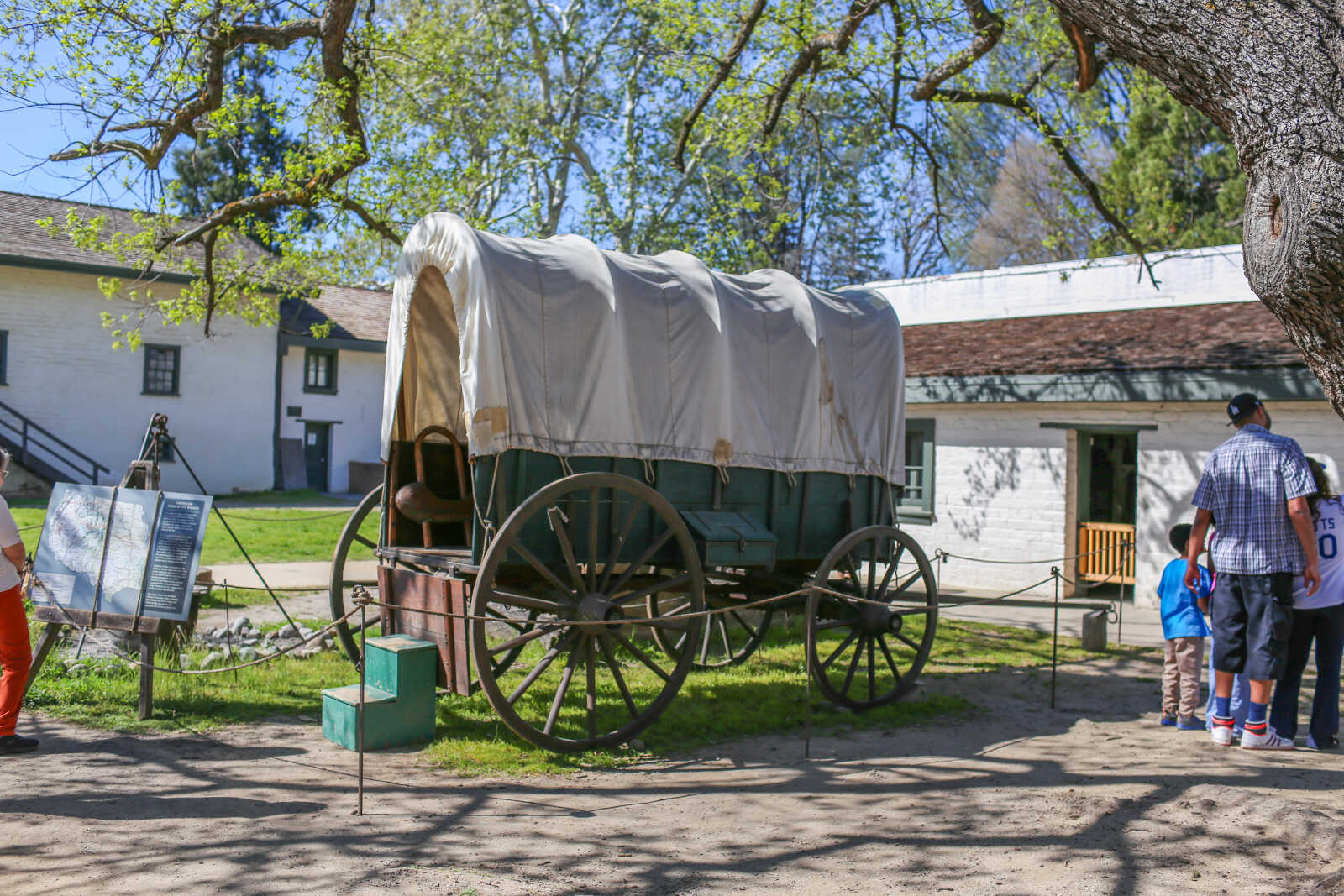
Table of Contents
What Is Fort Sutter Museum?
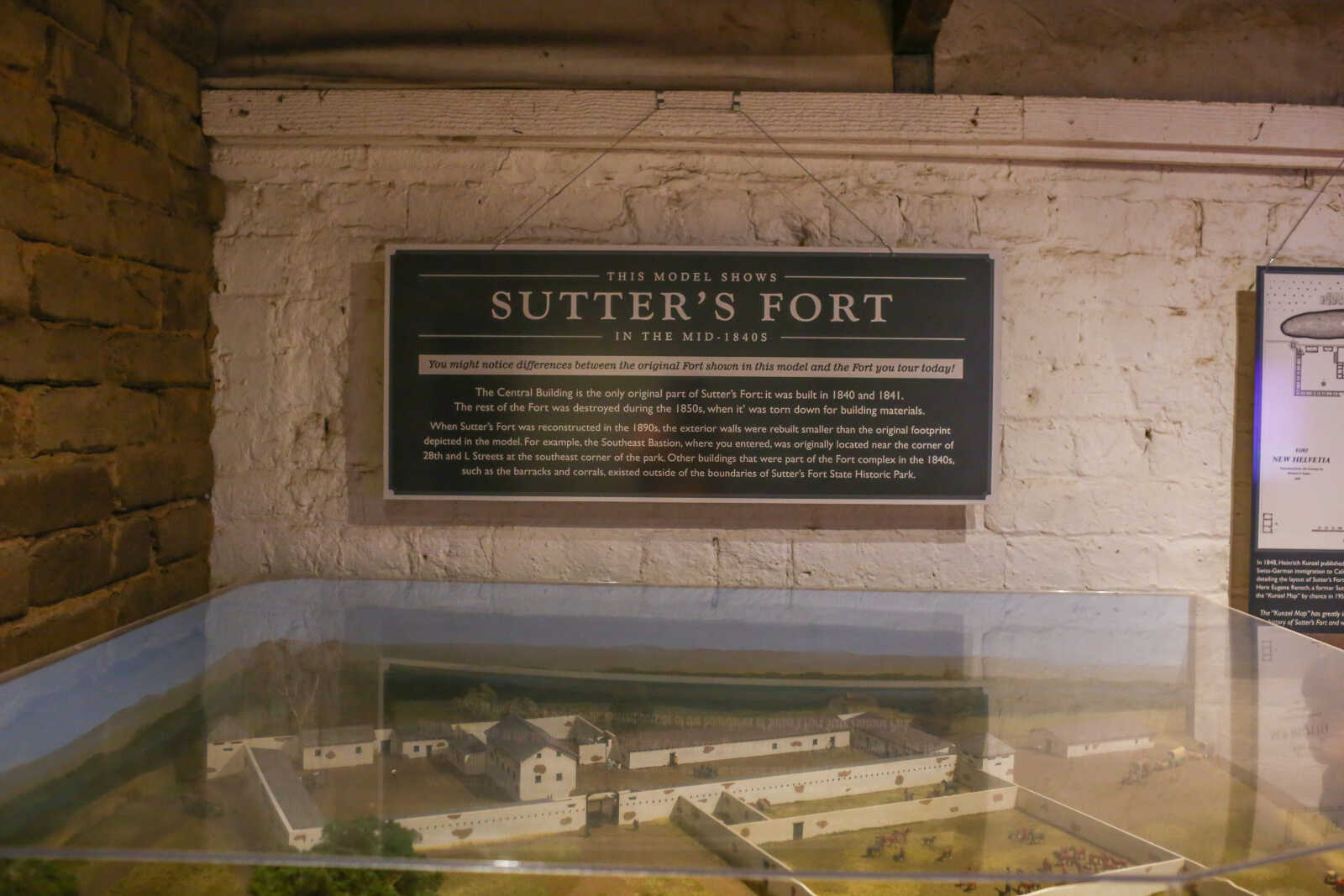
Fort Sutter Museum, officially known as Sutter’s Fort State Historic Park, preserves one of California’s most important historical sites. Built in 1839 by Swiss immigrant John Sutter, the fort became an important settlement during the years leading up to the California Gold Rush.
Long before California became a state, the fort served as a busy agricultural center, trading post, and safe gathering place for travelers arriving in the Sacramento Valley. When gold was discovered nearby in 1848, thousands of fortune seekers passed through the fort while heading toward the Sierra Nevada foothills.
Today, visitors can explore a carefully reconstructed version of the original adobe fort while learning about the people who lived and worked there. Throughout the museum you will find furnished rooms, exhibits, gardens, workshops, artifacts, and costumed interpreters who help bring the history to life.
Even if you are not normally someone who enjoys history museums, Fort Sutter Museum feels much more interactive than a traditional exhibit.
Where Is Fort Sutter Museum?
Fort Sutter Museum is located in Midtown Sacramento, just east of Downtown Sacramento. This fort and surrounding park is right in the middle of a very busy metropolitan area. There’s a very large hospital right across the street where I actually delivered one of my babies!
Its central location makes it easy to pair with other Sacramento attractions. After visiting the fort, you can grab lunch at one of Midtown’s restaurants, visit the nearby California State Capitol, explore Crocker Art Museum, or spend time walking through Capitol Park.
If you are visiting Sacramento for a weekend, Fort Sutter Museum fits perfectly into a full day of sightseeing.
Our Family Visit During Free Museum Weekend
One of the highlights of our visit was attending during Sacramento’s annual Free Museum Weekend (which usually takes place in March).
Every year, dozens of local museums participate in this popular event, allowing visitors to explore museums throughout the city without paying admission. We planned our morning around Fort Sutter Museum and arrived to finally experience one of Sacramento’s most famous historic landmarks.
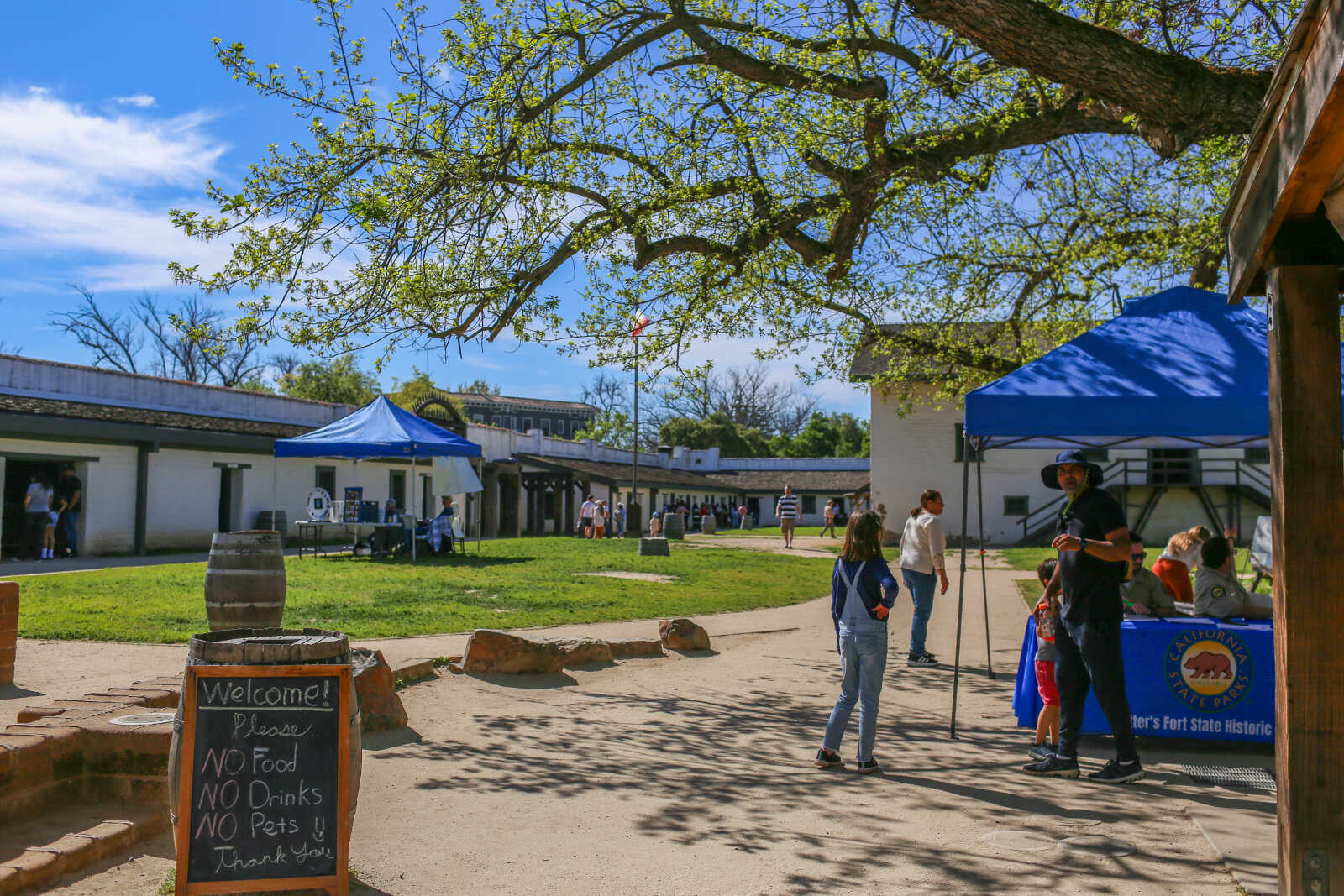
The museum was definitely busier than it would be on a typical weekend, but they had kid-friendly activities available for young visitors. There was also a state worker giving a free tour of some of the fort areas.
How Much Does it Cost to Visit Fort Sutter?
Visiting Sutter’s Fort State Historic Park is one of the most affordable attractions in Sacramento.
Current admission prices are:
- Adults (18+): $5
- Youth (ages 6 to 17): $3
- Children (5 and under): Free
For a typical family of four (2 adults and 2 children ages 6 to 17), admission is just $16, making it an excellent value for a few hours of exploring Sacramento’s Gold Rush history.
Is Parking Included in Your Admission Fee?
No. Parking is not included with your admission fee because Sutter’s Fort does not have an on-site parking lot.
Most visitors park in one of these nearby options:
- Metered street parking surrounding the fort on K Street, L Street, 26th Street, and 28th Street.
- Paid public parking garages and lots within a short walk in Midtown Sacramento.
If you’re visiting on a weekday, give yourself a few extra minutes to find parking, as the surrounding neighborhood can be busy with hospital employees, office workers, and Midtown visitors. On weekends, it’s often easier to find a metered space nearby.
First Impressions on Fort Sutter
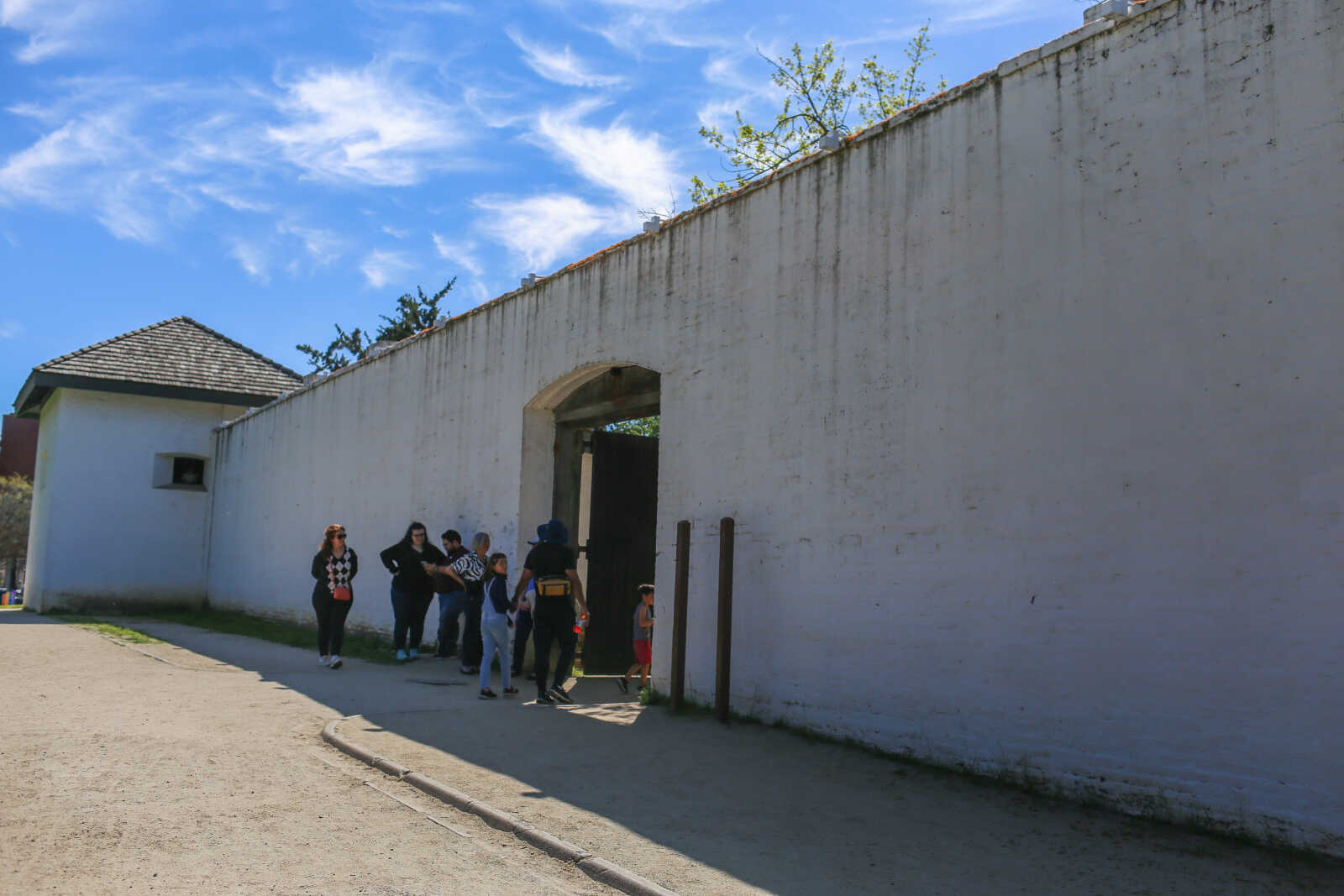
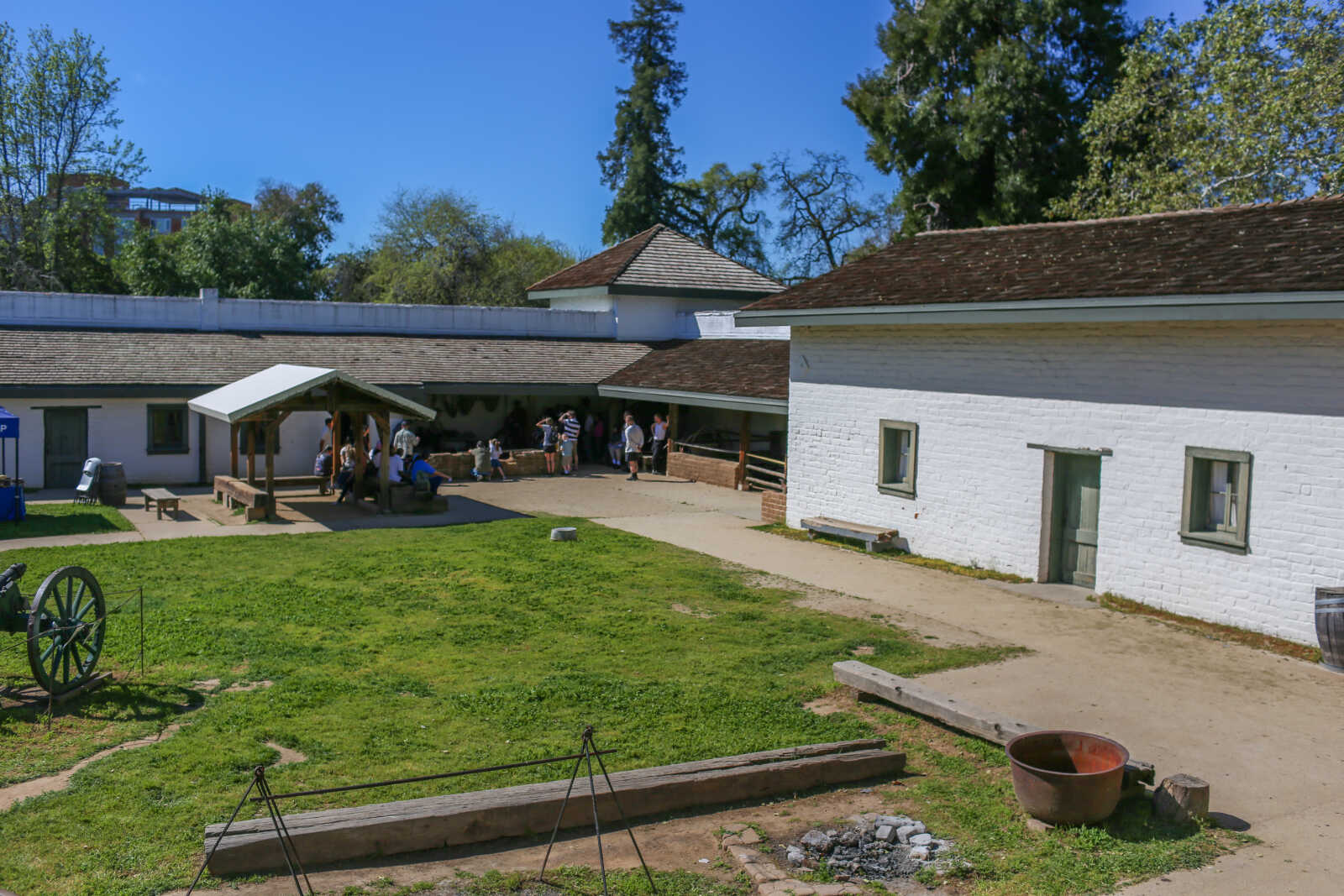
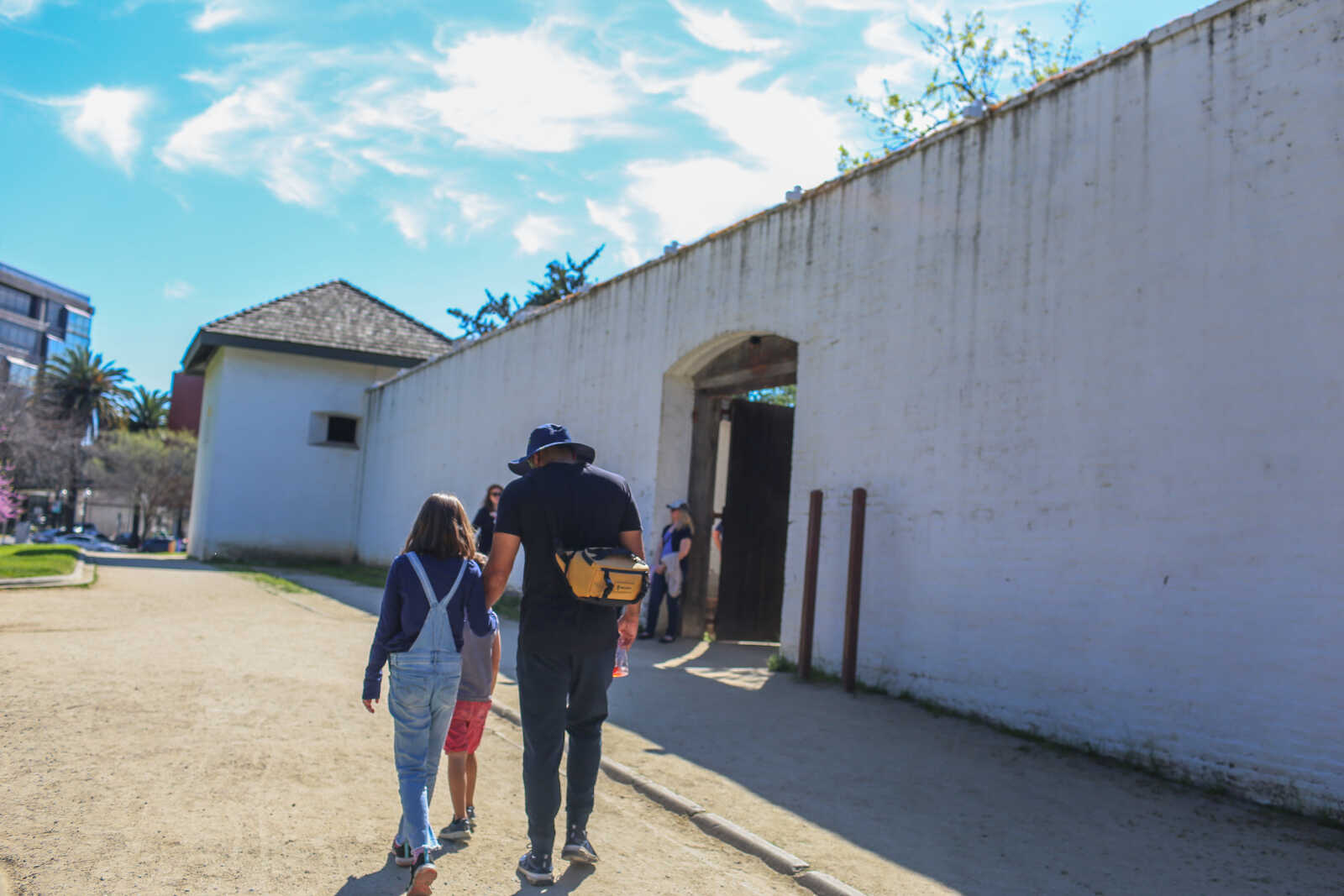
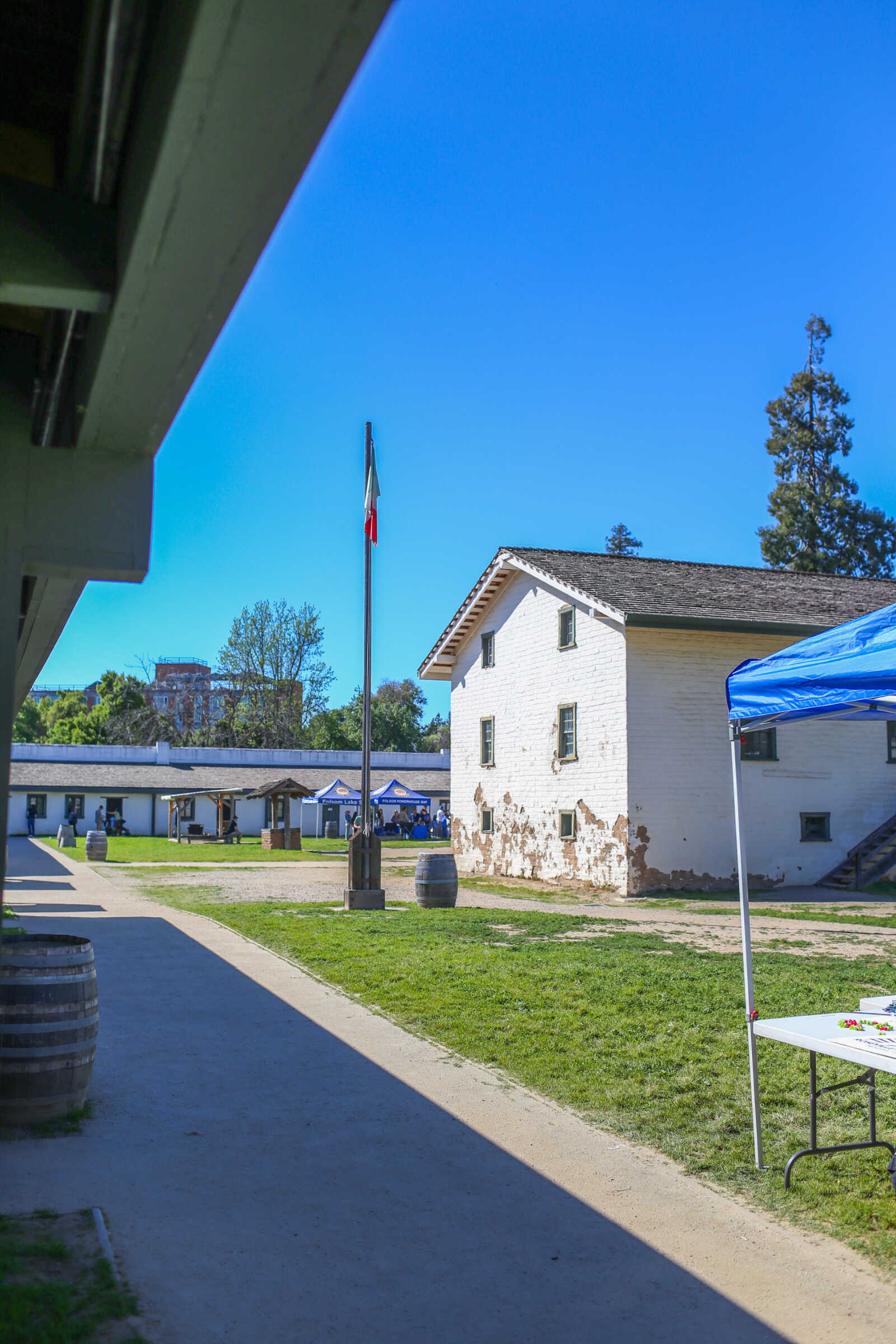
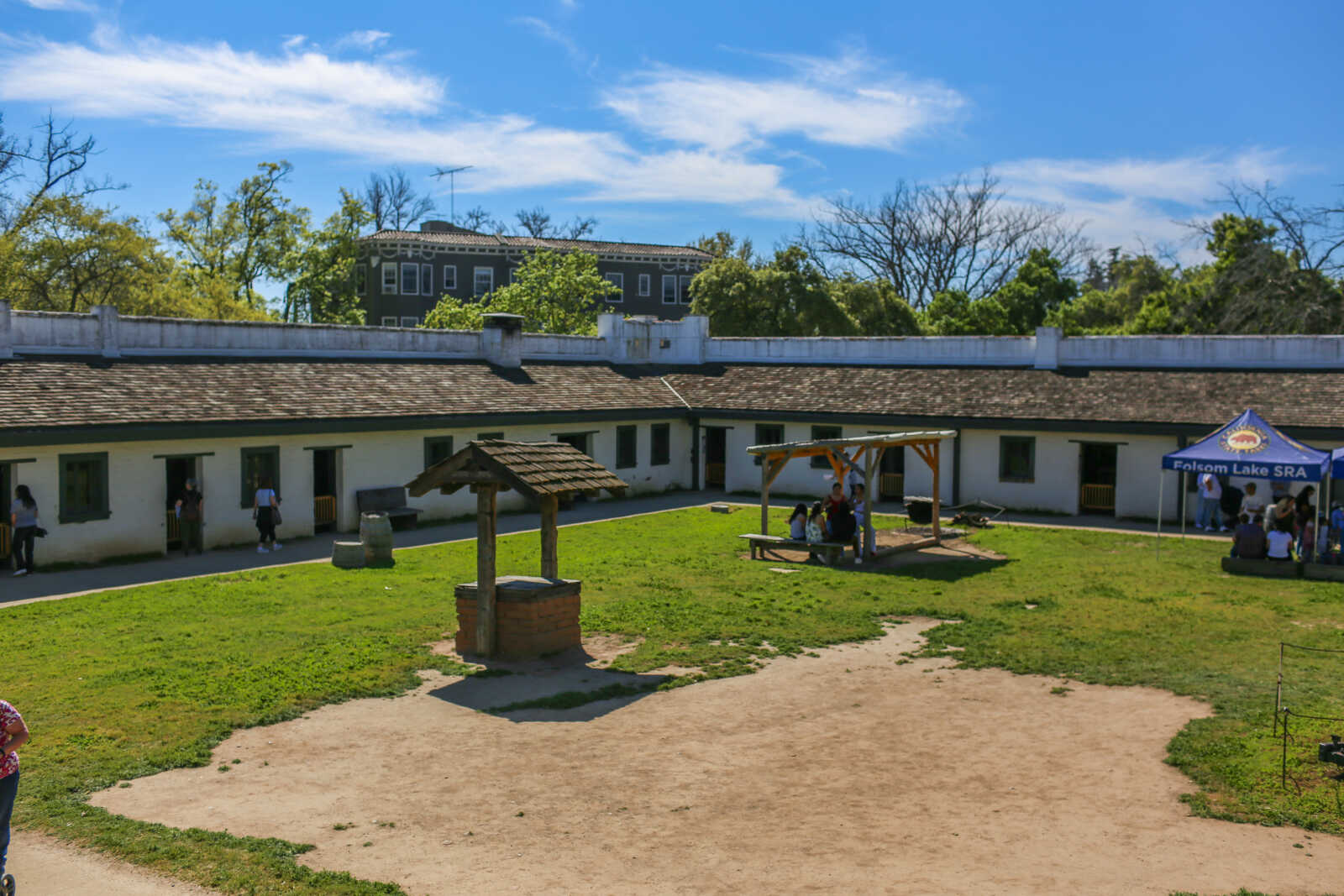
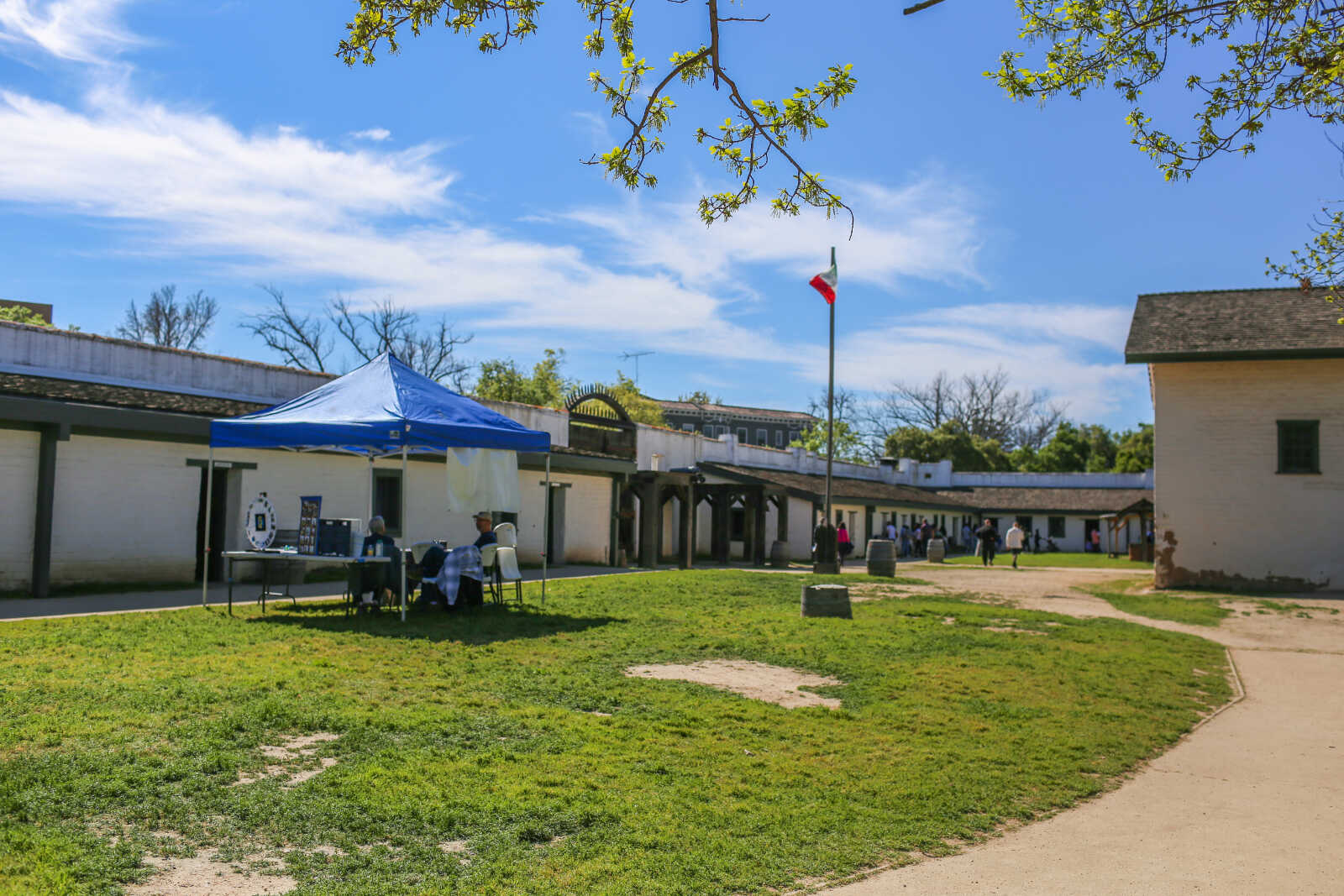
Walking through the large wooden entrance immediately transports you back in time. The tall adobe walls surround a spacious central courtyard filled with historic buildings, wagons, gardens, workshops, and open gathering areas.
It is easy to forget that you are still in the middle of modern Sacramento. The reconstructed buildings create an authentic atmosphere, and the fort feels much larger than it appears from outside.
Instead of simply walking through a museum building, you are exploring an entire historic village.
The Connection Fort Sutter Has to the Donner Party
One of the most fascinating connections between Sutter’s Fort and California history is its role in the story of the Donner Party. After becoming trapped by heavy snow in the Sierra Nevada during the winter of 1846 to 1847, the surviving members of the Donner Party were rescued and brought to Sutter’s Fort to recover. Many arrived suffering from severe malnutrition, frostbite, and exhaustion after enduring one of the most tragic overland journeys in American history.
At the fort, survivors received medical care, food, clothing, and a safe place to rest while they regained their strength. Some eventually settled in California, while others reunited with family members or continued their journeys. The events surrounding the Donner Party became a defining chapter in California’s pioneer history, and Sutter’s Fort served as an important refuge during their recovery.
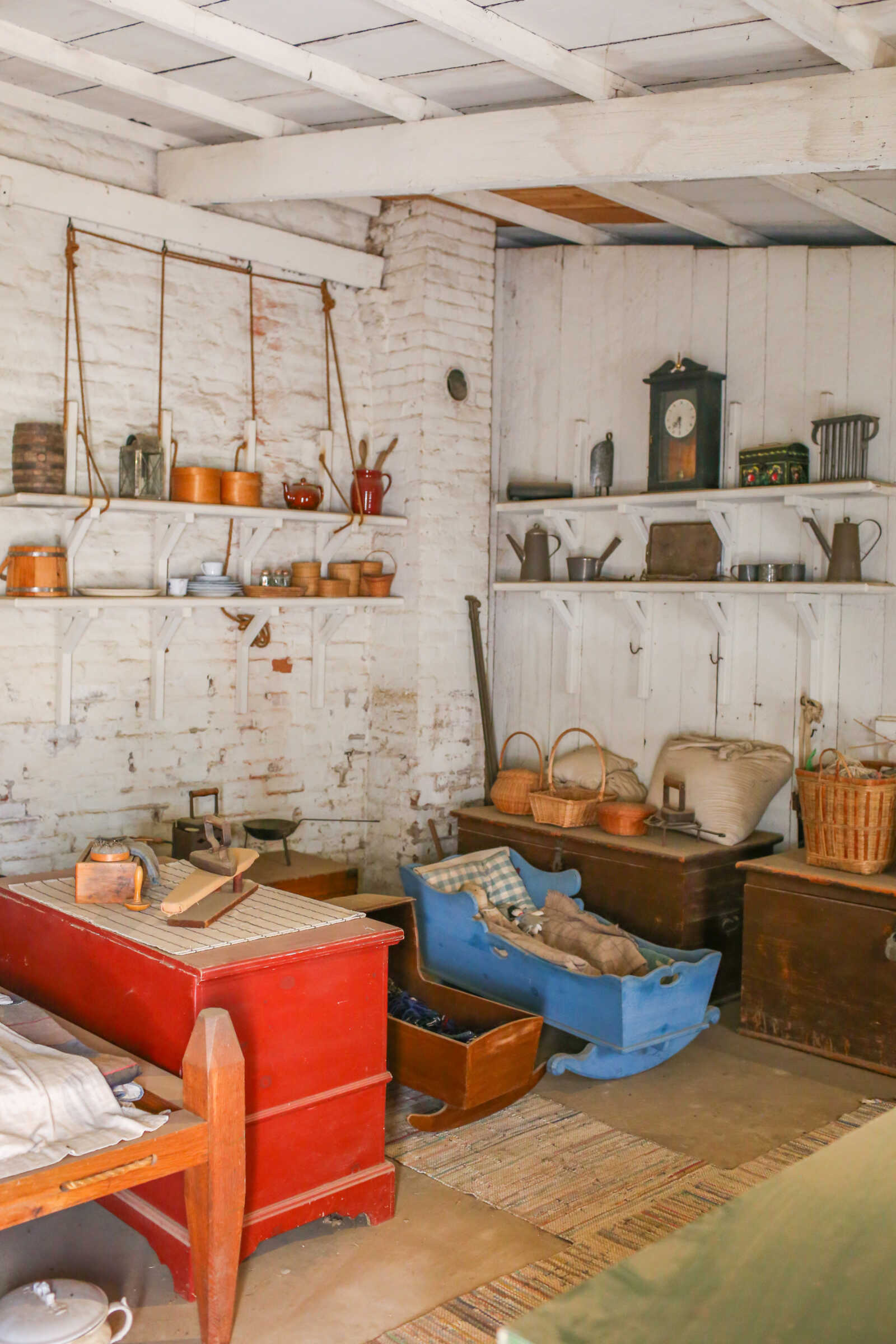
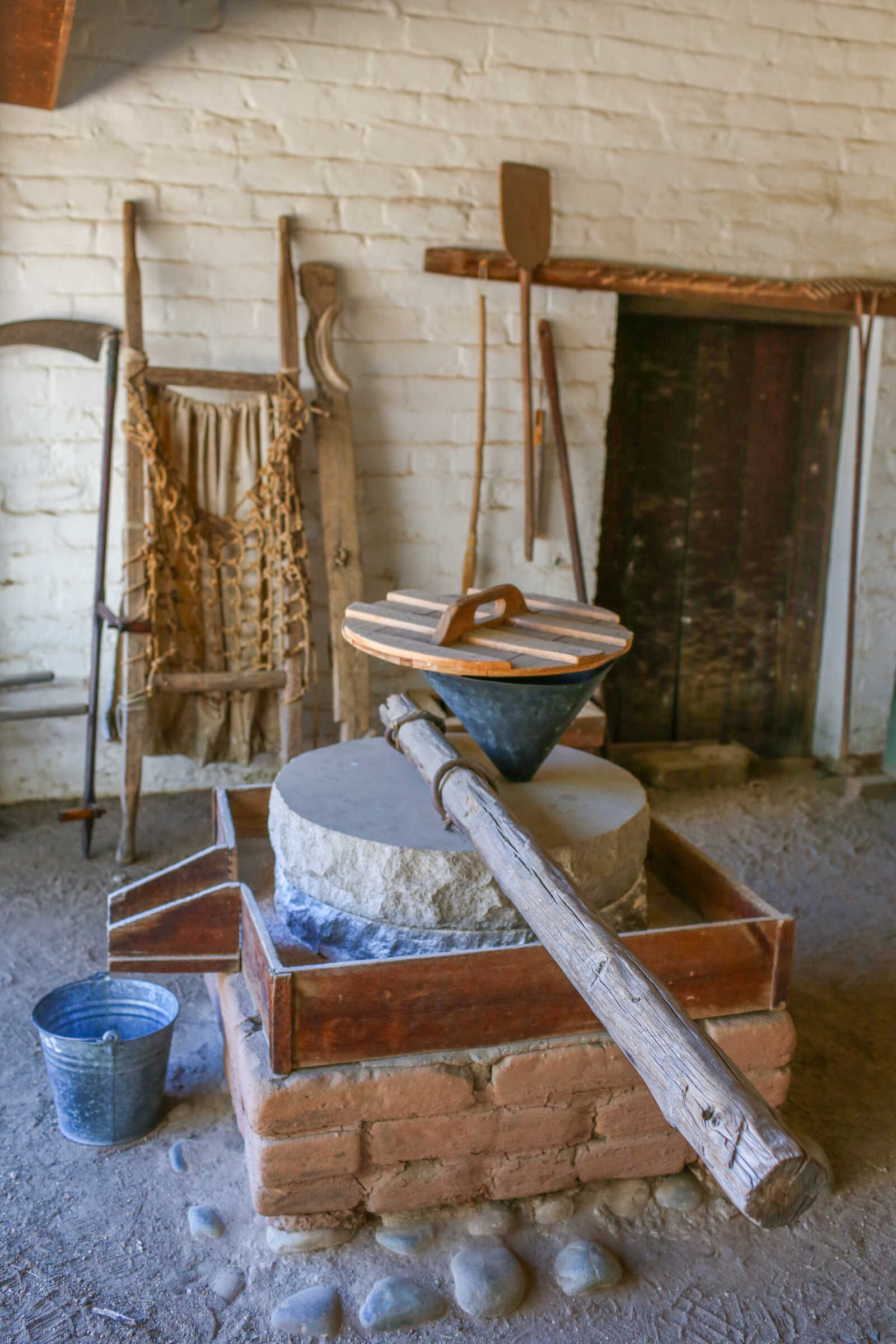
What You’ll See Inside Fort Sutter Museum
One of the best parts of visiting Fort Sutter Museum is that every building offers something different. Keep scrolling to see photos from our visit.
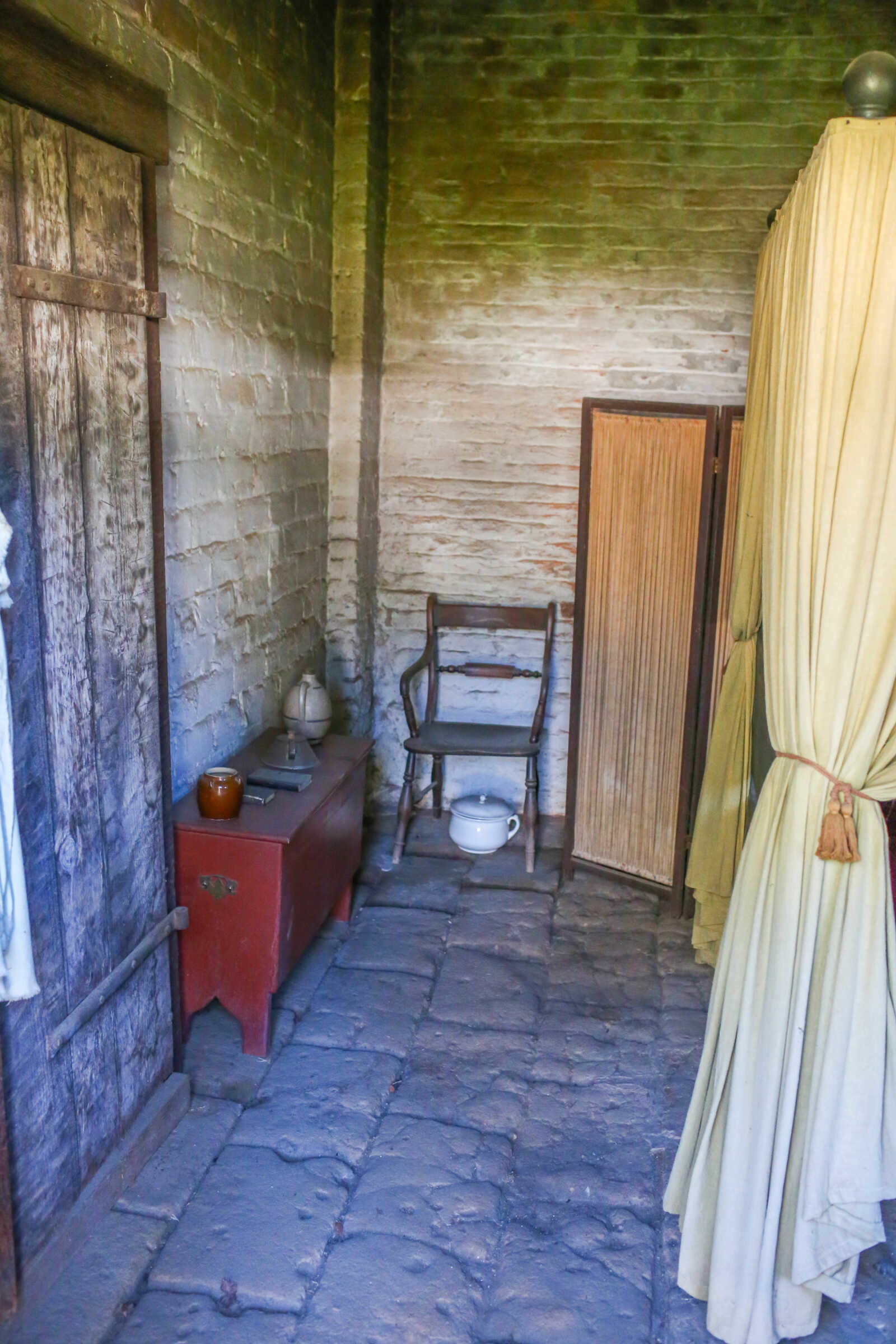
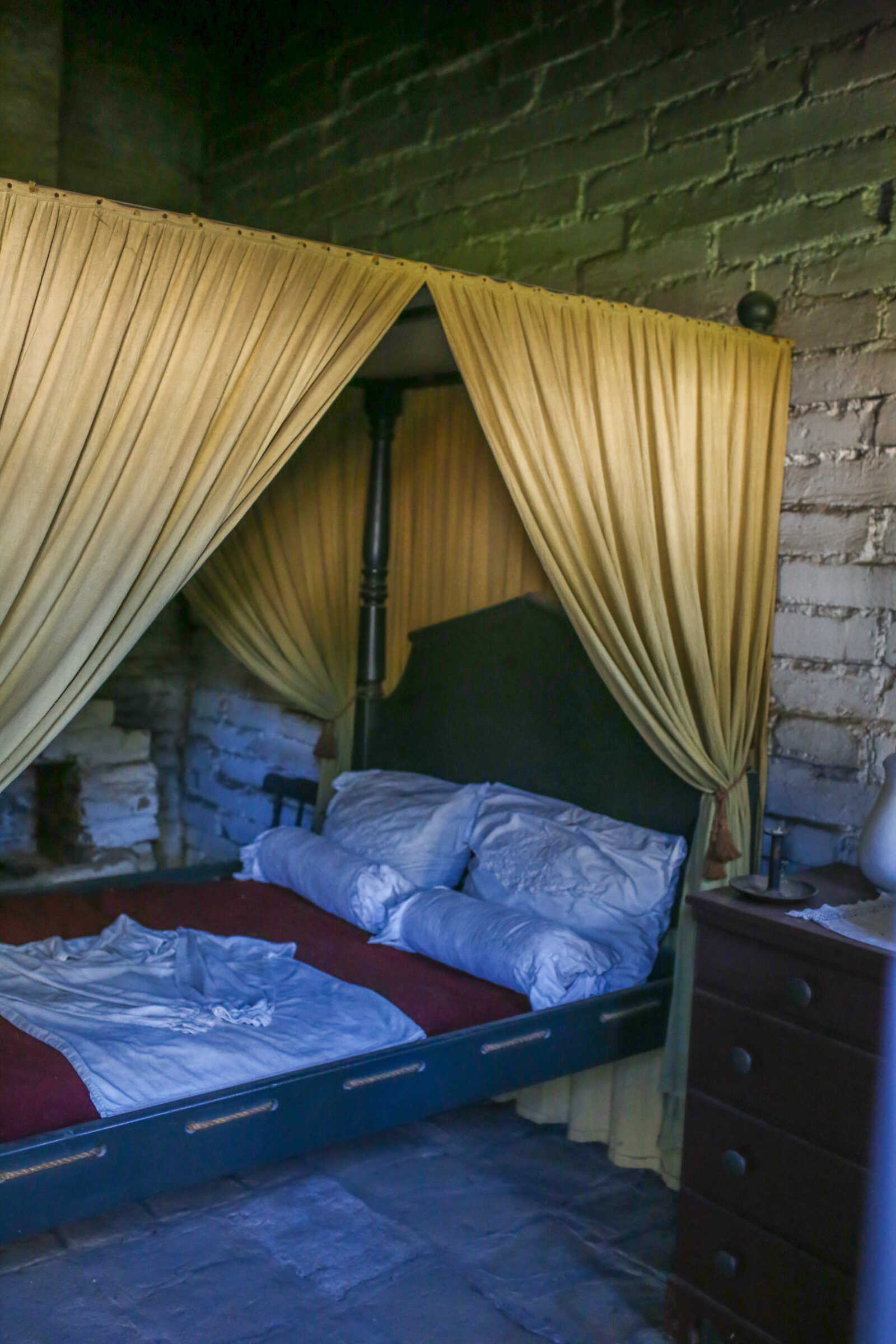
Historic Living Quarters
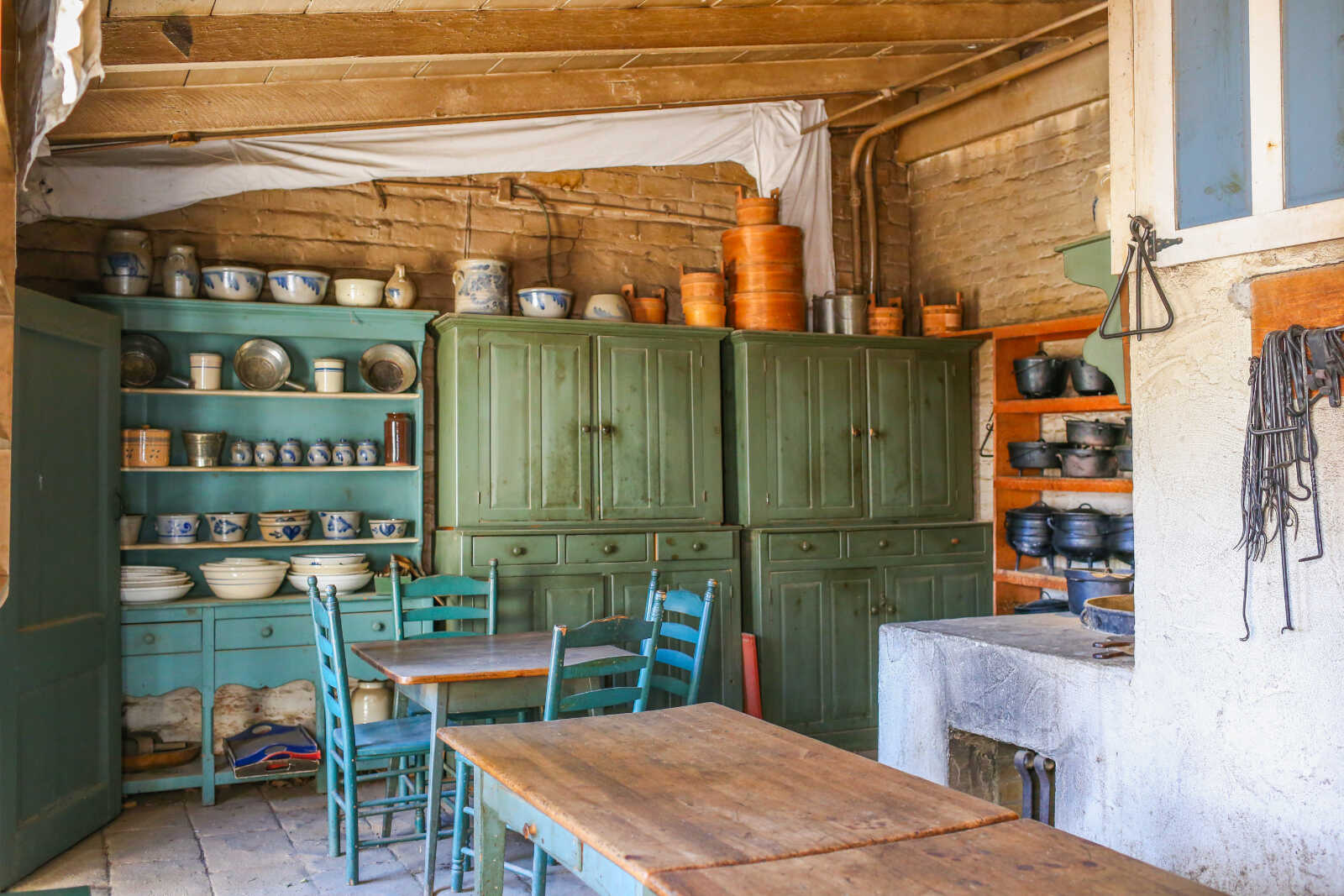
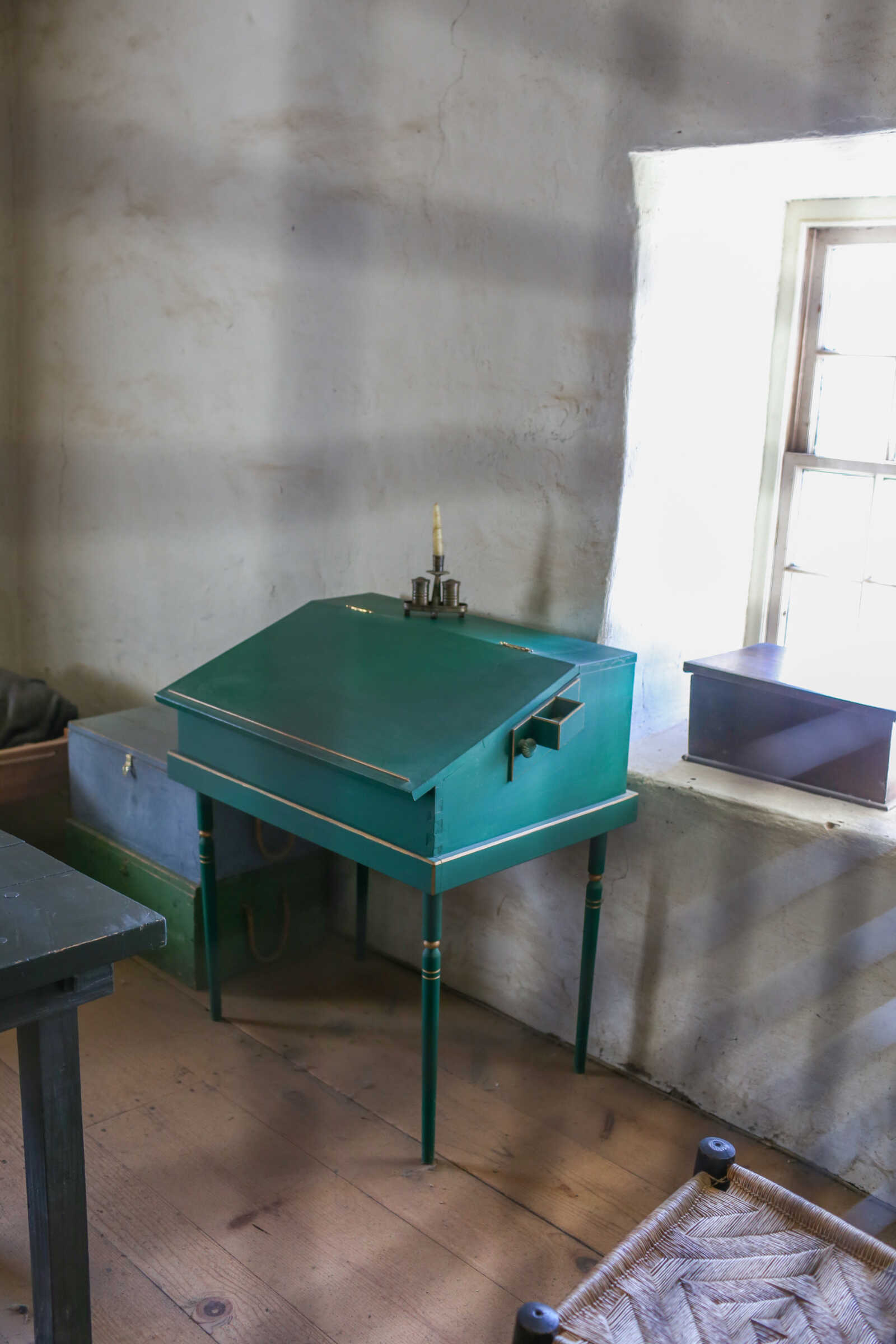
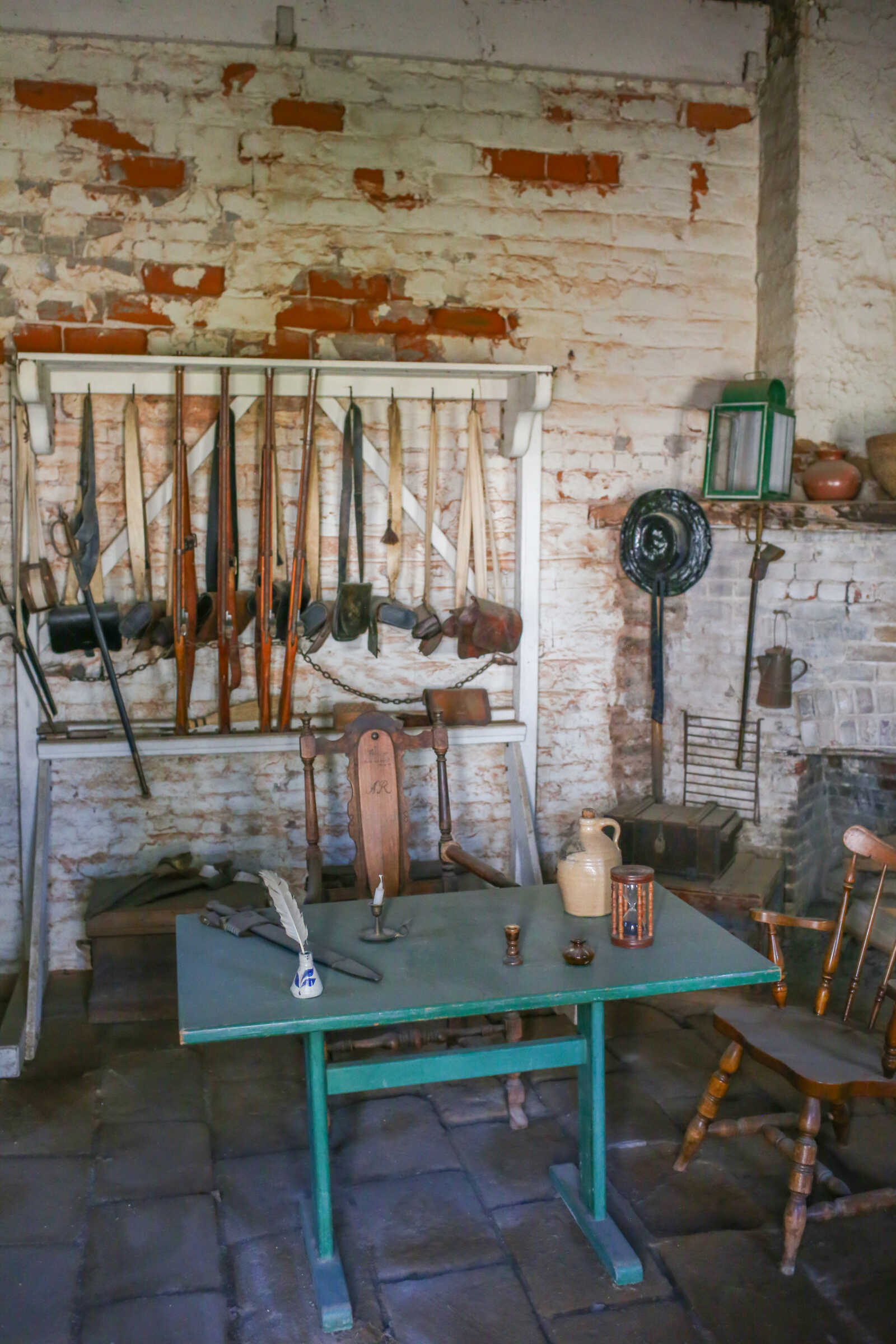
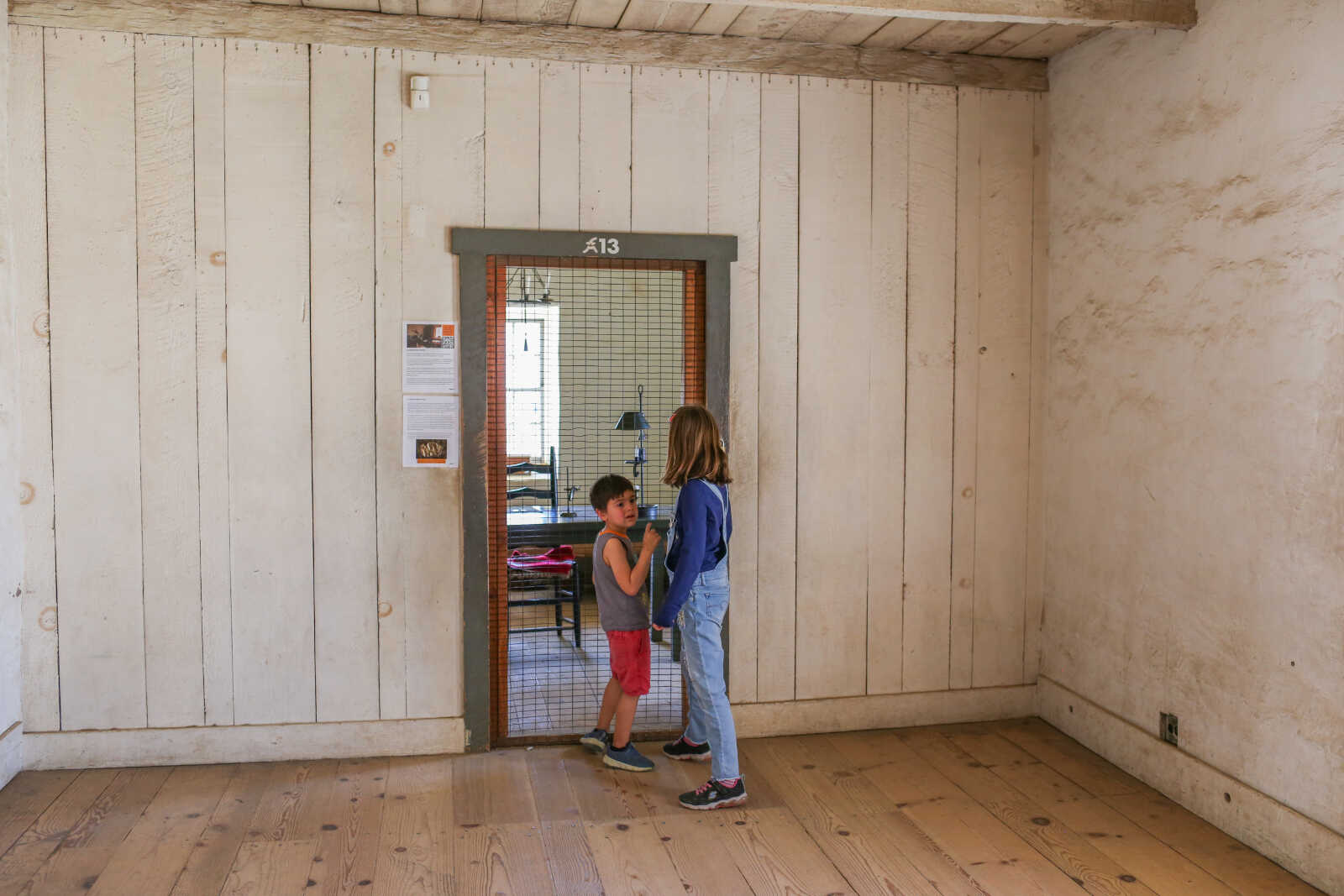
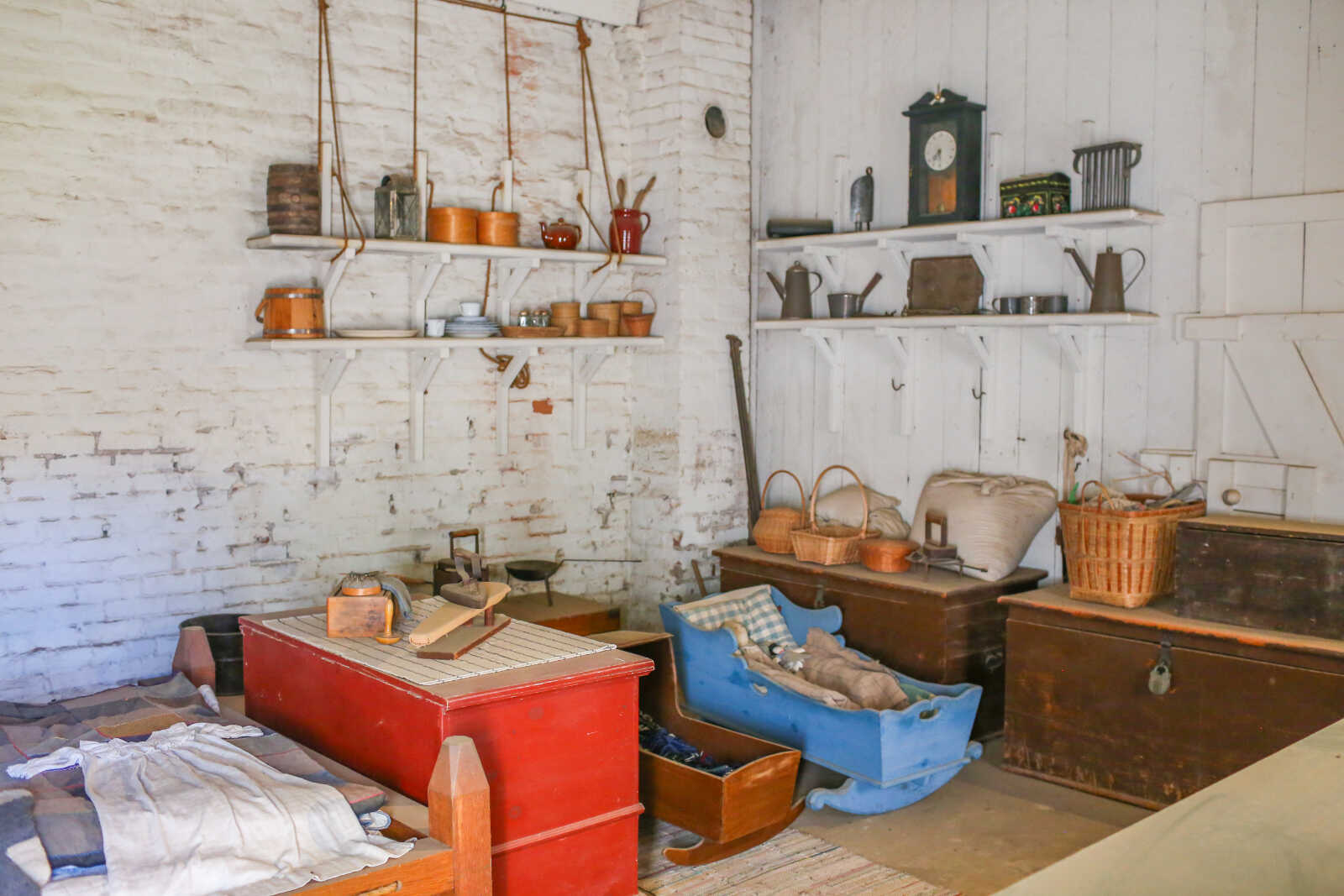
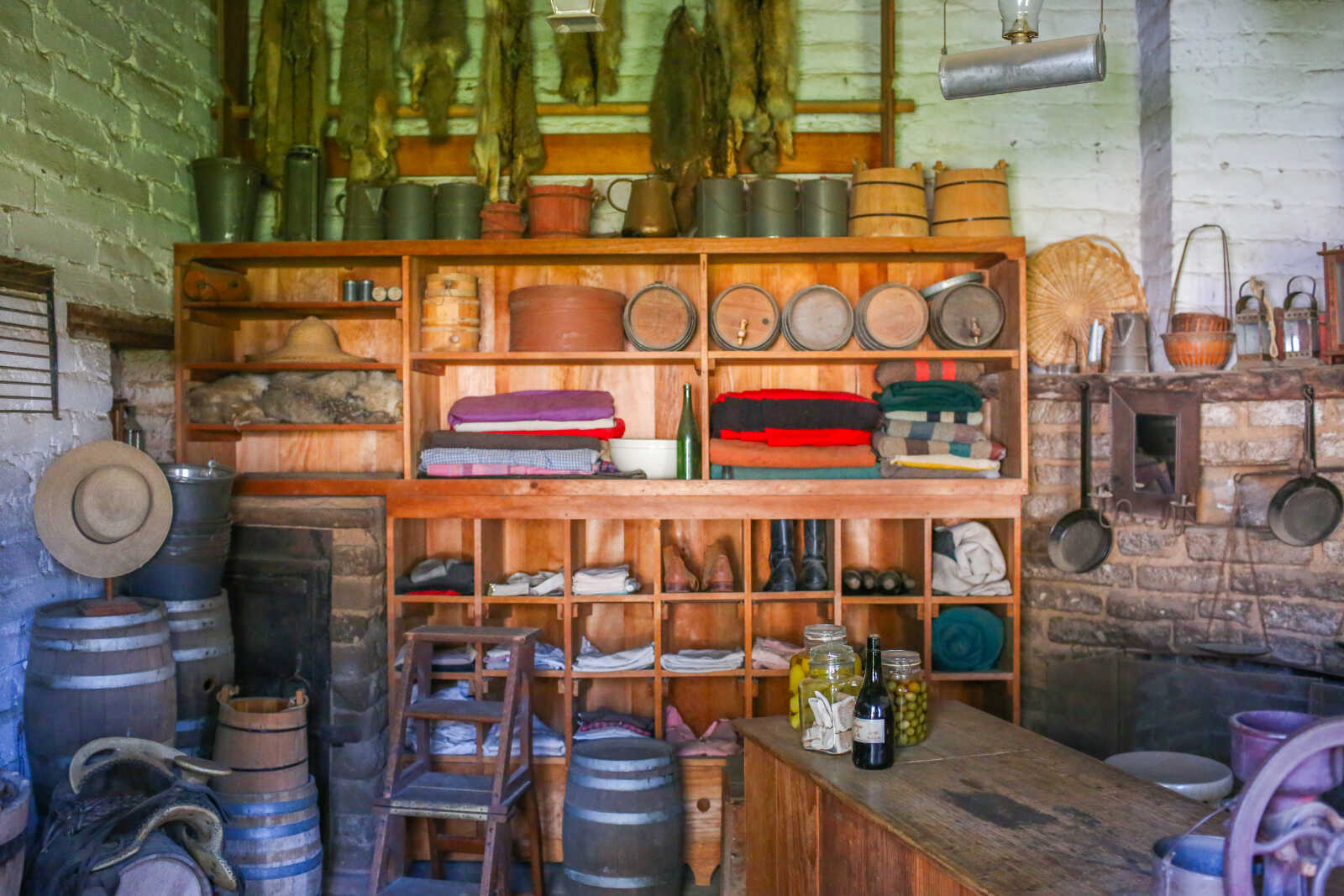
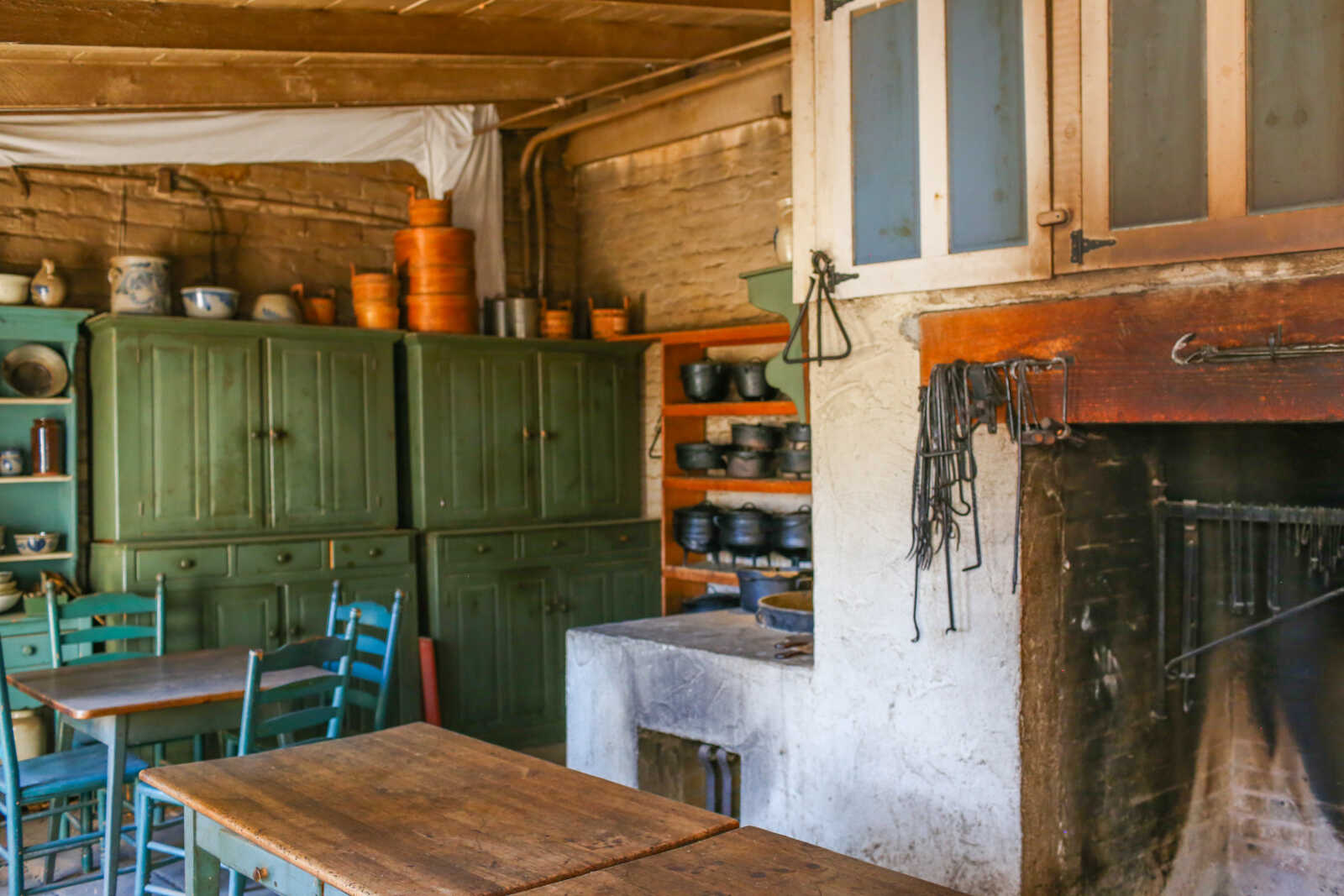
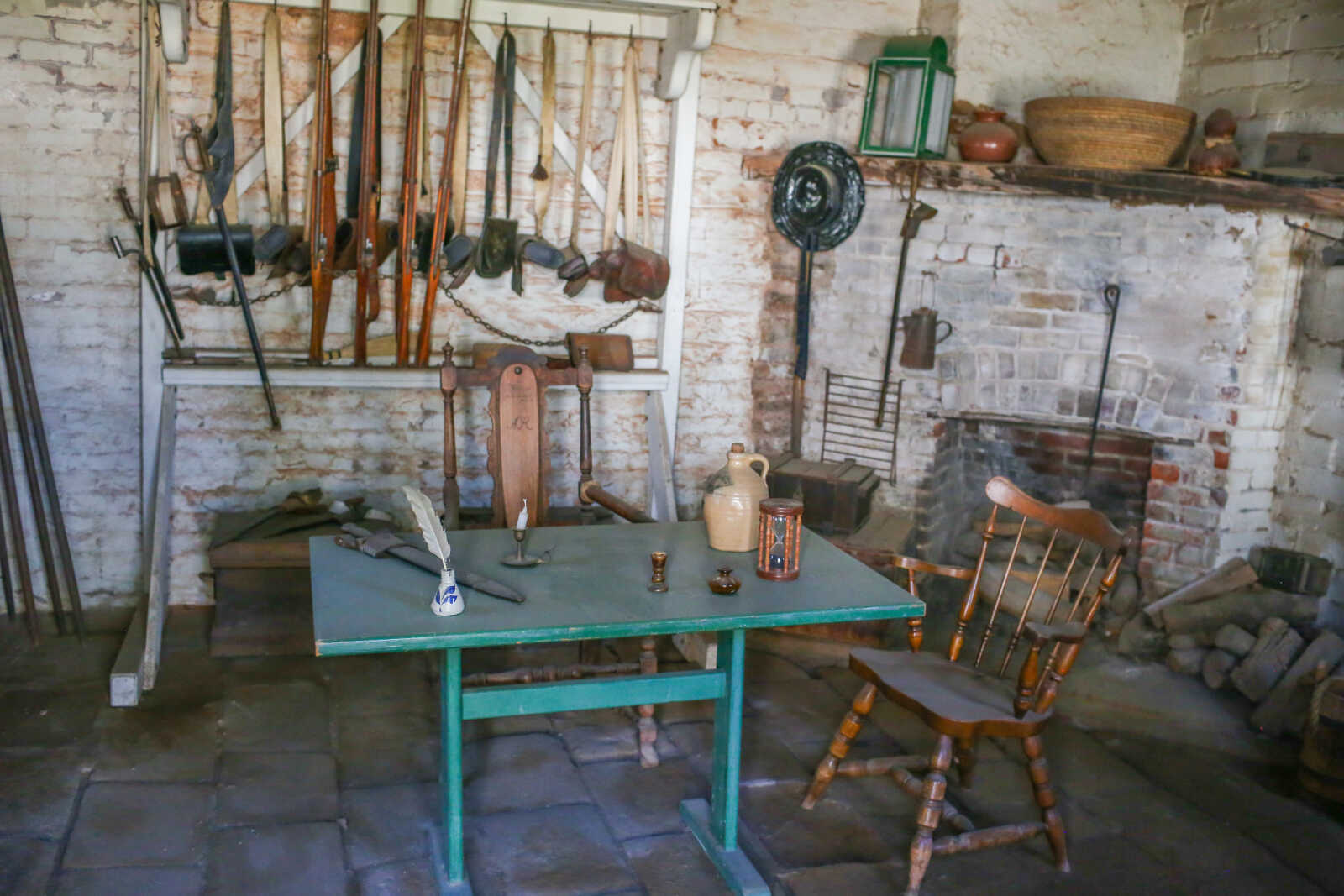
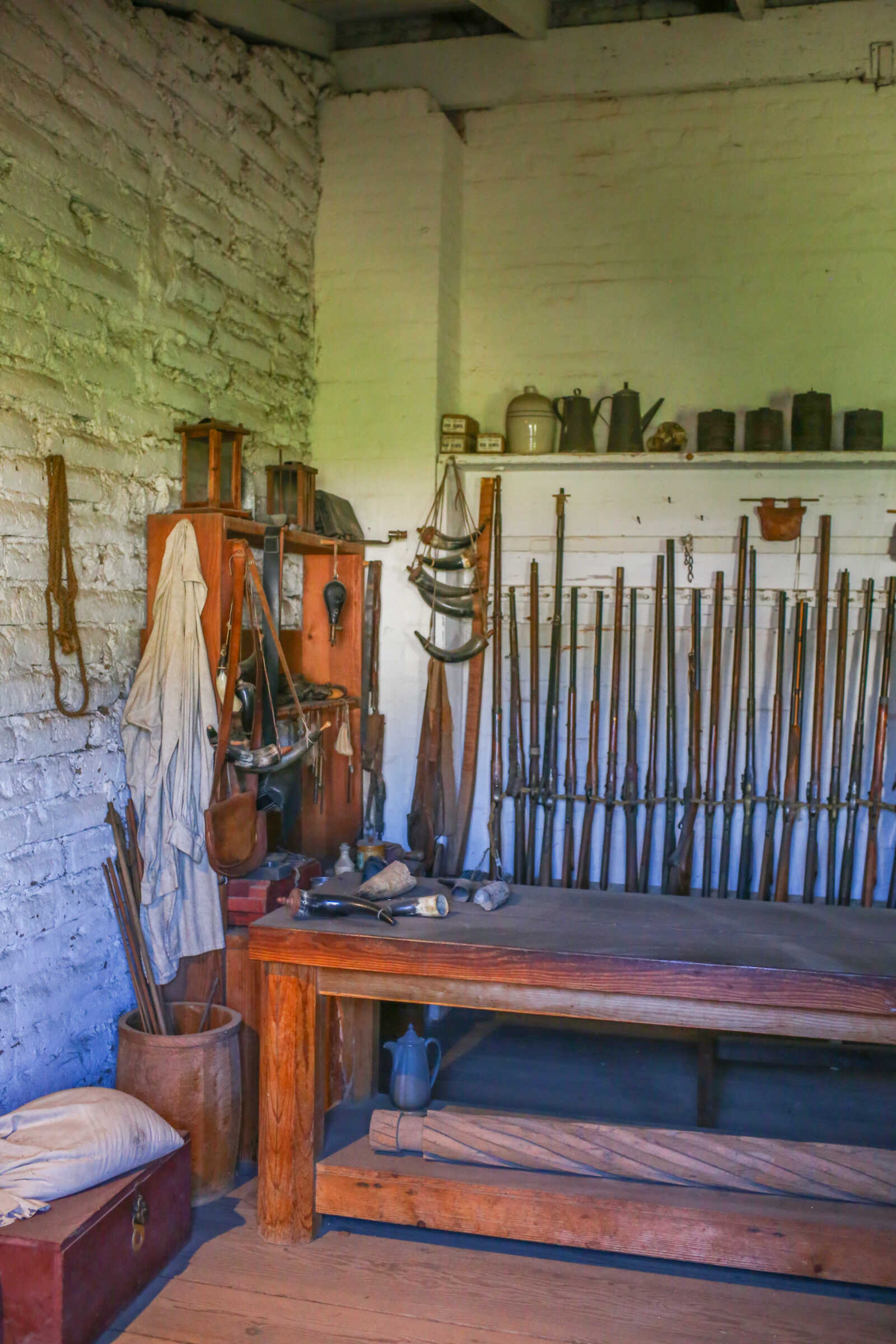
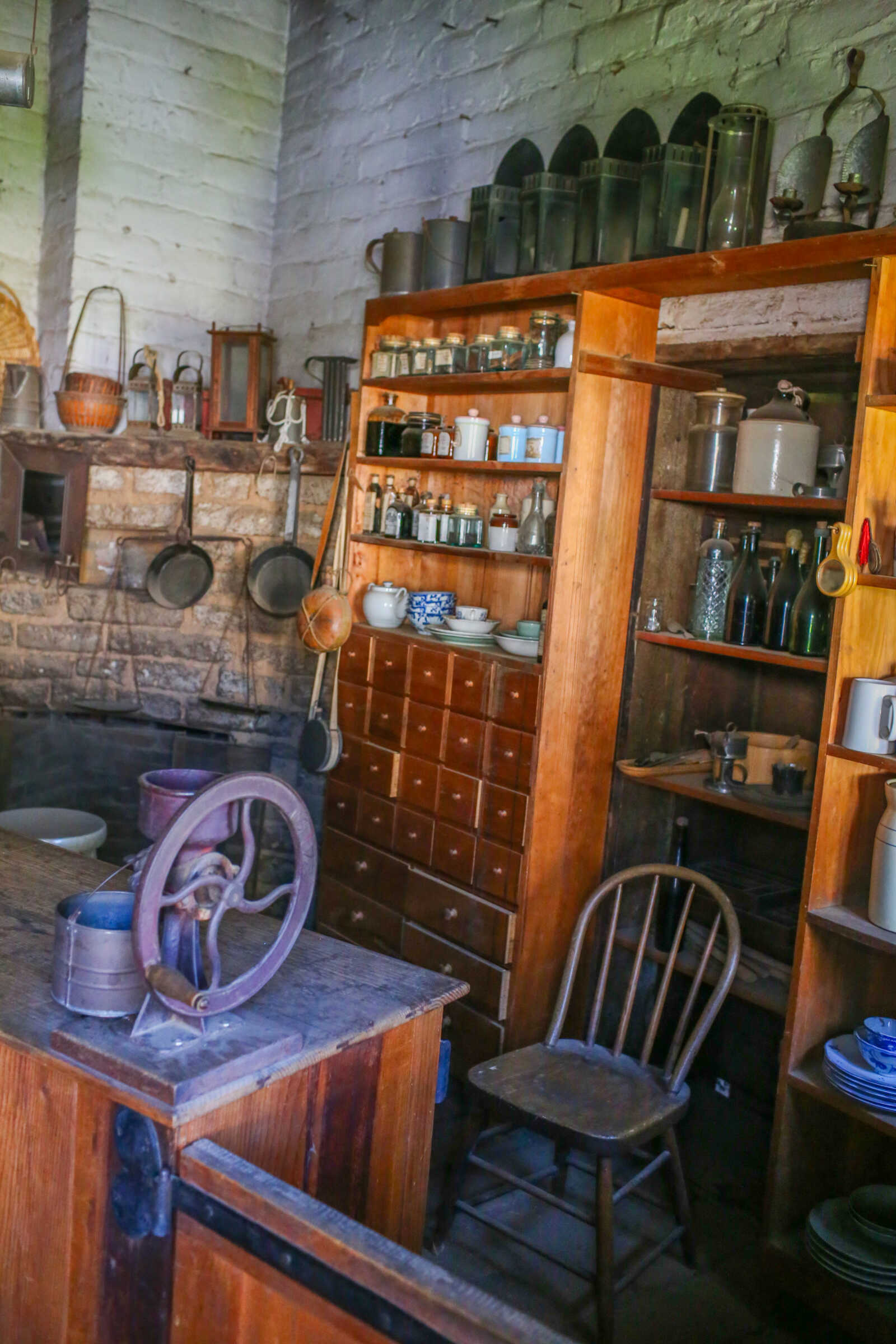
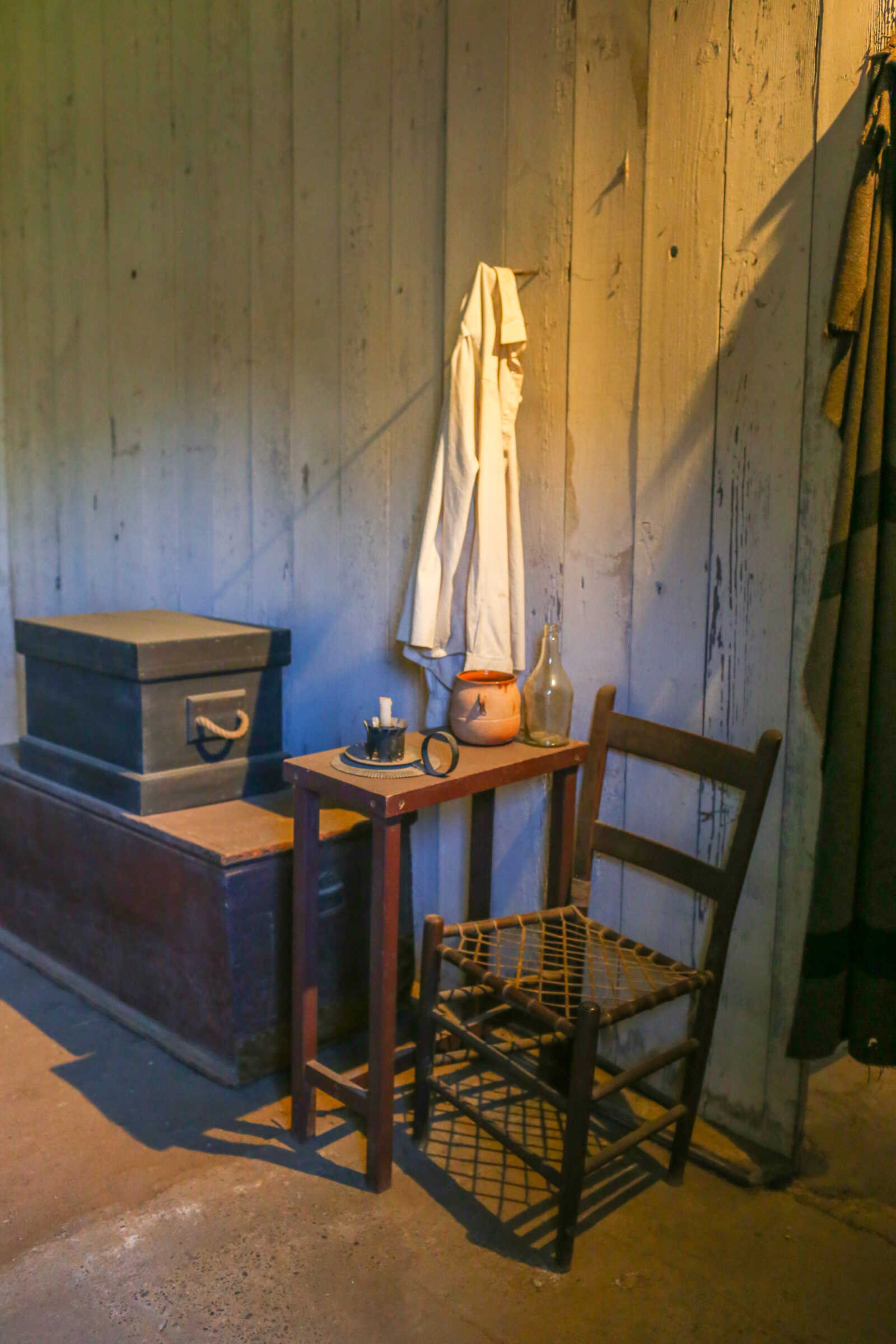
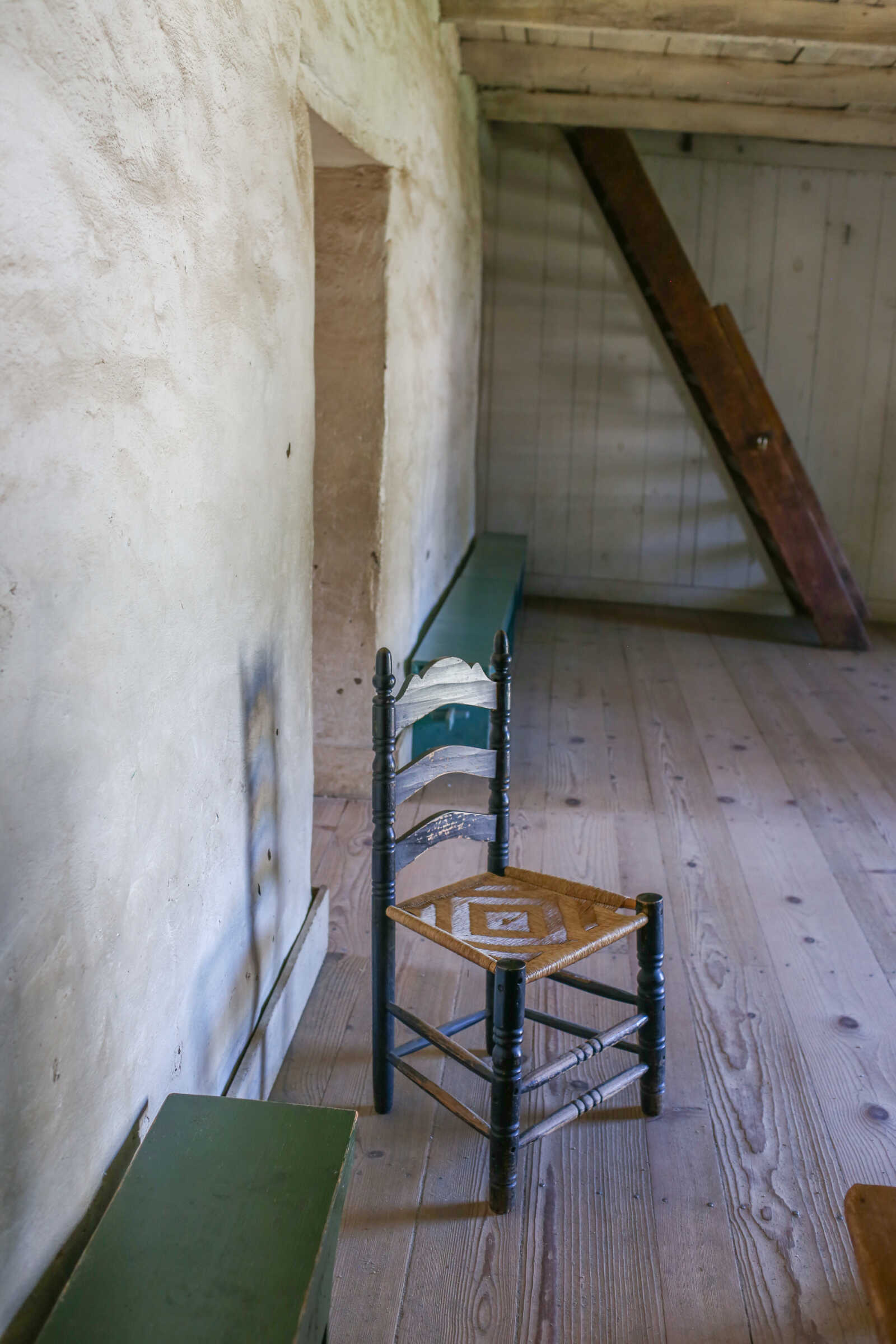
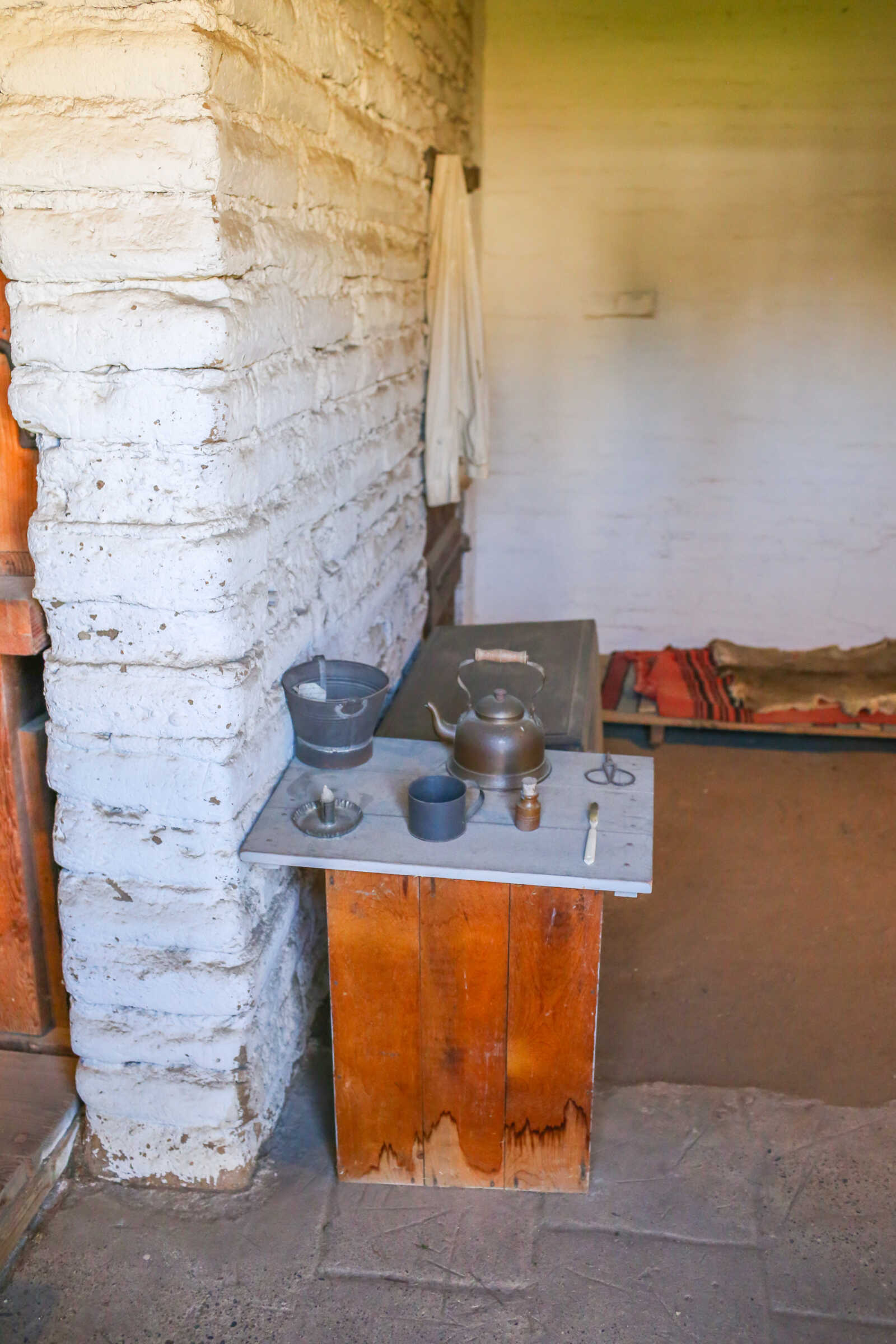
Many rooms have been recreated to show how people lived during the 1840s. You’ll see simple furniture, handmade tools, fireplaces, kitchens, sleeping areas, and household items that were used by settlers.
These exhibits help visitors understand how different daily life looked compared to today.
Blacksmith Shop
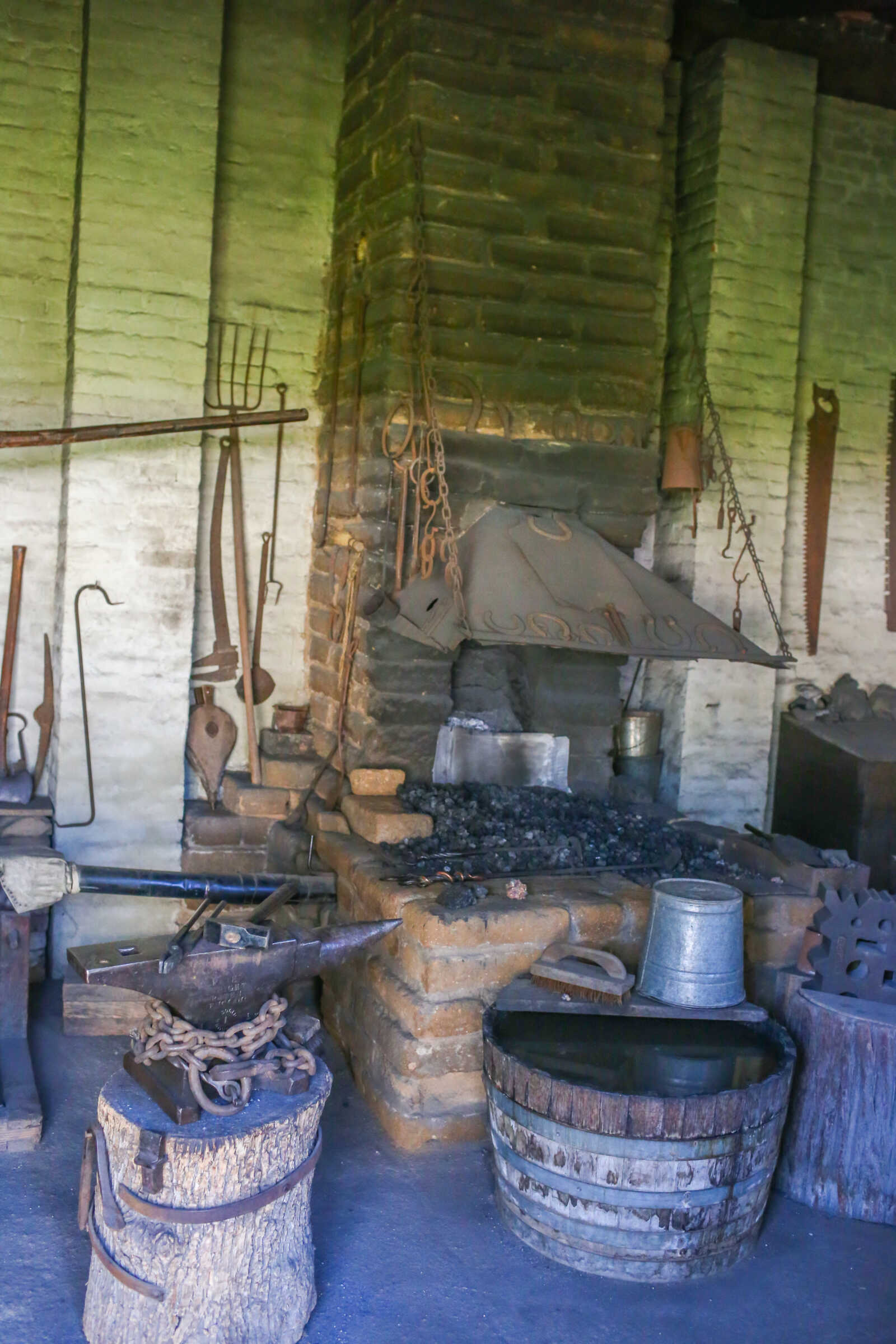
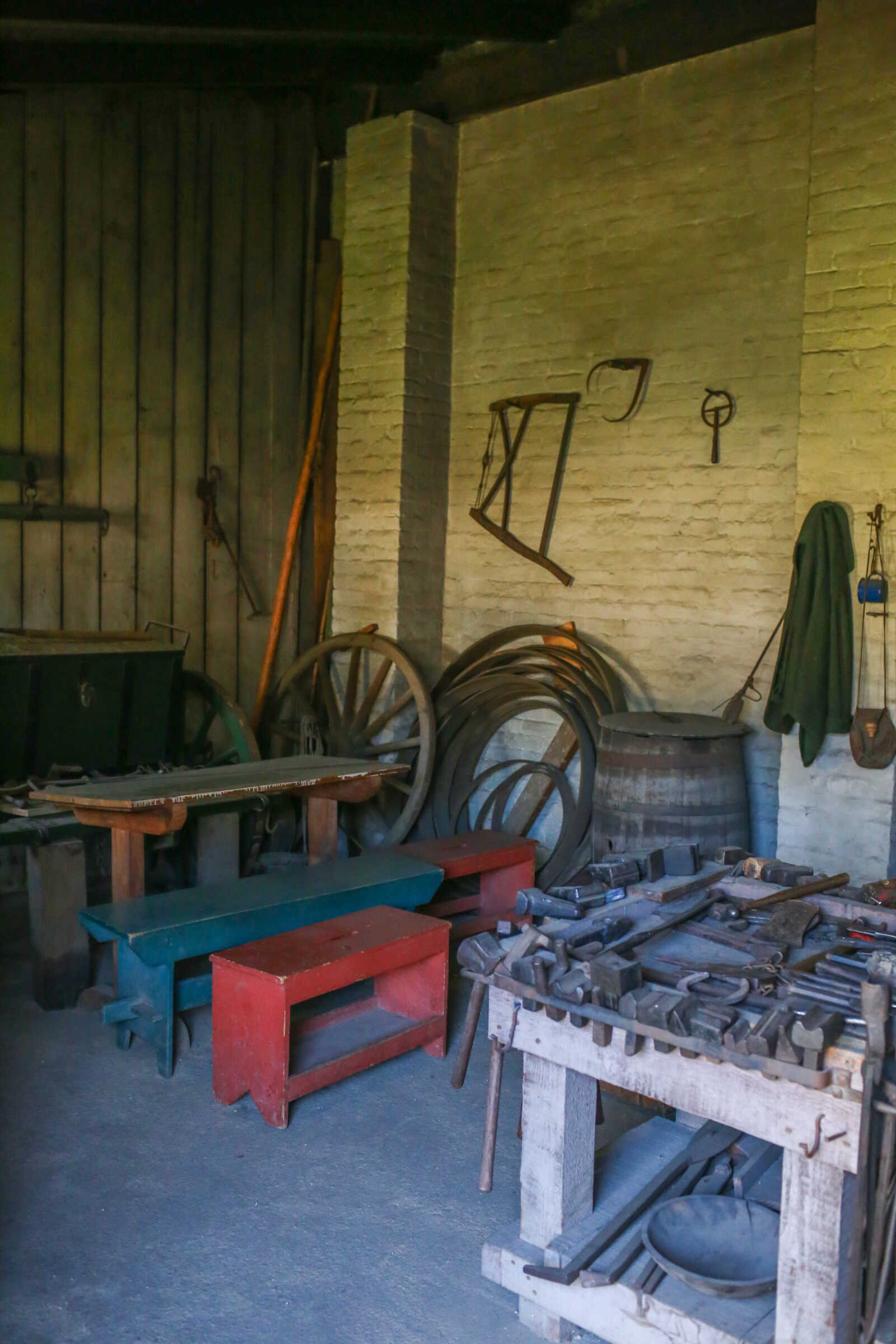
The blacksmith area was one of our favorite stops. Depending on when you visit, you may be able to watch demonstrations showing how tools, horseshoes, and metal hardware were made by hand.
Watching traditional craftsmanship in action gives children a better appreciation for how much work went into everyday objects.
Carpenter and Workshop Areas
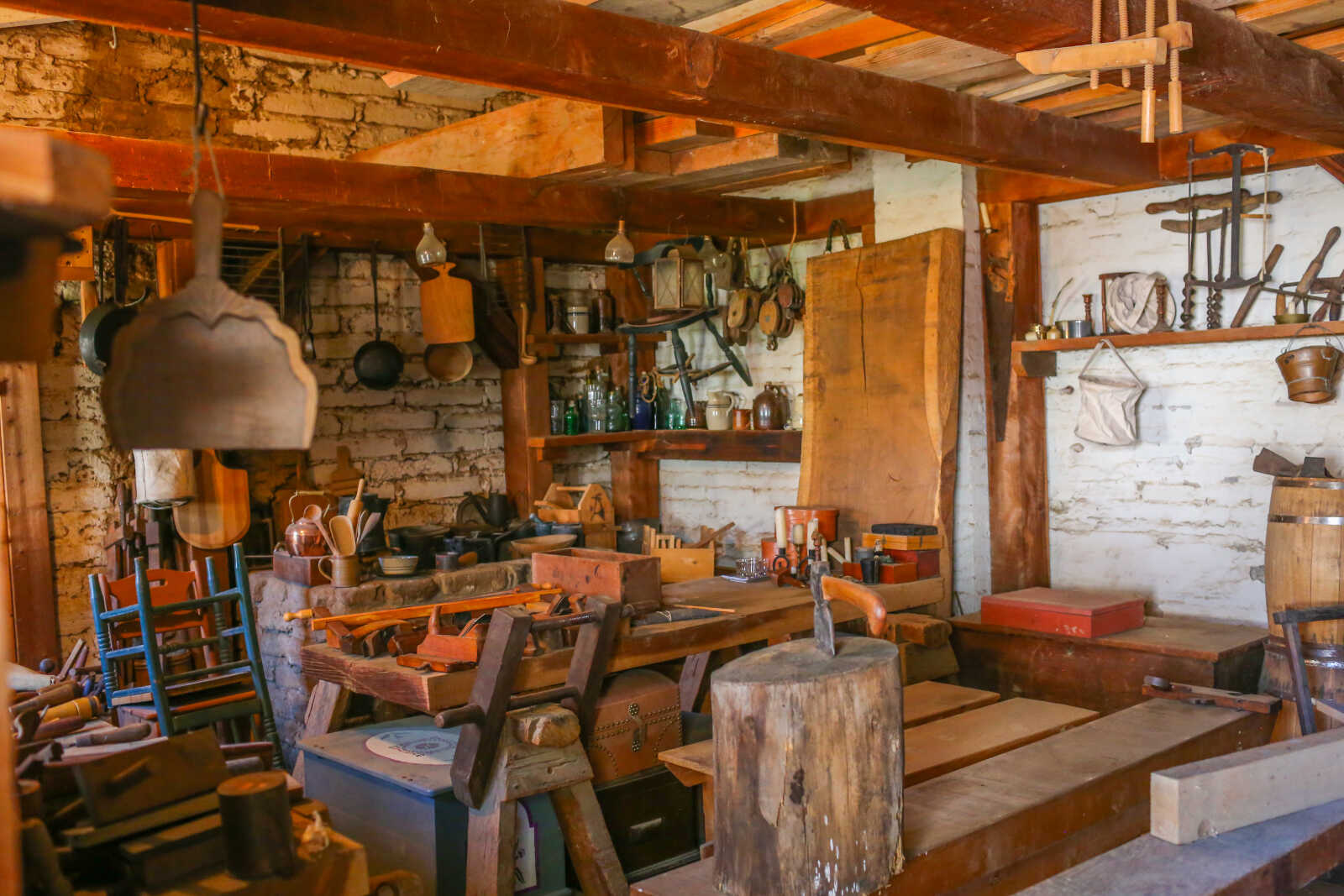
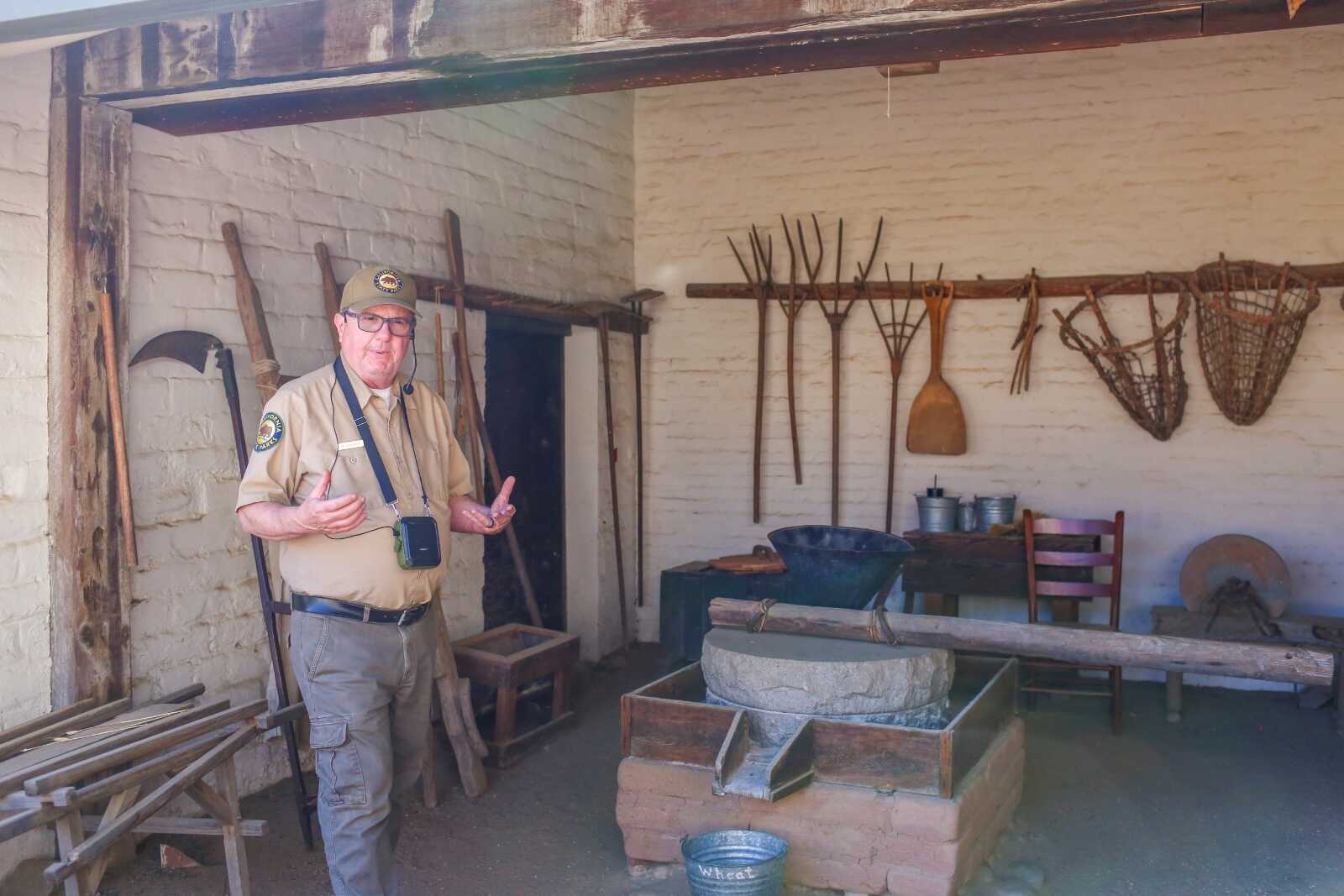
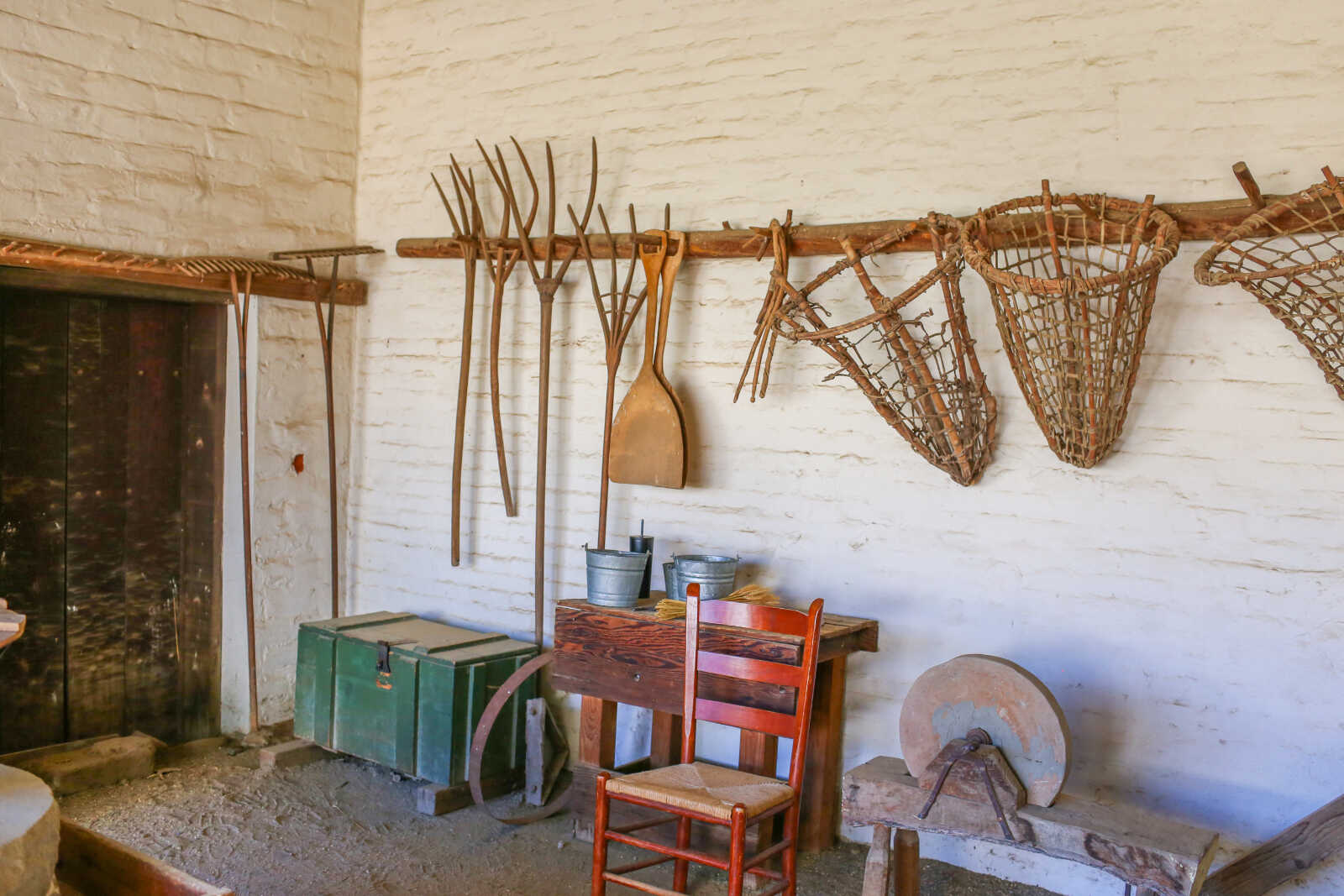
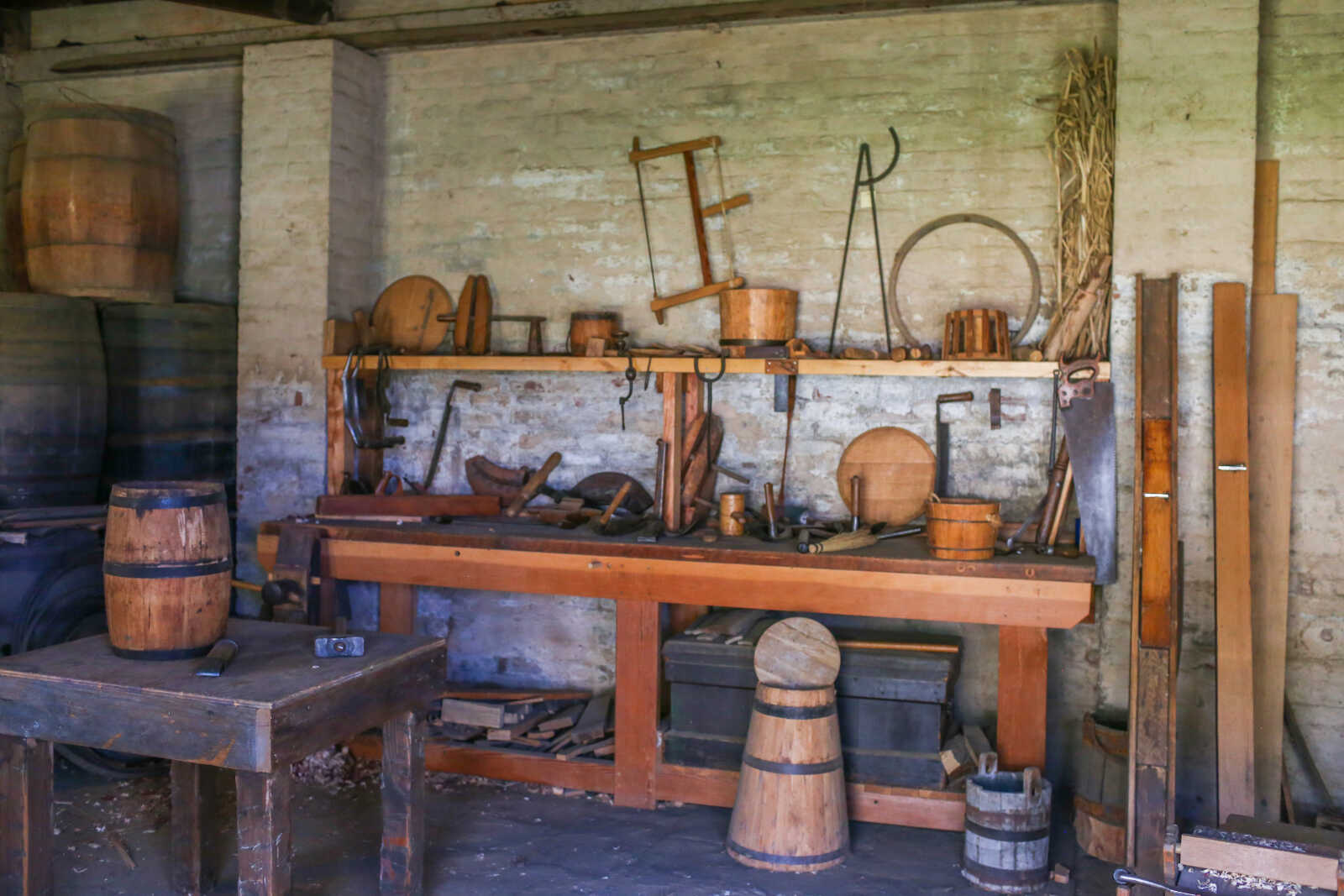
Throughout the fort you’ll find working spaces filled with woodworking tools and equipment. These exhibits explain how furniture, wagons, doors, and building materials were created before factories existed. Kids especially enjoy spotting all of the unusual tools.
The Courtyard
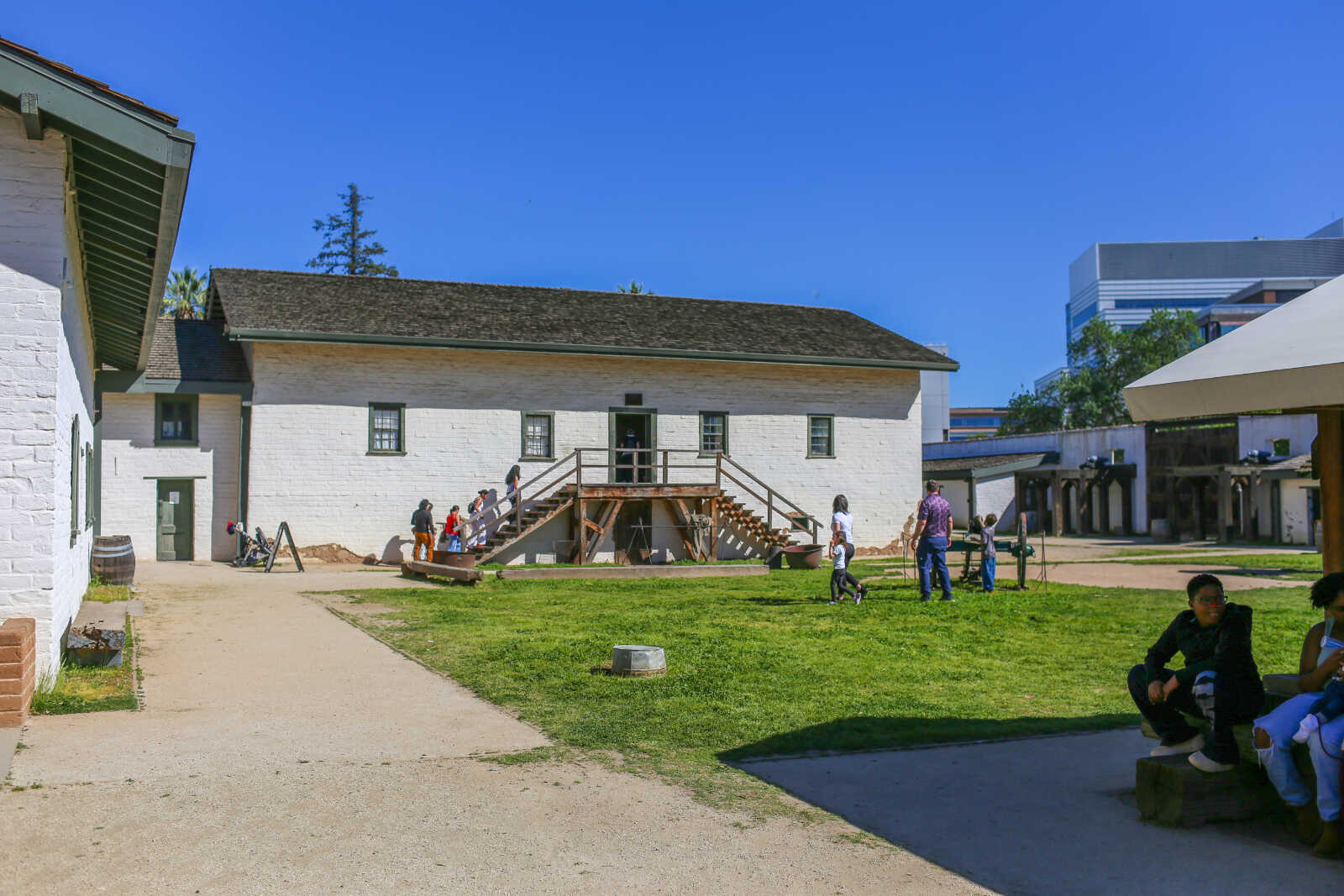
The large central courtyard gives visitors room to wander while imagining wagons arriving from long journeys. The open space also makes Fort Sutter Museum feel much less crowded than many indoor museums.
Children have space to walk comfortably between exhibits without feeling confined.
Gardens and Outdoor Areas
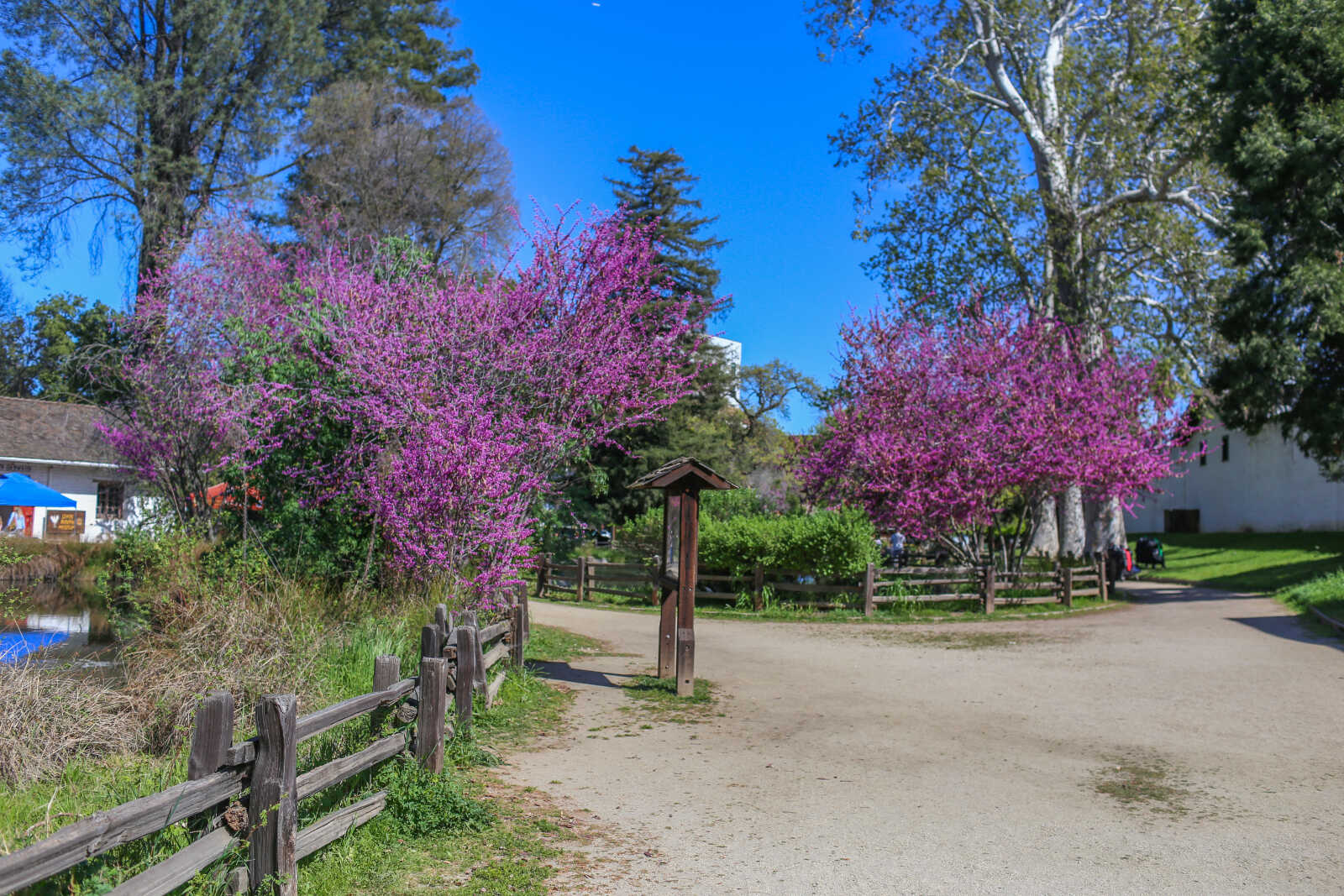
Historic gardens showcase many of the fruits, vegetables, herbs, and crops that helped support the settlement. These areas are especially beautiful during spring and early summer when plants are actively blooming.
Is Fort Sutter Museum Good for Kids?
Absolutely! As parents, we are always looking for attractions that balance education with entertainment, and Fort Sutter Museum does a great job of doing both.
Instead of reading long panels of information, children can actually see:
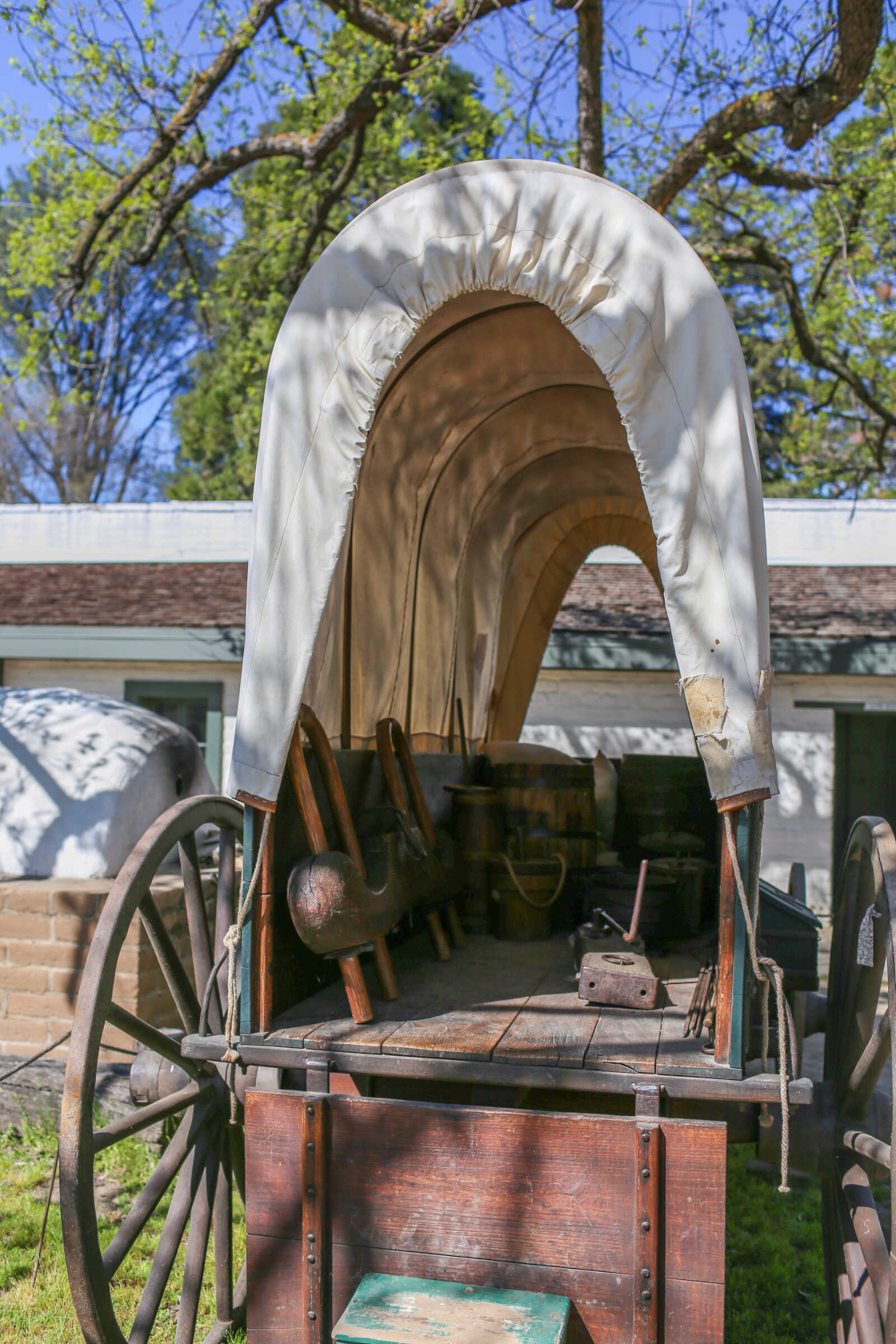
- Historic wagons
- Blacksmith equipment
- Pioneer homes
- Farm tools
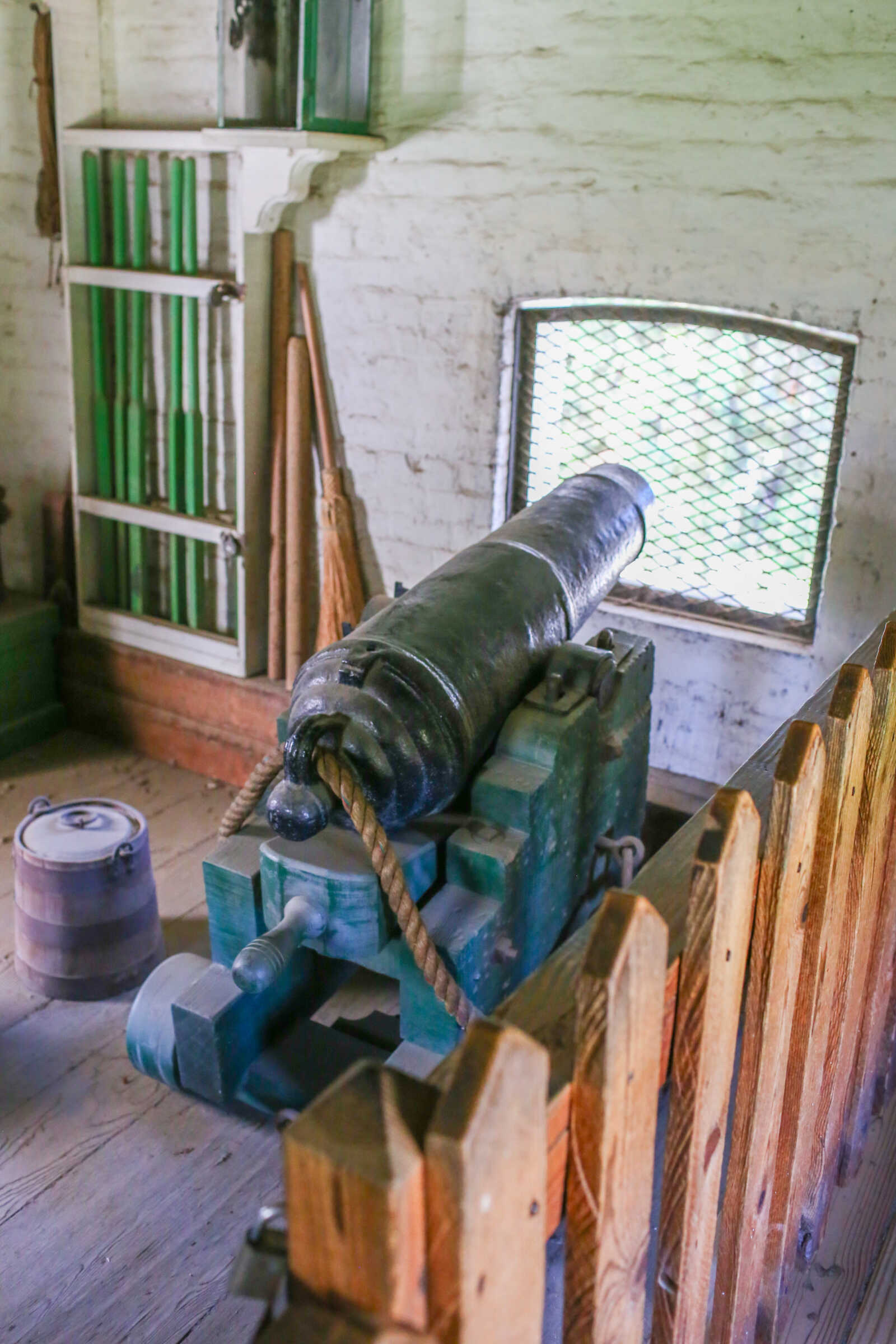
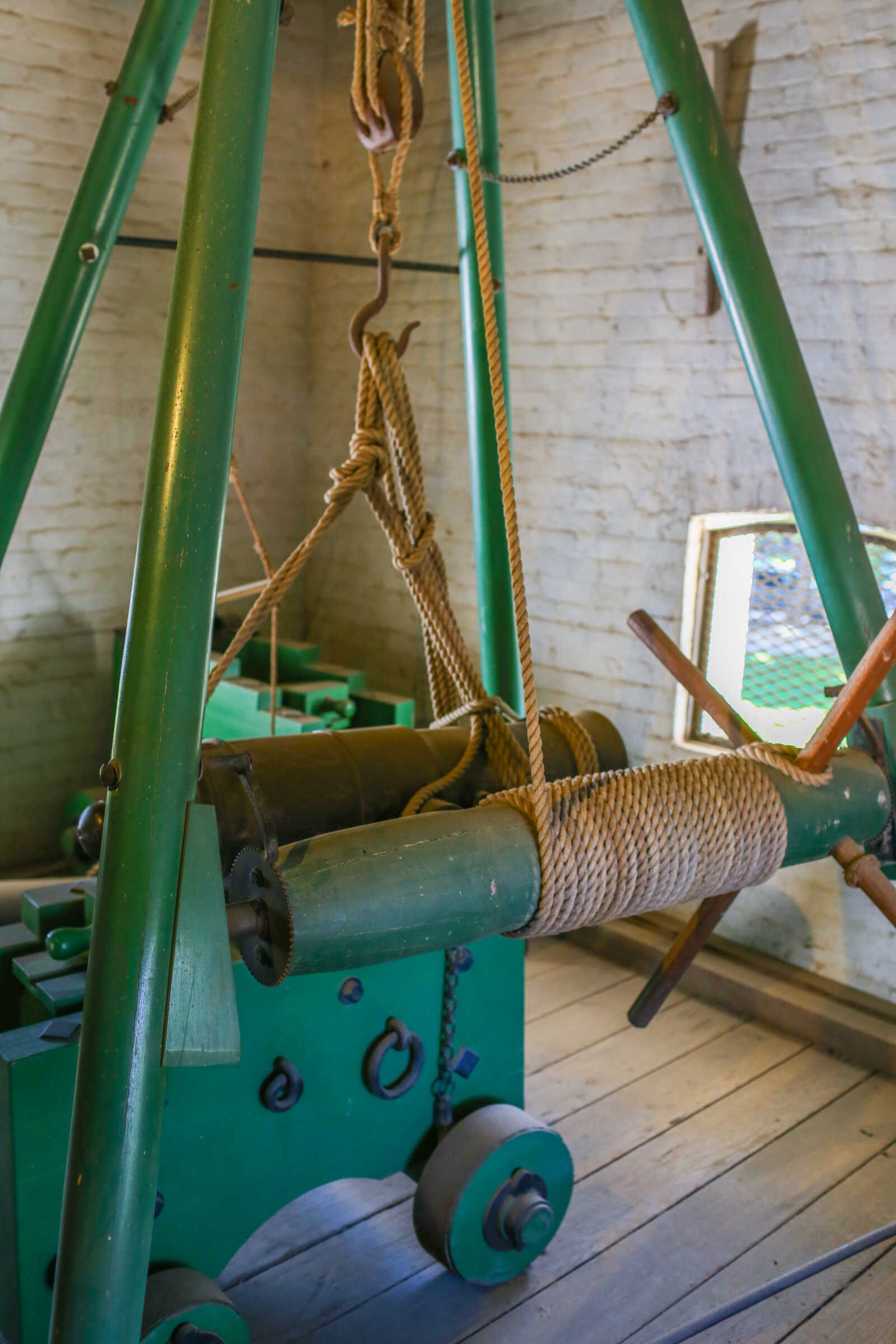
- Cannons
- Gardens
- Workshops
- Animals that occasionally visit during special events
Our kids enjoyed exploring each room and asking questions about how people lived before electricity, cars, and grocery stores.
Educational Opportunities
Fort Sutter Museum is one of the best places in Sacramento for learning about California history. My son’s school is actually walking distance and they have had a handful of field trips to the fort.
Topics covered include:
- Early California settlements
- John Sutter’s colony
- Native Californian history
- Pioneer life
- Agriculture
- The California Gold Rush
- Westward expansion
- Early trade routes
Because visitors physically walk through the fort, these historical events become much easier to understand.
Living History Demonstrations
One thing that makes Fort Sutter Museum stand out is its living history programs. Depending on the day you visit, volunteers and staff may wear period clothing while demonstrating daily activities from the 1840s.
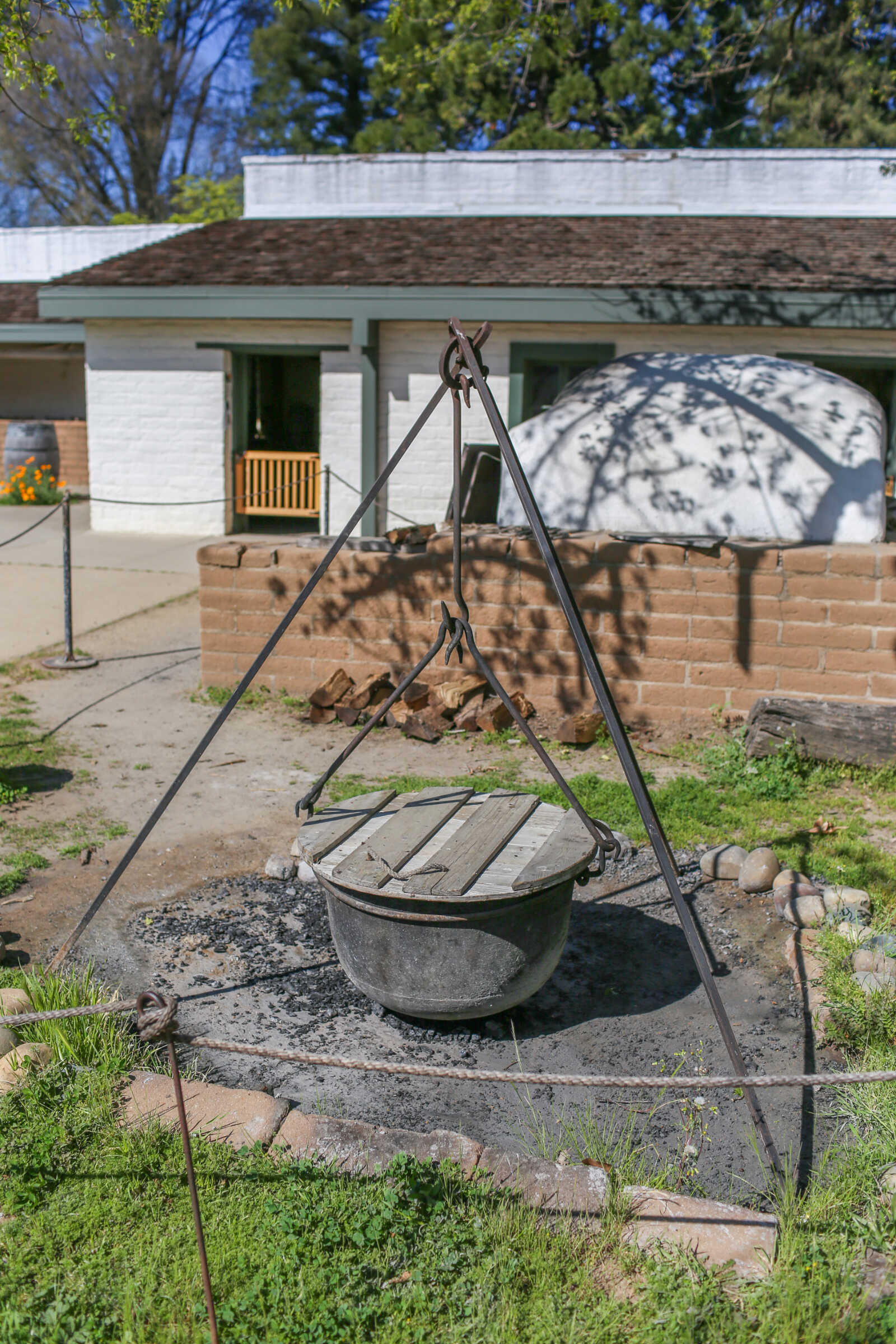
You may see cooking demonstrations, blacksmithing, weaving, woodworking, or other traditional crafts. These demonstrations add personality to the museum and help visitors picture what life actually looked like.
How Long Should You Plan to Visit?
Most families spend between one and two hours exploring Fort Sutter Museum. We took our time walking through every building, reading many of the exhibits, and letting the kids explore at their own pace.
If you enjoy photography or history, you could easily spend even longer.
Best Time to Visit Fort Sutter Museum
Sacramento can become very hot during the summer, so mornings are generally the most comfortable time to visit.
Spring is especially beautiful thanks to blooming flowers and comfortable weather. Fall is another excellent season with cooler temperatures. Winter can also be enjoyable because crowds are often smaller.
If you have flexibility, weekdays usually provide a quieter experience than weekends.
Photography Around the Fort
Fort Sutter Museum offers plenty of photo opportunities, but I will also admit that there are some lighting challenges inside the fort. Many of the rooms are a bit dark with heavy shadows.
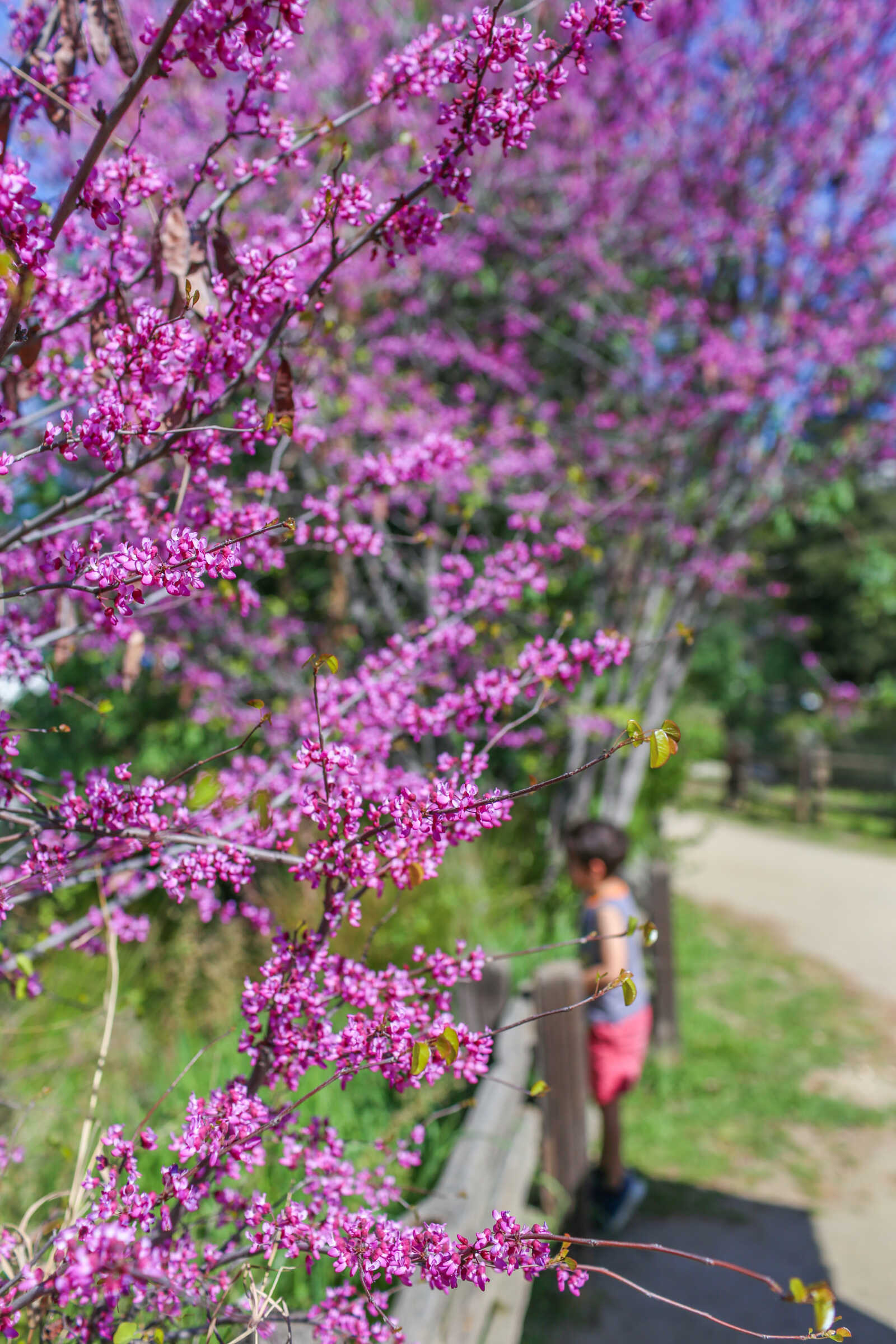
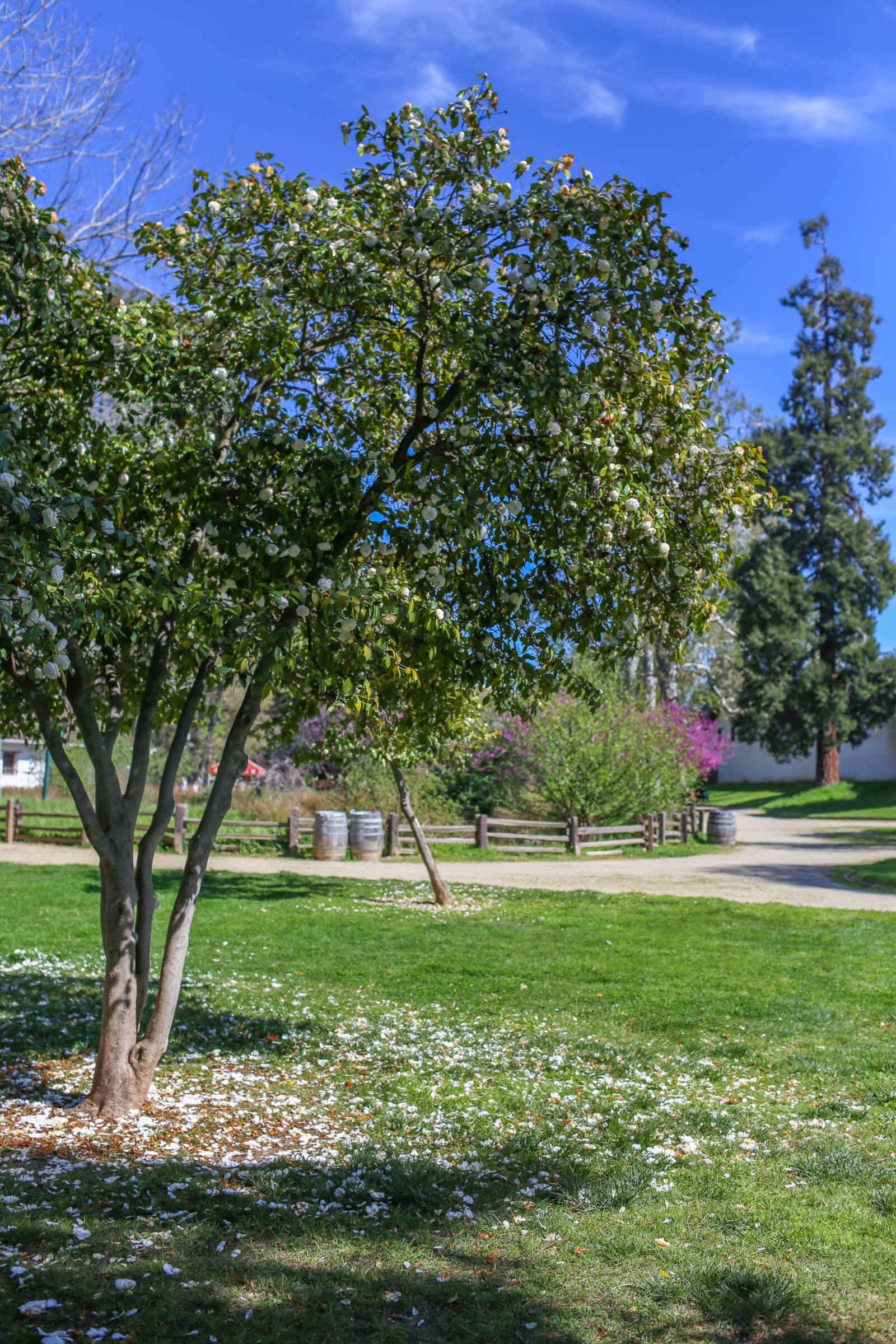
The outside gardens around the fort has some popular spots for family portrait photos, especially when there’s white, pink and purple blossoms blooming.
Some of our favorite spots included:
- The massive wooden entrance gates
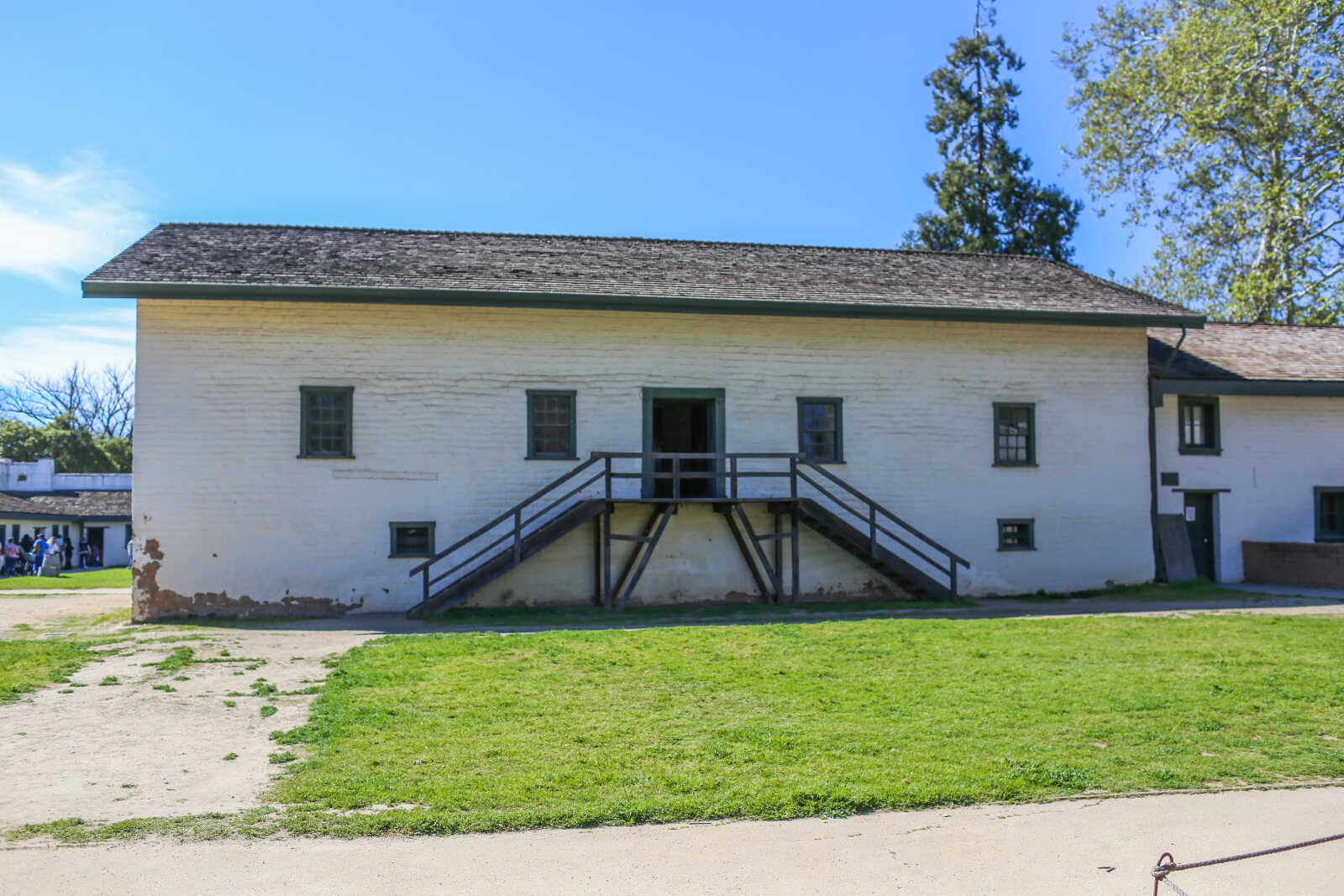
- Adobe walls
- Historic wagons
- The central courtyard
- Rustic wooden buildings
- Gardens
- Historic tools
- The watchtower
The natural textures throughout the fort create beautiful photos without needing elaborate editing.
The Outside Gardens and Duck Pond – The Free Area
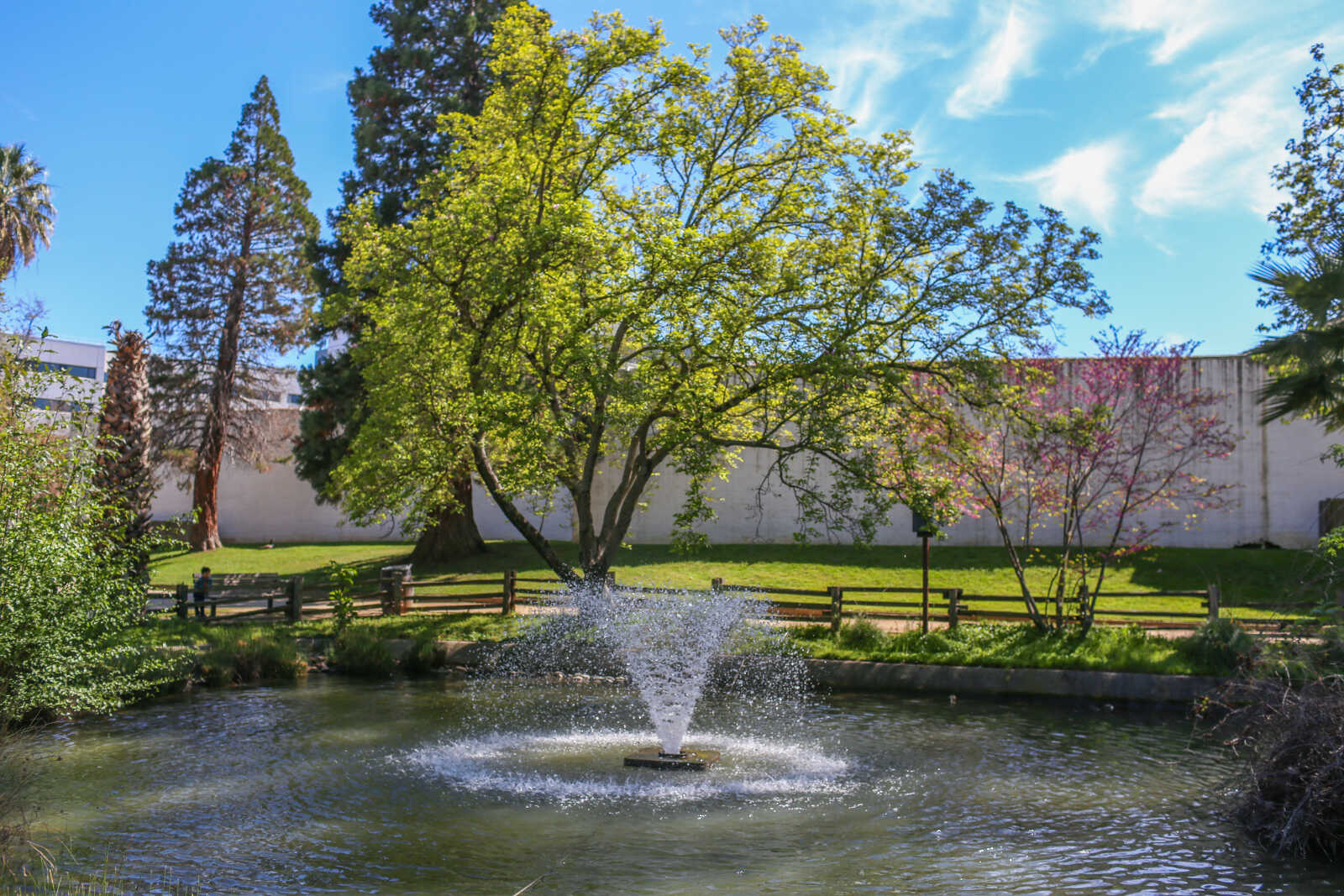
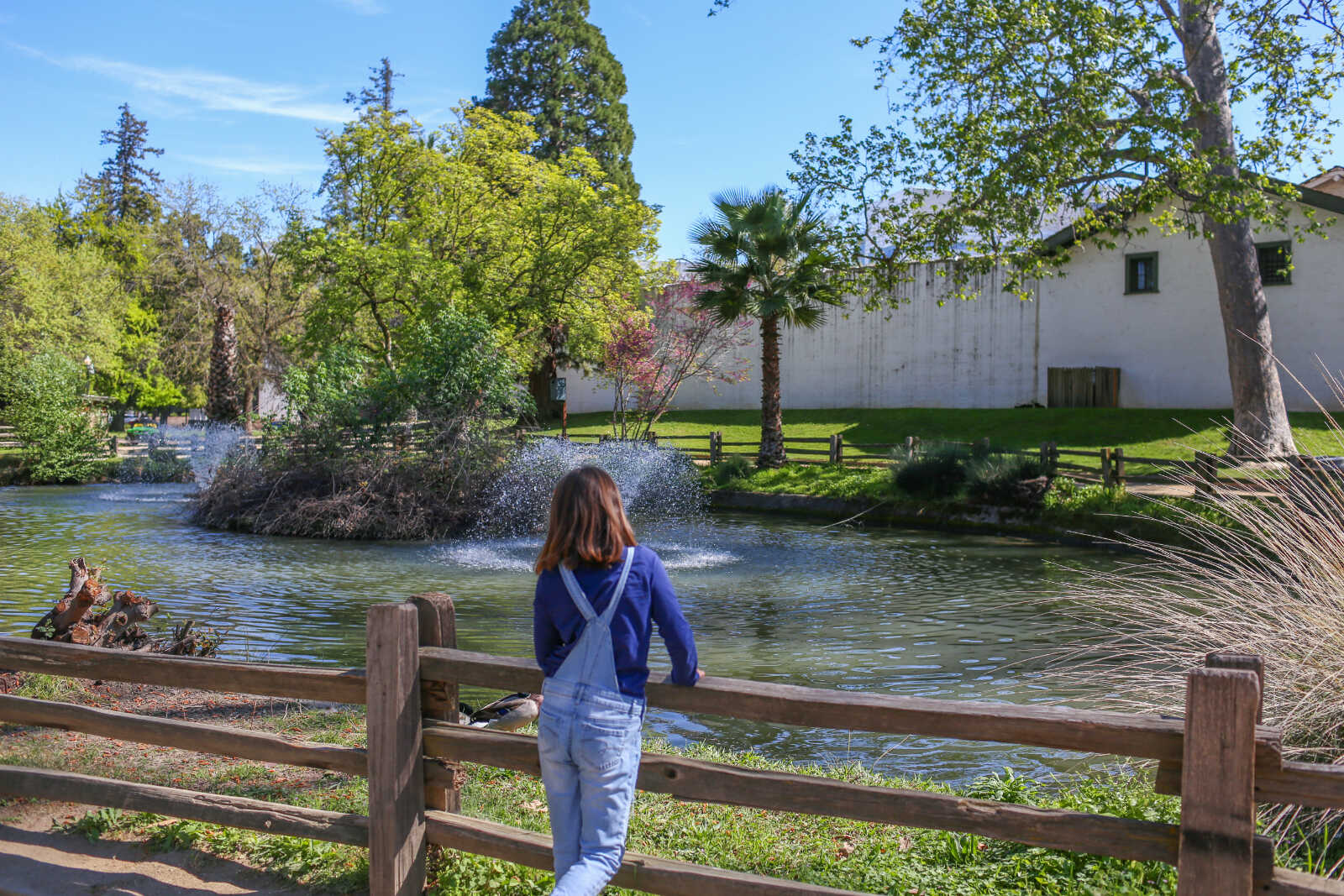
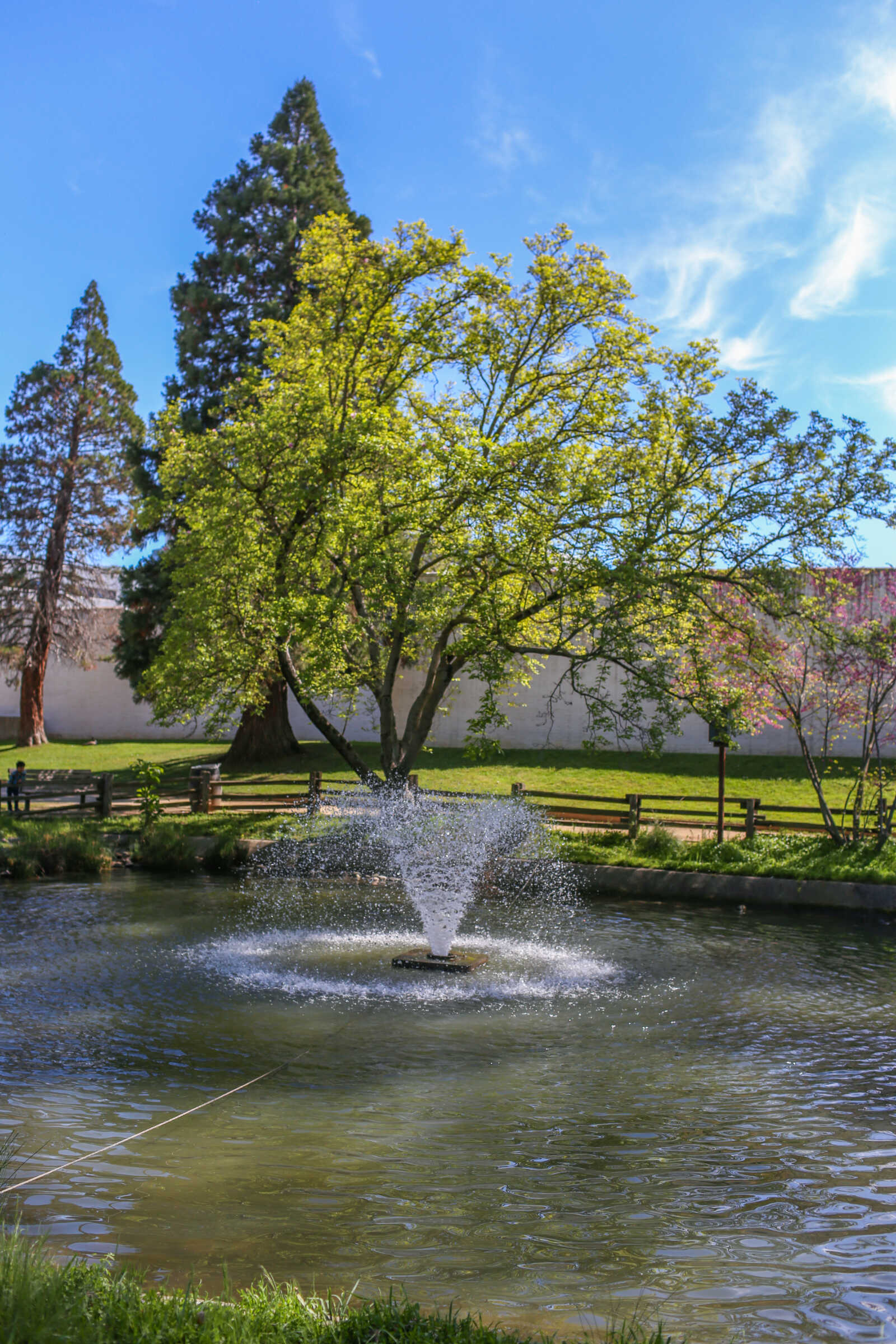
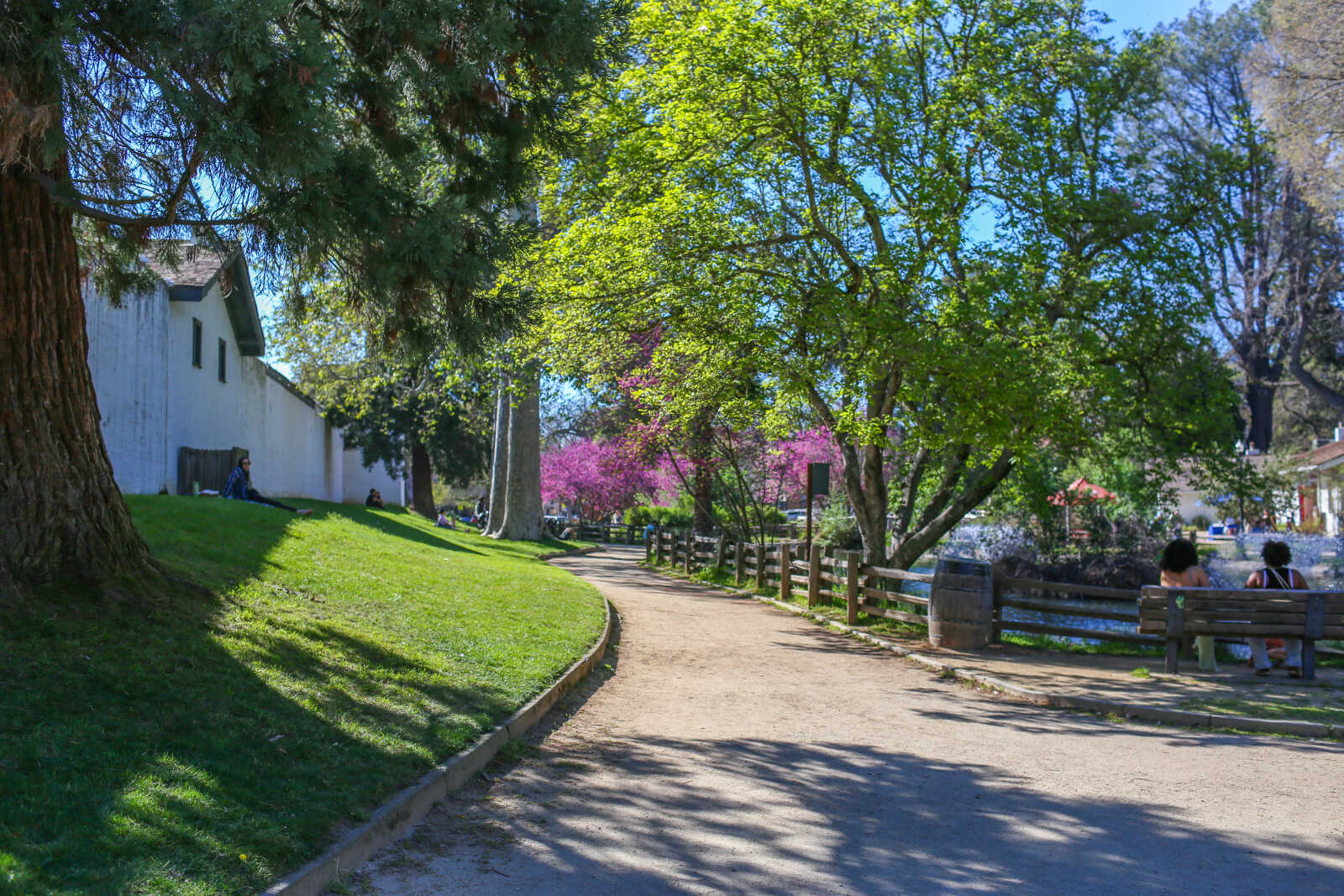
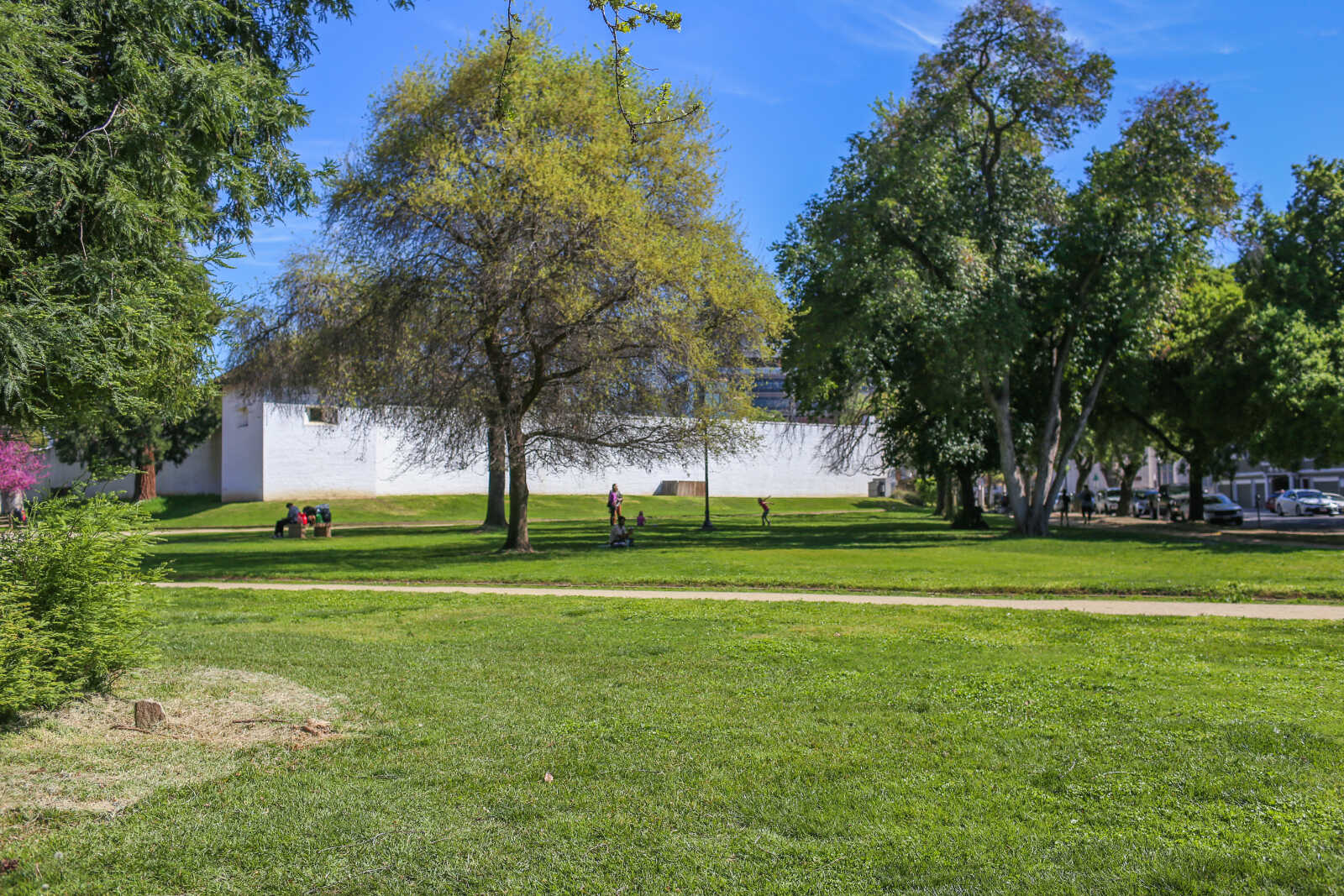
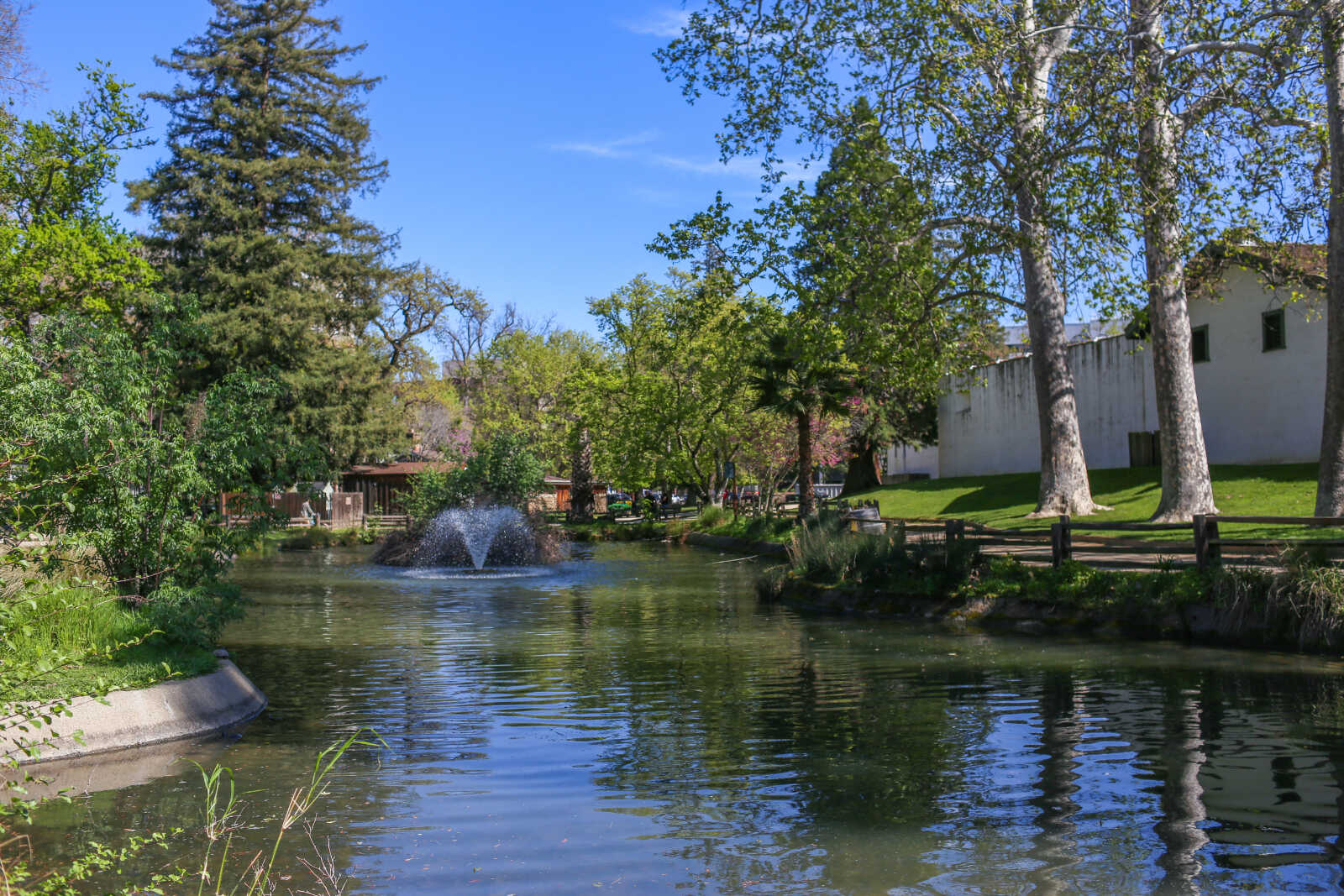
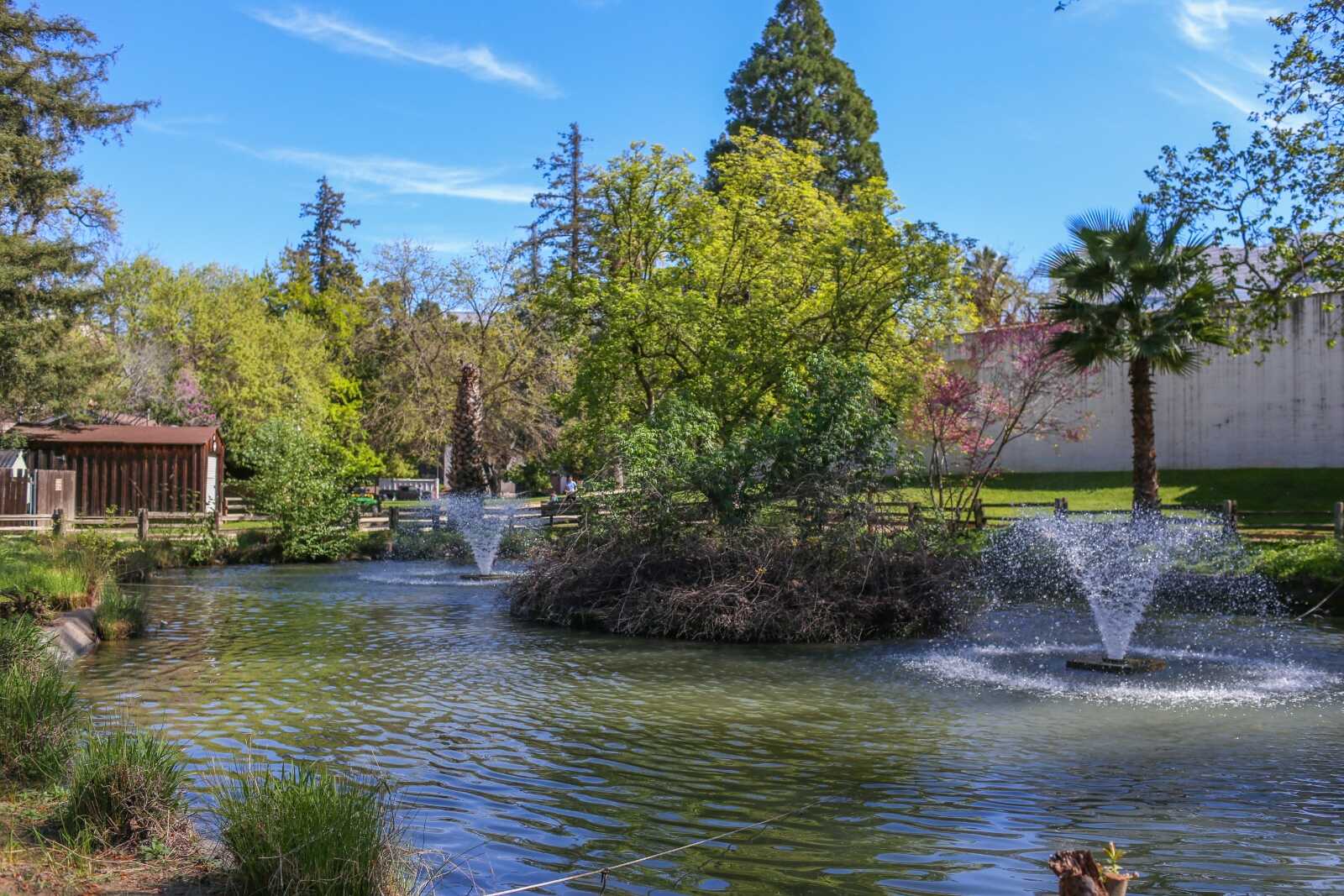
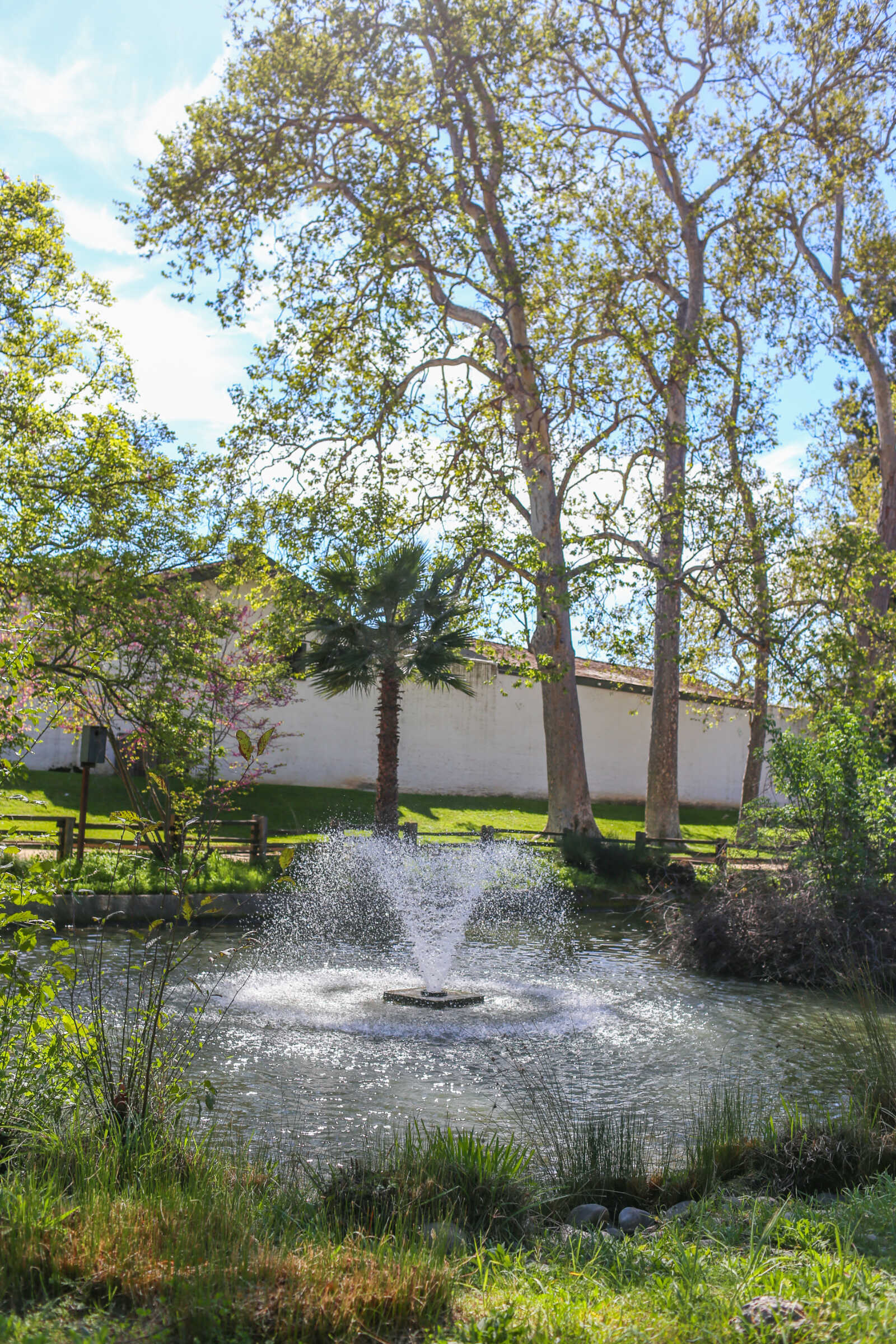
While you do need to pay a fee to go inside the fort itself, there’s actually a large green area outside where you can wander around for free. There’s gardens, open grass fields, benches and walking paths. We’ve visited many times with our kids just to see the duck pond, mostly because my son really loves finding the turtles. It’s a scenic walk and a great spot for a family picnic!
Tips for Visiting Fort Sutter Museum
Here are a few things that helped make our visit smoother.
Wear Comfortable Shoes
Although the museum is not enormous, you will spend most of your visit walking on uneven historic surfaces. Comfortable shoes make exploring much easier.
Bring Water
Sacramento weather can warm up quickly. Having water available helps everyone stay comfortable.
Read the Signs
The exhibit information adds valuable context to everything you see. Older children especially benefit from reading the historical stories posted throughout the fort.
Let Kids Explore
Rather than rushing from building to building, let children spend time noticing small details. Many of the exhibits include fascinating tools and objects that spark curiosity.
Check the Event Calendar
Throughout the year Fort Sutter Museum hosts special events, educational programs, historical reenactments, demonstrations, and seasonal activities that make repeat visits worthwhile.
Accessibility
Most of the museum is outdoors, making it feel open and spacious. Some historic pathways may be uneven because they are designed to resemble original surfaces. Visitors with mobility concerns should review accessibility information before visiting so they can plan accordingly.
Nearby Things to Do
One of the reasons we love visiting Fort Sutter Museum is its location. Several popular Sacramento attractions are only a short drive away.
You can easily combine your visit with:
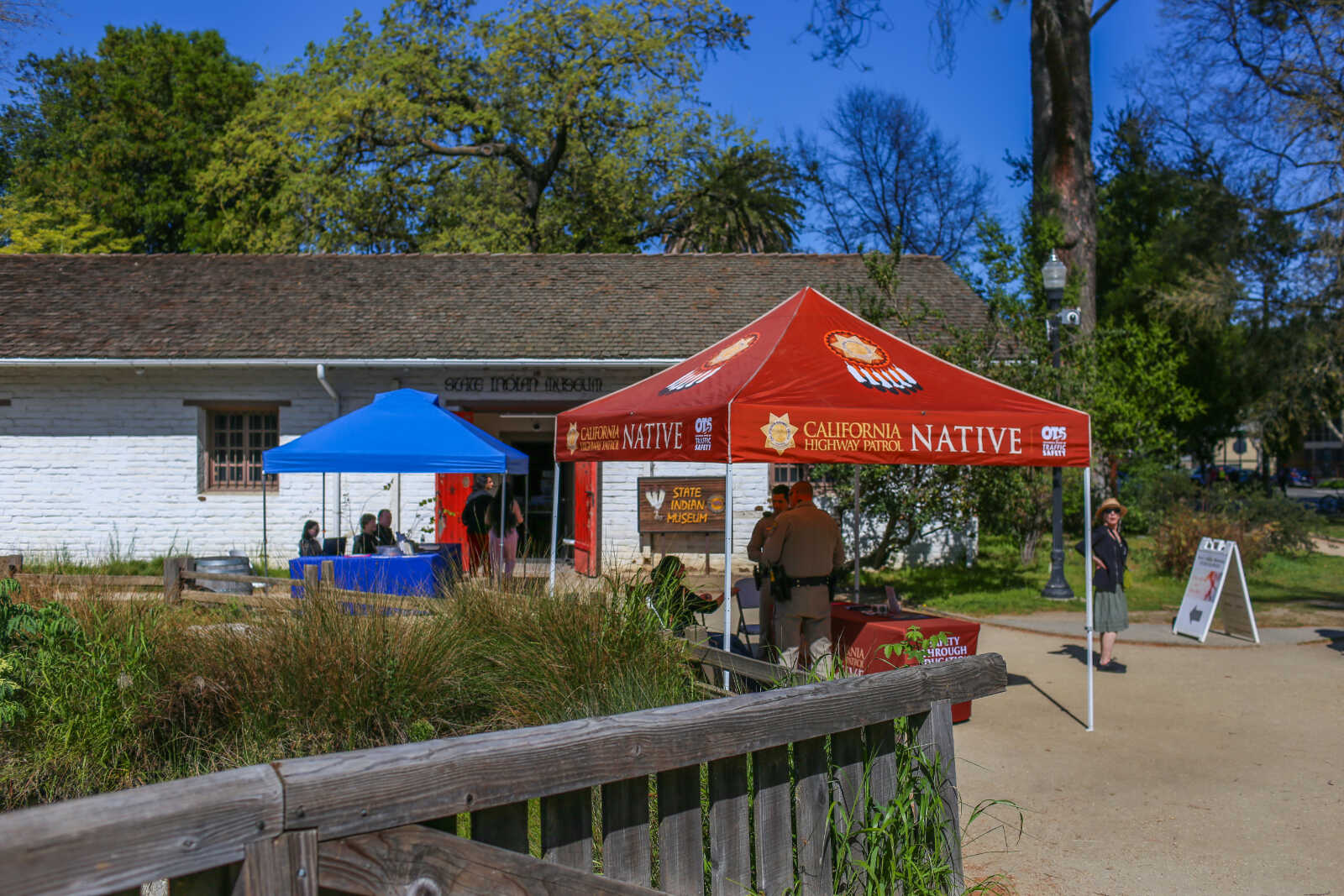
- State Indian Museum State Historic Park (it’s located right next door)
- California State Capitol Museum
- Capitol Park
- Midtown Sacramento restaurants
- Crocker Art Museum
- Old Sacramento Waterfront
- California State Railroad Museum
- DOCO
- Ice Cream at Gunther’s
This makes Fort Sutter Museum an easy addition to a full Sacramento itinerary.
Is Fort Sutter Museum Worth Visiting?
Without question. It took our family a few years to finally make it inside the fort, and it was surprising to see how much was actually inside.
The museum does an excellent job of making California history approachable for visitors of all ages. Instead of feeling like a traditional history lesson, walking through the fort feels like stepping into another time period.
The combination of reconstructed buildings, knowledgeable staff, historic artifacts, demonstrations, and outdoor spaces keeps the experience engaging from beginning to end.
Whether you are introducing kids to California history, entertaining out-of-town guests, or simply looking for one of the best museums in Sacramento, Fort Sutter Museum is well worth adding to your list.
Frequently Asked Questions About Fort Sutter Museum
How much does it cost to visit Fort Sutter Museum?
General admission is charged on most days, although Sacramento’s annual Free Museum Weekend allows visitors to enter participating museums, including Fort Sutter Museum, at no cost. Be sure to check current admission prices before your visit.
Is Fort Sutter Museum suitable for young children?
Yes. Families with young children will find plenty to keep kids interested, including historic buildings, wagons, gardens, demonstrations, and wide open spaces to explore.
How long does it take to tour Fort Sutter Museum?
Most visitors spend about one to two hours exploring the fort, though history enthusiasts may choose to stay longer.
Is parking available?
Street parking is available throughout the surrounding Midtown neighborhood, and there are several parking lots and garages within walking distance.
Can you visit year round?
Yes. Fort Sutter Museum is open throughout most of the year, although hours may vary for holidays, special events, or maintenance. Always check the official website before heading out.
Final Thoughts
Our family’s visit to Fort Sutter Museum during Sacramento’s Free Museum Weekend reminded us that some of the city’s best attractions are the ones closest to home. Spending the morning wandering through historic buildings, watching traditional craftsmanship, and learning about the people who shaped early California made for a memorable family outing.
If you are searching for one of the best museums in Sacramento, a family friendly history experience, or an easy educational stop during your visit to the city, Fort Sutter Museum is absolutely worth your time.