
Considering a Career Change? The Road to Clinical Social Work in California
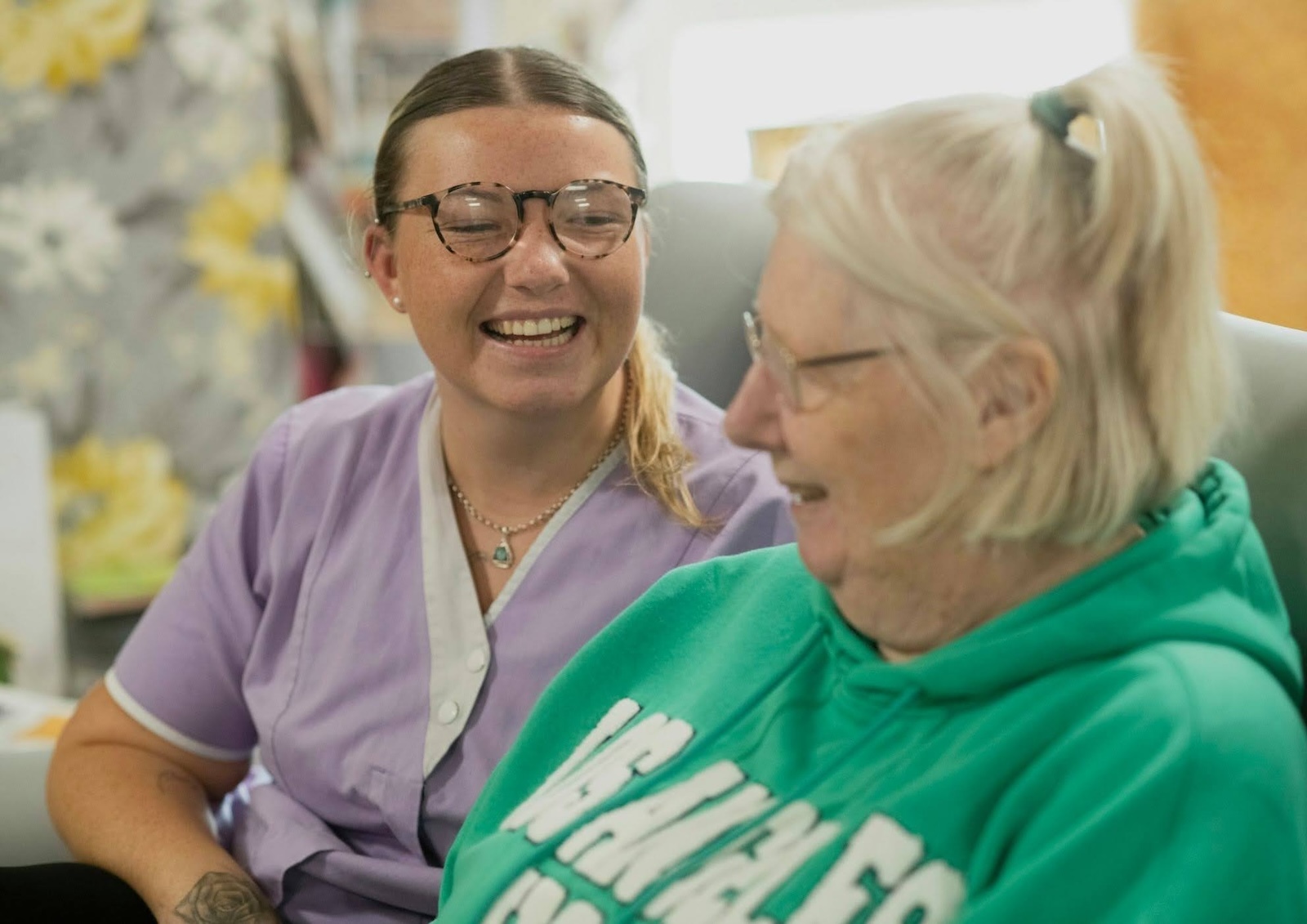
Choosing a career at 18 is quite different from choosing one at 40. By then, you have a much better understanding of yourself and what you want from your working life. For Sacramento residents interested in helping people through difficult personal circumstances, clinical social work is a profession worth exploring.
One of the interesting things about spending ten or fifteen years in a profession is discovering which parts of the job you actually enjoy. Someone working in human resources might get more satisfaction from helping an employee through a difficult divorce than from managing the company’s recruitment process. That interest in people’s lives is a perfectly good reason to consider a career in social work, and having a degree in a different discipline needn’t stand in the way of pursuing it.
A New Career With Your Existing Degree
There’s a graduate social work program available specifically to California residents, and the admission requirements accommodate people coming from other professions. The traditional pathway to an MSW degree accepts applicants with a bachelor’s degree from a regionally accredited institution, regardless of their previous field of study.
The program requires 55 credits and can be completed in either 16 or 24 months, depending on the study schedule you choose. There are three intakes each year, giving prospective students some flexibility when deciding when to return to university.
There is also an advanced standing program for people who have obtained an accredited Bachelor of Social Work within the past five years. This pathway requires 32 credits and offers completion schedules of 12 or 20 months.
Students entering through either pathway have a choice between two clinical specializations, depending on the kind of social work they would eventually like to undertake.
Choosing an Area of Clinical Social Work
Imagine an elderly Sacramento resident who has spent two weeks in the hospital and is about to return home. Her daughter lives in Southern California and is concerned about her mother’s ability to manage on her own. A healthcare social worker could help the family assess the situation and arrange appropriate support following discharge.
The healthcare specialization prepares students for this kind of work, with professional opportunities extending into areas such as hospice and palliative care. Coursework in clinical interventions helps students develop appropriate approaches to supporting patients and their families.
The behavioral health specialization takes students into a different area of clinical practice. Perhaps you’re particularly interested in working with people recovering from substance use disorders. Part of that work could involve helping someone understand the circumstances that contribute to their substance use and developing strategies to manage them.
One of the courses covers the Diagnostic and Statistical Manual of Mental Disorders (DSM), giving students a grounding in psychiatric assessment. Understanding a client’s mental health condition is particularly useful when developing an appropriate treatment plan.
Preparing for a New Profession While Working
Before committing to a career change, it’s worth spending some time talking to people working in the profession. Local networking events such as the HER Women’s Conference in Folsom provide opportunities to meet people working in healthcare and nonprofit organizations.
Returning to university as an established adult takes some planning, particularly when you have a family. The academic coursework is delivered online, and neither degree pathway requires campus visits.
There is, however, a substantial practical component. Students on the traditional pathway complete 1,104 hours of supervised fieldwork, whereas advanced standing students complete 744 hours. The university assists with arranging suitable placements within California communities.
During specialized field placements, students spend three days a week working in a professional setting for 15 weeks. It’s worth considering those commitments when choosing your study schedule, particularly if you intend to remain employed throughout your master’s degree.
From Graduation to Clinical Practice in California
Graduating with a master’s degree in social work is the first major milestone for someone pursuing a career as a licensed clinical social worker. The next stage involves registering as an Associate Clinical Social Worker and gaining professional experience under supervision.
California requires prospective licensed clinical social workers to complete 3,000 hours of supervised experience over a minimum of 104 weeks. Candidates must also pass the California Law and Ethics Examination and the ASWB Clinical Examination as part of the licensing process.
Consider the value of having an experienced social worker available to discuss your cases during those first years of professional practice. Perhaps you’re working with a client who has experienced a bereavement and you’re uncertain about the best therapeutic approach. Having a clinical supervisor with years of experience gives you someone with whom to discuss your professional decisions.
Changing careers after a decade or two in another profession can be a big undertaking. For someone living in Sacramento who has always enjoyed working with people, there’s something appealing about being able to obtain a new professional qualification and put it to use in the community they already call home.